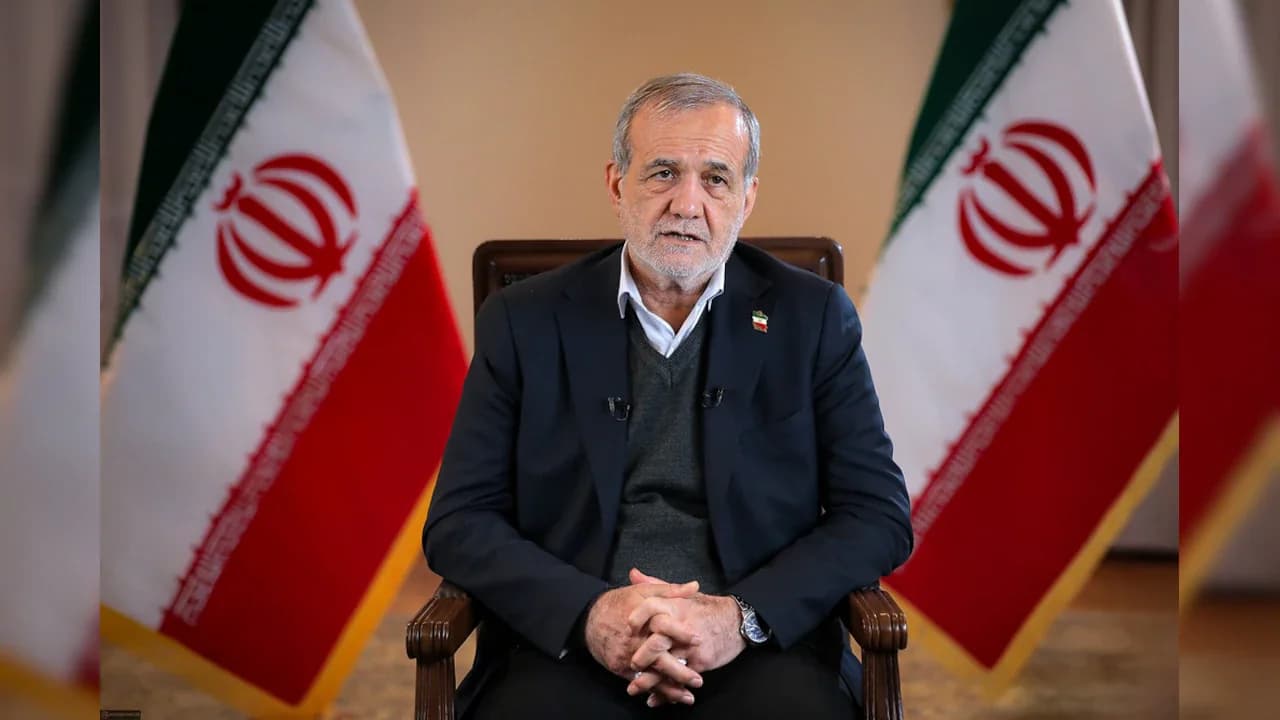
Iran's Supreme National Security Council Secretary Mohsen Rezaei has categorically dismissed allegations that Tehran plotted to assassinate US President Donald Trump's youngest son as 'a lie'. According to reports from Reuters, Rezaei made this denial during a televised interview on Lebanon's Al Manar TV, calling the report a 'lie'. The denial came after an Iranian state television video aired this week discussed a possible plot to assassinate Barron Trump, 20, claiming he was being monitored and alleging that a $10 million bounty had been placed on his life. A Reuters report on Tuesday cited US Secret Service spokesperson Nate Herring as saying the agency was aware of the video and investigates anything that could be perceived as a threat against people under its protection. This denial follows Iran's earlier rejection of US Department of Justice allegations of a separate plot to assassinate Trump before he took office, with the Foreign Ministry calling those allegations 'completely baseless' and part of what it termed a 'malicious conspiracy' against Iran.
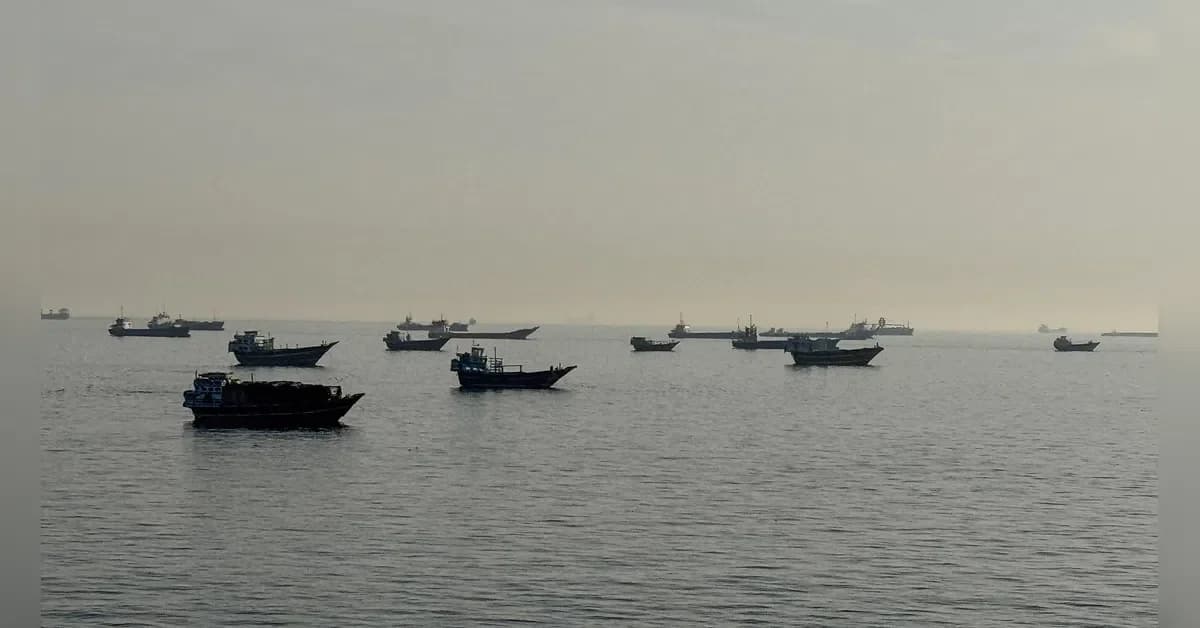
During the same interview, Rezaei addressed developments surrounding the Strait of Hormuz, a crucial international shipping route that has been at the centre of the standoff between Iran and the United States since the outbreak of the wider conflict in February. As reported by Reuters, international mediators had asked Tehran to outline its conditions for reopening the strategically important waterway. According to Rezaei, Iran was preparing a list of conditions, with an end to the broader military conflict in the region among the key demands. He stated that the issue of the Strait of Hormuz was tied to ending the wider regional war, including conflicts in Lebanon and Gaza. His comments came as tensions between Iran and the United States remained high amid the wider regional conflict, with the situation remaining tense and the US Secret Service continuing to monitor developments closely.

Rezaei further revealed that Iran had reached an agreement with Oman to establish a designated shipping corridor through the Strait of Hormuz. According to his account reported by Reuters, the proposed route would pass through both Iranian and Omani waters, allowing vessels to transit through a central channel. He indicated that the arrangement would depend on the United States meeting Iran's conditions, highlighting the diplomatic nature of the proposed solution. A senior source confirmed on Wednesday that Iran and Oman were still finalising details of the agreement after Iran's Revolutionary Guards said the two countries had agreed on how to share control of the strait and its revenues. The Guards spokesperson has stated that Iran will not allow the strait to reopen unless Washington lifts what Tehran describes as a blockade of Iranian ports, pays compensation, and removes sanctions. An agreement with Oman on a shipping corridor is being finalized, with potential implications for regional stability.
The Strait of Hormuz represents a critical chokepoint for global energy shipments, carrying roughly one-fifth of global oil and liquefied natural gas shipments before the war began. As reported by Reuters, traffic through the waterway has largely halted since the conflict's outbreak. Ceasefire agreements announced by Washington and Tehran in April and June had been intended to restore maritime traffic through the strait, but neither held. The proposed shipping corridor arrangement would provide a practical solution to ongoing tensions while maintaining the strategic importance of the waterway for global commerce. The Iranian government has not provided further details on the alleged plot, and the report's veracity remains in question, adding complexity to the already tense regional situation.