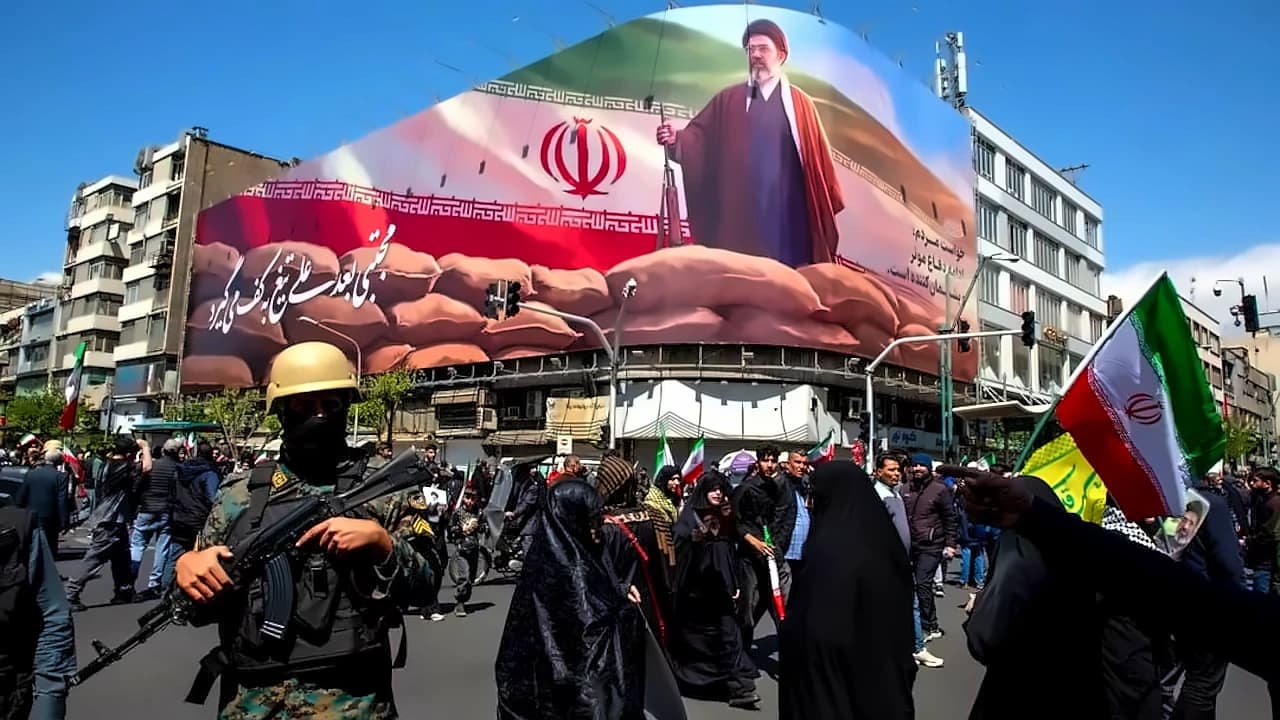
Iran has confirmed the state funeral of late Supreme Leader Ali Khamenei will take place in late June or early July 2026, with Tehran Mayor Alireza Zakani announcing the finalized timeline. The three-day funeral event would be held after the first ten days of Muharram — the opening month of the Islamic calendar — a period of mourning that commemorates Imam Hussein, one of the most revered figures in Shia Islam. The ceremony is now expected to take place between June 26 and July 5, representing a significant delay from the original March 4 schedule. Deputy Tehran Mayor Mohammad Amin Tavakolizadeh has confirmed that ceremonies would be held not only in the capital but also in the holy cities of Qom and Mashhad, where Khamenei is expected to be buried.
Iranian authorities are planning for what could be one of the largest public gatherings in the country's history, with expectations of up to 20 million people attending funeral events across multiple cities. Tehran Deputy Mayor Mohammad Amin Tavakoli-Zadeh laid out funeral logistics in early June, signaling that the planning apparatus has shifted from contingency mode to active preparation. The funeral would rival the turnout for Ayatollah Khomeini's funeral in 1989, making it potentially the largest state funeral in Iranian history. Iranian officials are planning a three-day public ceremony with processions in Tehran, Qom, and Mashhad, with events in Tehran alone expected to last at least 24 hours.
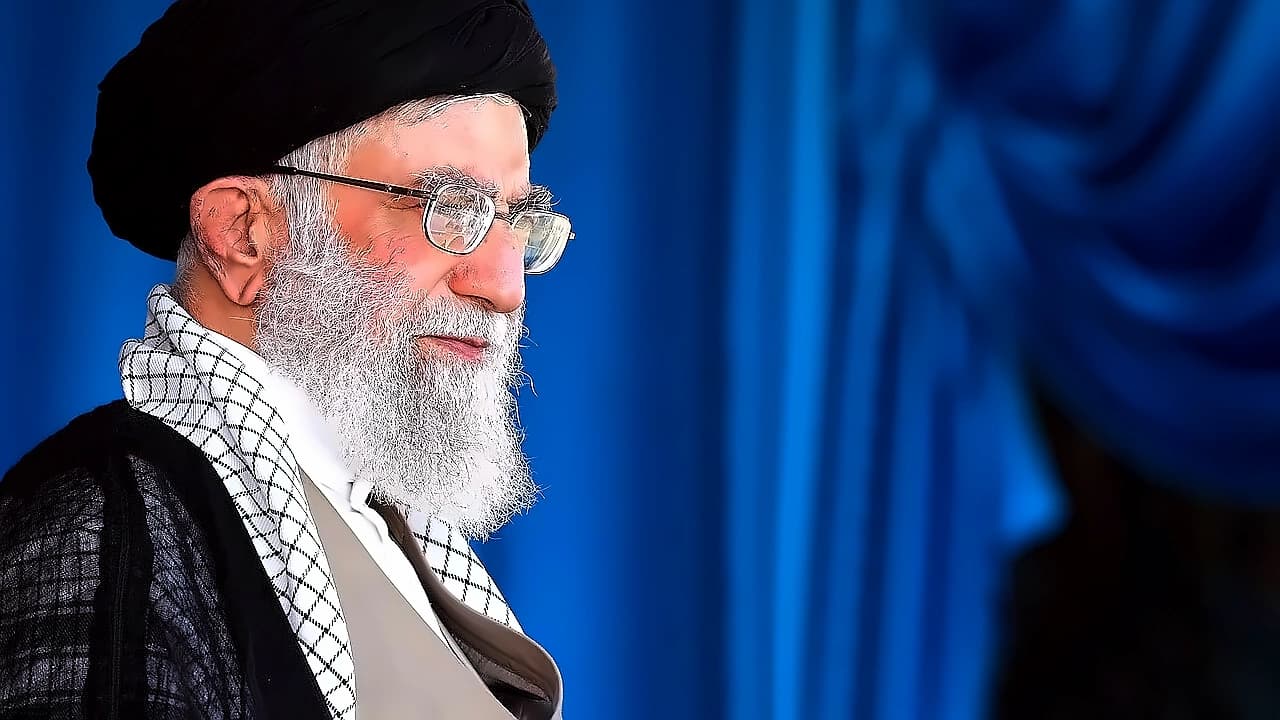
Khamenei, who led the Islamic Republic for nearly 37 years, was killed at his residence in central Tehran on February 28, 2026 during US-Israeli strikes on the opening day of the Middle East war. As reported by multiple sources, a state funeral had originally been scheduled for March 4 but was postponed as the conflict escalated. Iranian authorities had subsequently indicated the funeral would be held in early Muharram, a timeline that has now also slipped due to ongoing religious observances. The delay is intended to allow those religious observances to conclude before the state funeral begins, maintaining the proper ceremonial protocols for the Islamic calendar. This would mean Khamenei's funeral would take place in the second 10 days of Muharram, allowing the faithful to complete their annual mourning of the Imam Hussein, the revered early Shia leader who was slain at the battle of Karbala in 680 CE.
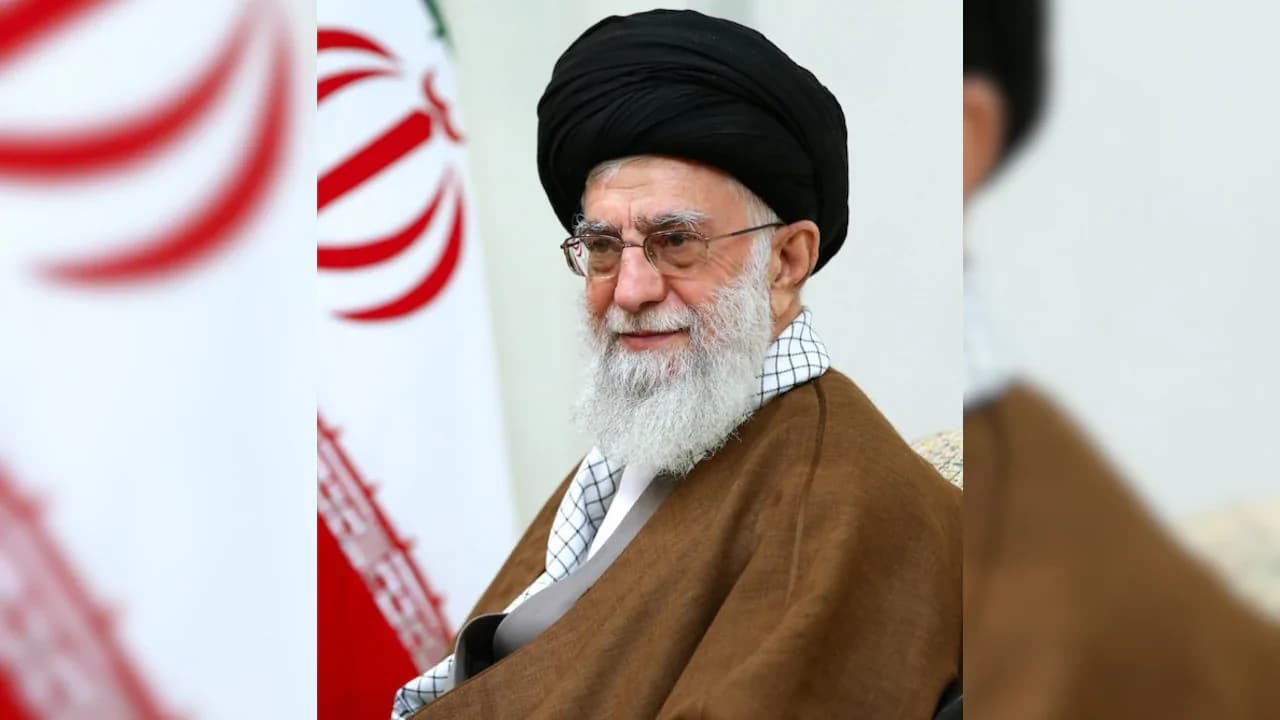
The repeated delays have coincided with ongoing conflict, active nuclear negotiations with the United States, and a significant transition in Iran's political leadership — suggesting the funeral's timing carries weight beyond religious scheduling. Khamenei was 86 at the time of his death and had served as Supreme Leader since 1989, making his tenure one of the longest continuous leadership periods in the modern Middle East. The extended period reflects the complex political dynamics surrounding Iran's leadership transition, with Iranian authorities preparing for what could be one of the largest public gatherings in the country's history. The funeral's timing also coincides with ongoing scrutiny of Iran's crypto exchanges, including Nobitex, one of the largest domestic platforms, which have been identified in sanctions evasion efforts, with the US Treasury maintaining close watch on these operations amid the broader war conditions.