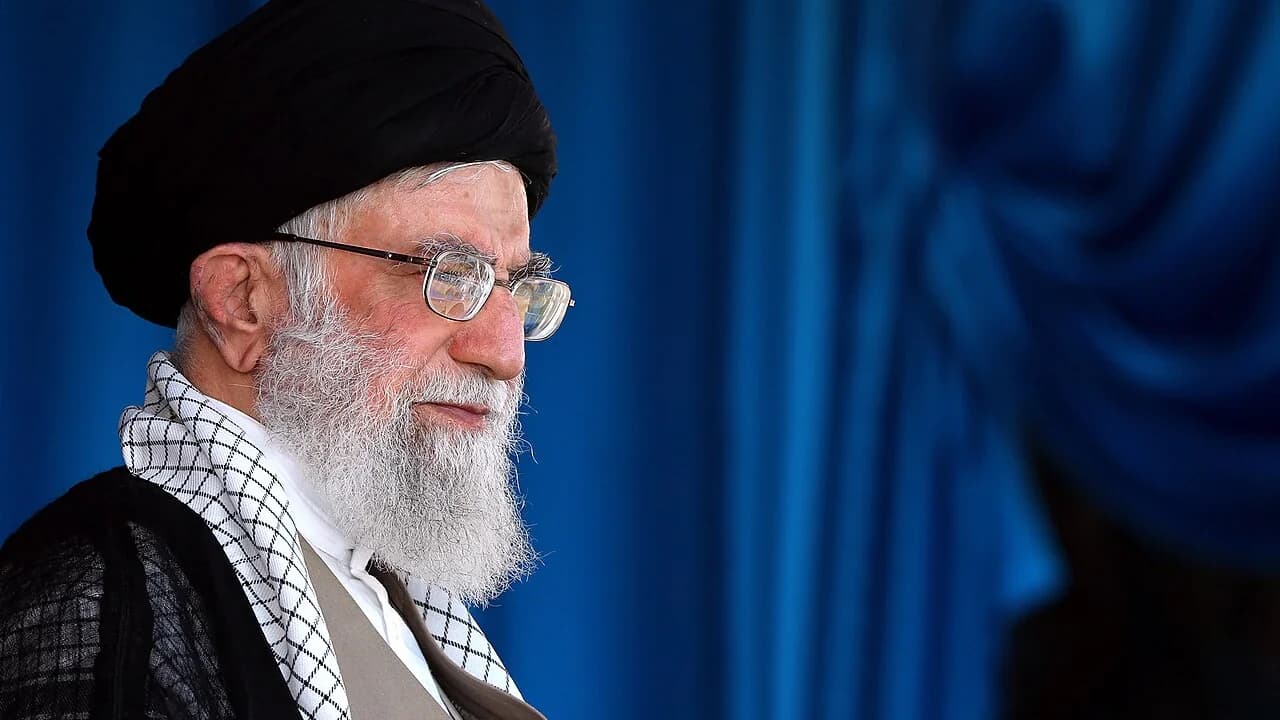
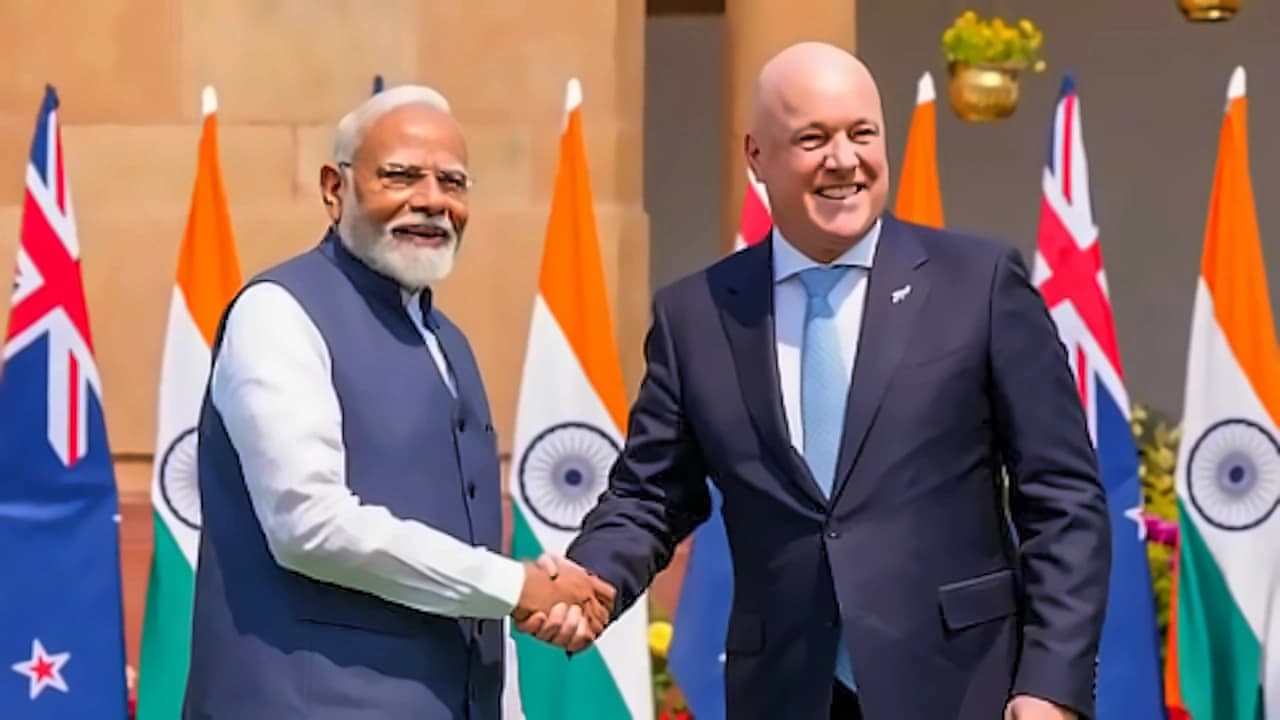
Prime Minister Narendra Modi is expected to miss the funeral ceremonies of Iran's Supreme Leader Ayatollah Ali Khamenei due to a scheduled visit to Australia, New Zealand and Indonesia from July 6 to 11, according to Business Standard sources. Despite receiving a formal invitation from Iranian President Masoud Pezeshkian, PM Modi will be unable to travel to Tehran during this period. The government has decided to depute either a Union minister or India's ambassador to Tehran to represent the country at the funeral, as reported by Business Standard.
Iranian President Masoud Pezeshkian has formally invited Prime Minister Narendra Modi to attend the multi-city state funeral for Supreme Leader Ayatollah Ali Khamenei, according to India Today TV sources. The formal invite was sent to the Ministry of External Affairs (MEA) on Tuesday by the Iranian Embassy in New Delhi, with the embassy receiving the invitation two days prior. PM Modi is among a host of world leaders who have received formal invitations on behalf of President Pezeshkian, including those from China, Russia, Qatar, France, and Pakistan. On Friday, Pakistan Prime Minister Shehbaz Sharif had announced that a Pakistani delegation would attend Khamenei's funeral, highlighting the global significance of these ceremonies. Following Khamenei's death on February 28, 2026, India's Foreign Secretary Vikram Misri visited the Iranian Embassy in New Delhi to sign the condolence book on behalf of the Indian government, as reported by WION.
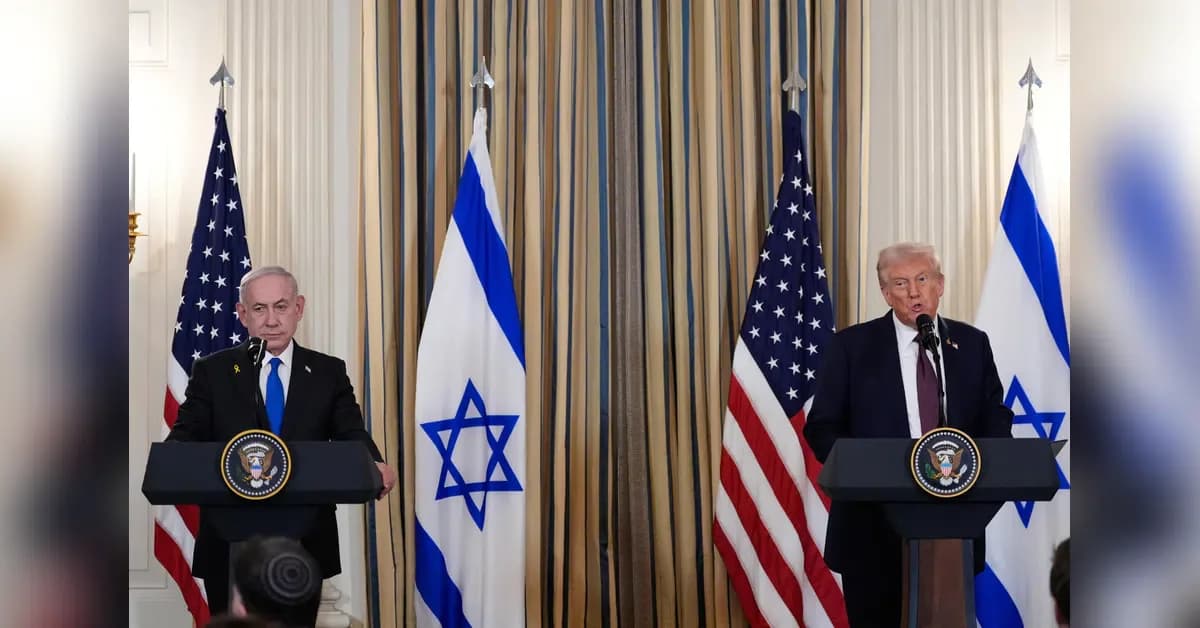
Iran's Supreme Leader, Ayatollah Ali Khamenei, was killed in a joint US-Israeli airstrike on his official compound in Tehran on February 28, 2026, the first day of Israeli and US airstrikes on Tehran. State-run media confirmed his death on that date. Following his assassination, his son, Ayatollah Mojtaba Khamenei, was selected as his successor and has been serving as Supreme Leader since March 8, 2026. Khamenei, 86, was killed in a joint US-Israeli airstrike on his compound in February, with his burial initially scheduled for March 2026 but postponed as the war dragged on. The funeral ceremonies are now scheduled for July 4 to July 9, 2026, with his body lying in state at Tehran's Grand Mosalla complex on July 4 and 5, allowing the public to pay their respects. The ceremonies, long delayed by the conflict, will begin on July 4 with the body lying in state at Tehran's Grand Mosalla complex, followed by public processions in Tehran and Qom, prayers in Iraq's holy cities of Najaf and Karbala, before concluding with Khamenei's burial on July 9 at the Imam Reza shrine in Mashhad, his birthplace and one of Shia Islam's holiest cities.
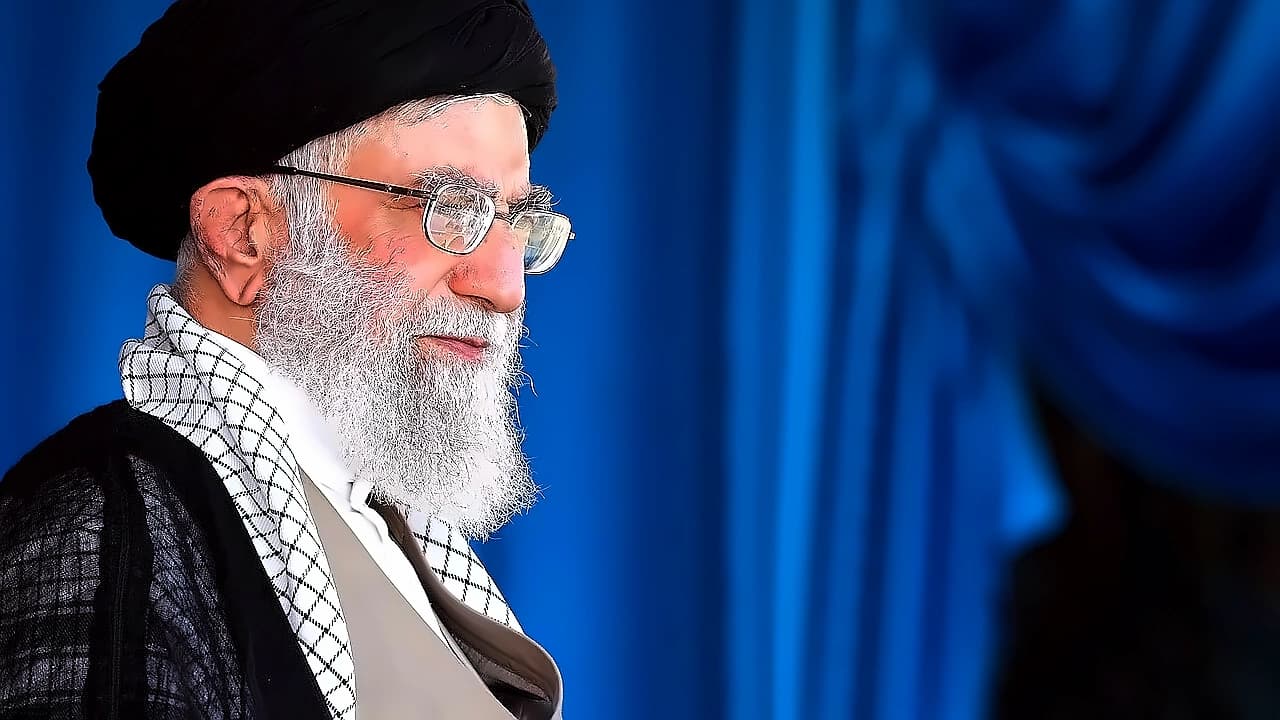
According to India Today TV reports, Khamenei's body will lie in state at Tehran's Grand Mosalla complex on July 4 and 5, allowing the public to pay their respects. IRGC commander Hassan Hassanzadeh, who is overseeing the ceremonies, confirmed that the farewell ceremony and prayers for the martyred leader's body will be held on Saturday and Sunday, July 4th and 5th, in Tehran's Grand Mosalla. The funeral procession is scheduled for July 6, with Tehran province set to observe public holidays during the ceremonies. The ceremonies will include additional ceremonies in Qom on July 7, another holy city in the south of Tehran. The ceremonies will conclude with Khamenei's burial in his hometown, Mashhad, on July 9, his birthplace and one of Shia Islam's holiest cities. Authorities anticipate millions of mourners for these historic ceremonies that mark the formal farewell to a leader who shaped Iran for nearly four decades.
The move comes amid renewed diplomatic engagement between Tehran and New Delhi following the Israel-Iran ceasefire agreement. According to reports, this diplomatic outreach represents Iran's efforts to strengthen relationships with regional partners as it navigates the aftermath of the recent conflict. Sources in New Delhi said that India is yet to decide on its representation for the state funeral programme. In 2024, after the deaths of Iranian President Ebrahim Raisi and Foreign Minister Hossein Amir-Abdollahian in a helicopter crash, then Vice-President Jagdeep Dhankhar had visited Tehran to represent India. He led the Indian delegation at the official memorial and condolence ceremony, along with senior MEA officials, while India had declared a one-day state mourning on May 21, 2024 and formally condoled Khamenei's death on March 5, 2026. During the fragile ceasefire, Iran's Foreign Minister Abbas Araghchi has also visited New Delhi to attend the BRICS Foreign Ministers' meeting, holding bilateral talks with his Indian counterpart S Jaishankar and meeting PM Modi as well.
PM Modi's last official bilateral visit to Iran was in May 2016, when he met Khamenei and then President Hassan Rouhani to sign a trilateral agreement to develop Chabahar Port. Two years later, in February 2018, President Rouhani travelled to India at the invitation of PM Modi and visited New Delhi and Hyderabad. Modi and Pezeshkian had last met on the sidelines of the BRICS Summit in Kazan, Russia, in October 2024, during which PM Modi had invited Pezeshkian to visit India. The current invitation to India's Prime Minister highlights the strategic importance Iran places on maintaining positive relations with New Delhi in the current geopolitical environment. India sees Iran as part of its extended neighbourhood, a country with which it has civilizational ties, with Prime Minister Narendra Modi and External Affairs Minister S Jaishankar engaging in multiple rounds of talks with Iranian counterparts during the 40-day conflict in West Asia.