Iran's Central Bank reported that year-on-year inflation reached 77.2% in May, marking the highest level since World War II. According to reports from Associated Press, this represents the first official acknowledgment of what Iranians have been experiencing in their daily lives - from shopping to paying for transportation and medical services. The consumer price index, which measures a basket of goods and services, showed an 8.5% increase from April alone, highlighting the accelerating economic deterioration in the Islamic Republic. The Central Bank's report came as Iran faces economic pressure from the war with Israel and the United States restarting, with the rial currency battered by the conflict and uncertainty around its resumption.
Inflation in daily and general needs, including medicine, taxi fares, tobacco and communication fees, rose 113.8% from the previous year. According to Associated Press, this dramatic increase affects essential services that Iranians rely on daily. The Bamdad Institute of Economic Studies described the current figures as an 'unprecedented rate since World War II,' though Iran's Central Bank did not acknowledge the significance of these figures in their official report. The private economic think tank noted that the current inflation levels are comparable only to 1942 during World War II, when the country experienced hyperinflation and famine due to British and Soviet invasions and disrupted food supplies. As reported by Iran's Fararu news website, Iran saw even higher inflation in 1942 during World War II, sparked by the British and Soviet invasions of the country and the takeover of its railways, which disrupted food supplies.
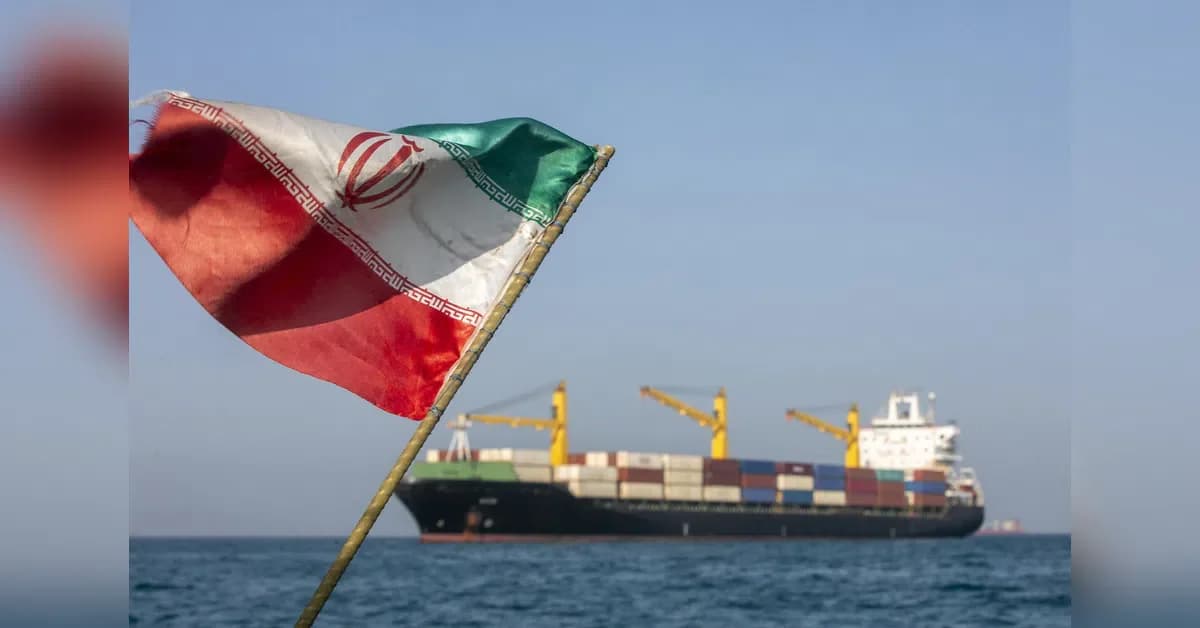
The rial currency has collapsed from 32,000 to USD 1 in 2015 to over 1.7 million to USD 1 currently. According to Associated Press, airstrikes this year have greatly damaged Iranian businesses and the oil industry, while the US blockade has been targeting Iranian crude oil shipments trying to reach international markets. Tax revenues have been depressed as businesses struggle even after the fighting paused, creating additional pressure on the already strained economy. The rial's dramatic devaluation has made it increasingly difficult for average Iranians to afford essential goods and services, with the currency's collapse from 32,000 to over 1.7 million to USD 1 representing one of the most severe currency collapses in recent history.
Iran's current inflation levels are comparable only to 1942 during World War II, when the country experienced hyperinflation and famine due to British and Soviet invasions and disrupted food supplies. As reported by Associated Press, the lack of food, worsened by poor harvests, sparked hyperinflation and a famine that killed many through hunger and typhus outbreaks. Iranian President Masoud Pezeshkian warned in May that 'we will definitely have higher prices' and acknowledged that 'we are fighting and we must accept this hardship.' The current economic pressure comes as Iran faces ongoing conflict with Israel and the United States, with the war and uncertainty around its resumption adding to the economic challenges facing the Islamic Republic.
Economic analyst Mohsen Jalilvand warned that if the US leaves Iran without a formal peace deal, 'most probably, we will see something like January by the end of summer because of the economic and social situations.' According to Associated Press, Tehran-based economist Saeed Leilaz warned that annual inflation in Iran could reach 80%, noting that 'Iran's society cannot tolerate above 25% annual inflation.' The economic pressure has historically sparked nationwide protests, with past demonstrations over food prices and currency issues leading to significant casualties. In 2017-2018, rising food prices sparked demonstrations that killed over 20 people and saw hundreds arrested, while an increase in government-subsidized gasoline prices caused protests that saw over 300 people reportedly killed. The most intense demonstrations to shake the Islamic Republic since its 1979 revolution were protests over the rial at the start of this year, with Iran's theocracy met January's protests with a crackdown that killed over 7,000 people according to activists' estimates.