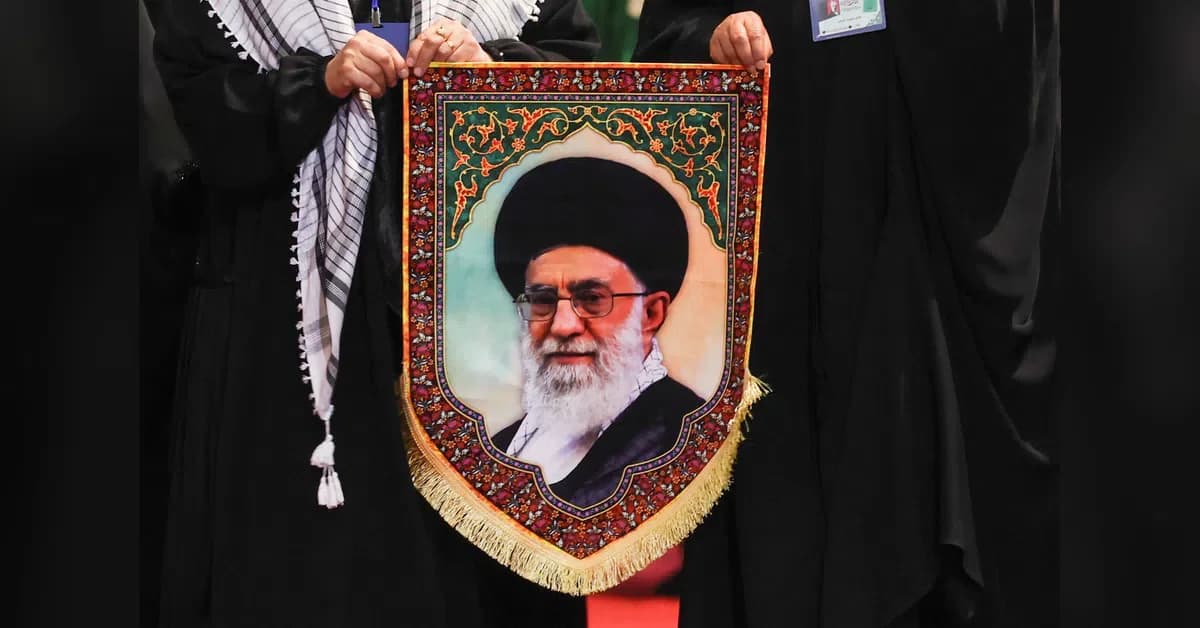
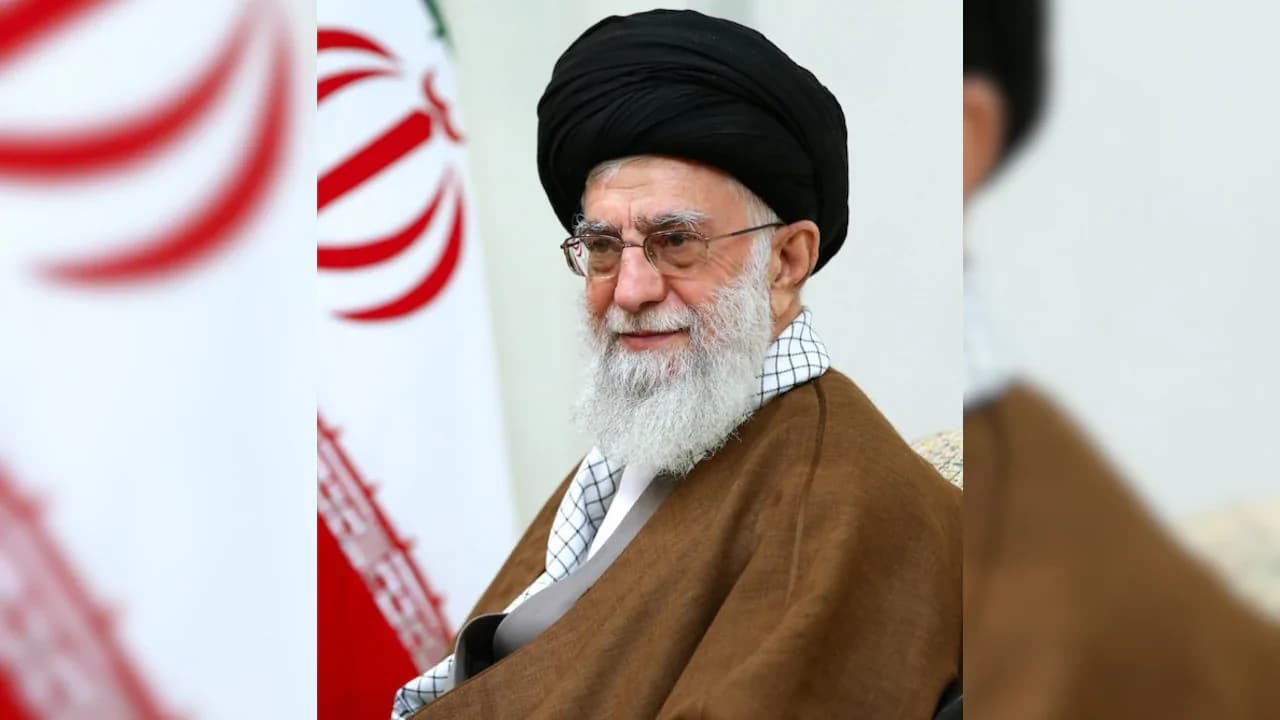
Three sons of Iran's slain supreme leader, Ayatollah Ali Khamenei, attended funeral prayers in Tehran on Sunday, while his successor and son, Mojtaba Khamenei, remained absent from public view. According to reports from Reuters and IRIB, state television showed Mostafa, Meysam, and Masoud Khamenei praying beside the coffins of their father and four other family members at Tehran's Imam Khomeini Grand Mosalla. The coffins included those of Khamenei's daughter, son-in-law, daughter-in-law, and 14-month-old granddaughter, who were also killed during the strikes that triggered the recent conflict. Iranian President Masoud Pezeshkian and Parliament Speaker Mohammad Baqer Qalibaf also joined the prayers, as reported by Reuters. Masoud Khamenei was seen crying and wiping his tears with a keffiyeh - the checkered scarf that symbolizes militant revolutionary ideals and solidarity with Palestinians - as an imam recited funeral prayers. Ali Khamenei had three other sons besides Mojtaba - Mustafa, Masoud, and Meysam - who attended the farewell ceremony, along with two daughters, Bushra and Hoda, who achieved martyrdom alongside their father.
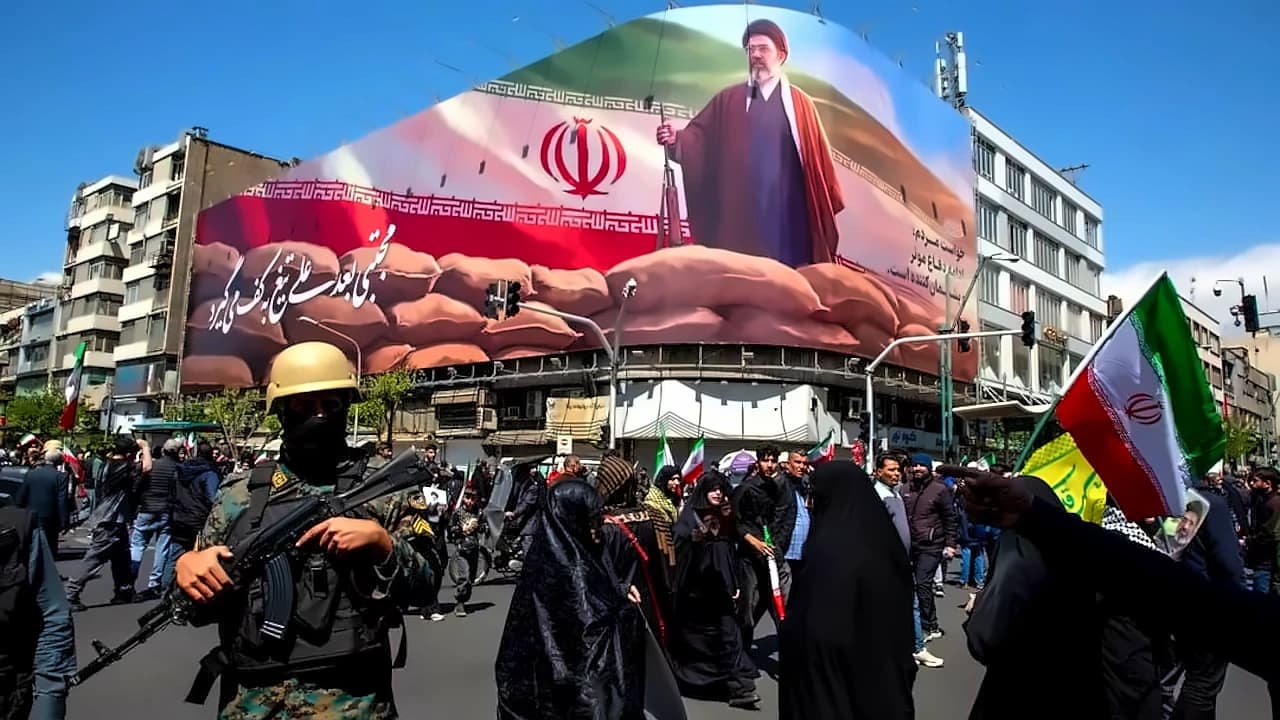
Mojtaba Khamenei, who succeeded his father as Iran's supreme leader after the February 28 Israeli and U.S. strikes, has not been seen publicly since the attack. As reported by Reuters, citing people close to his inner circle, he suffered severe facial injuries and significant wounds to one or both legs during the attack. The New York Times reports that security concerns about Israeli threats have reportedly prevented Mojtaba from attending public events, with two members of Iran's Islamic Revolutionary Guards Corps familiar with funeral planning stating that concerns about potential Israeli attempts to assassinate or track his location led his security team to advise against attending public ceremonies. Mohammad Hossein Khoshvaght, whose sister is married to Ali Khamenei's son Mostafa, told Iranian outlet Ansaf News in June that security experts had advised the new supreme leader "not to reveal himself in any way, even to the extent of releasing his voice." There has still been no public sighting or image released of Mojtaba, with President Trump telling the Axios news website that peace talks had been paused for a week for the events surrounding the funeral. The continued uncertainty over his condition has kept him out of the public proceedings.
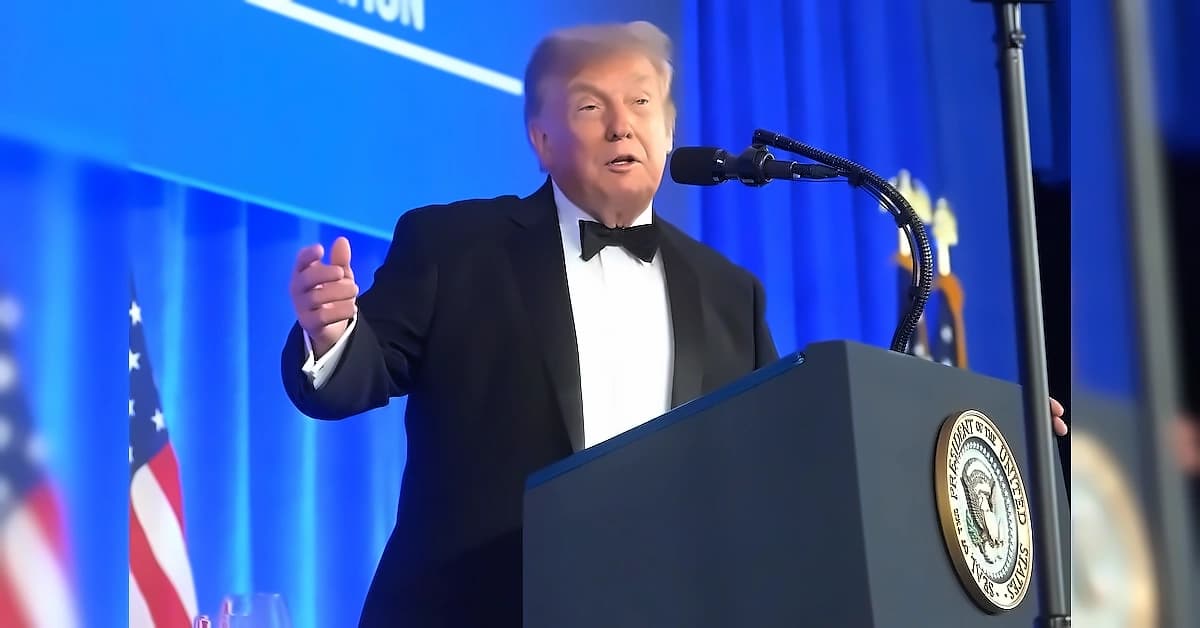
The funeral created a political spectacle at Tehran's Imam Khomeini Grand Mosalla that melded grief with calls for revenge against the United States. According to The Times of Israel, Mohammad Rasouli, a poet, made scripted remarks that led to mixed reactions but were enthusiastically cheered by most in the crowd. He declared: "From now on the shroud is our garment. I swear by your blood; Trump's murder is our responsibility." The ceremony included calls for killing Donald Trump, with crowds waving red flags symbolizing vengeance and chanting "No compromise, no surrender, only revenge." The space, designed to hold 30,000 people, was filled well before dawn, with unofficial authorities claiming more than 2 million attended the opening day of the ceremony. Many in the funeral crowd waved red flags and some men dressed in white burial shrouds to demonstrate their willingness to die as martyrs for the "master of martyrs." The streets surrounding the mosque were festooned with pictures of Mojtaba accompanying his father, while clerics distributed thick books containing collections of his speeches.
Iran has launched a week-long series of funeral ceremonies for Khamenei, with authorities expecting more than 10 million people to participate in the mourning ceremonies being held across Iran. According to Reuters, state media showed large crowds gathering overnight, with Tehran's metro system reporting around seven million passenger trips as people traveled to the capital for the ceremonies. Iranian authorities are planning to mobilize millions of people for the remaining funeral processions, providing transportation, food, and accommodation as the country stages one of the largest state ceremonies in its history. The funeral procession will continue in Tehran on Monday before moving to Qom on Tuesday, with remains then taken to Iraqi shrine cities of Najaf and Kerbala on Wednesday before returning to Mashhad for burial on Thursday. Streets have been closed, airspace restrictions imposed and public life disrupted as part of the mourning period, with many supporters who traveled to Tehran hoping the funeral would provide their first glimpse of the new supreme leader.
Revolutionary Guard chief Brigadier-General Ahmad Vahidi was among the senior Iranian officials attending funeral prayers for the late Supreme Leader Ayatollah Ali Khamenei. As reported by Reuters, Vahidi took over after Mohammad Pakpour, who had been appointed IRGC chief following the death of Hossein Salami in 2025, was killed during the opening phase of the U.S.-Israel conflict on February 28. The ceremonies come during a ceasefire that has paused the four-month conflict between Iran, Israel and the U.S., with U.S. President Donald Trump saying peace negotiations with Tehran had been paused during the funeral period and are expected to resume once the ceremonies conclude. Iran's authorities say the ceasefire agreement with Washington will ultimately bring huge economic benefits, in line with what they describe as a victory over a superpower. Delegations from Palestinian Hamas and Lebanon's Hezbollah met with Foreign Minister Abbas Araghchi on Saturday, while representatives of Yemen's Houthi rebels and Hamas ally Palestinian Islamic Jihad also attended the funeral ceremonies. Despite his absence so far, there remains a possibility that Mojtaba Khamenei could take part in the final stages of the funeral, with two IRGC officials telling The New York Times that the 56-year-old supreme leader had expressed a desire to attend at least some parts of the ceremonies, particularly hoping to be present at the burial in Mashhad and personally recite prayers for his father.