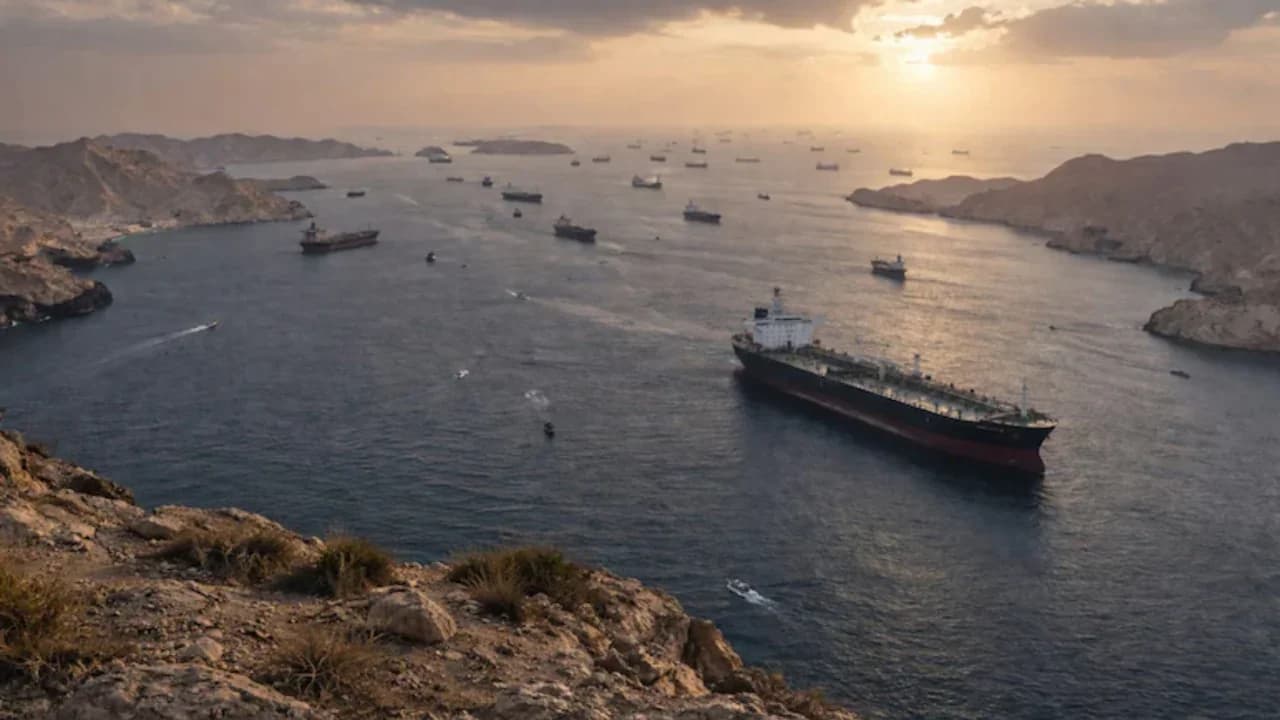
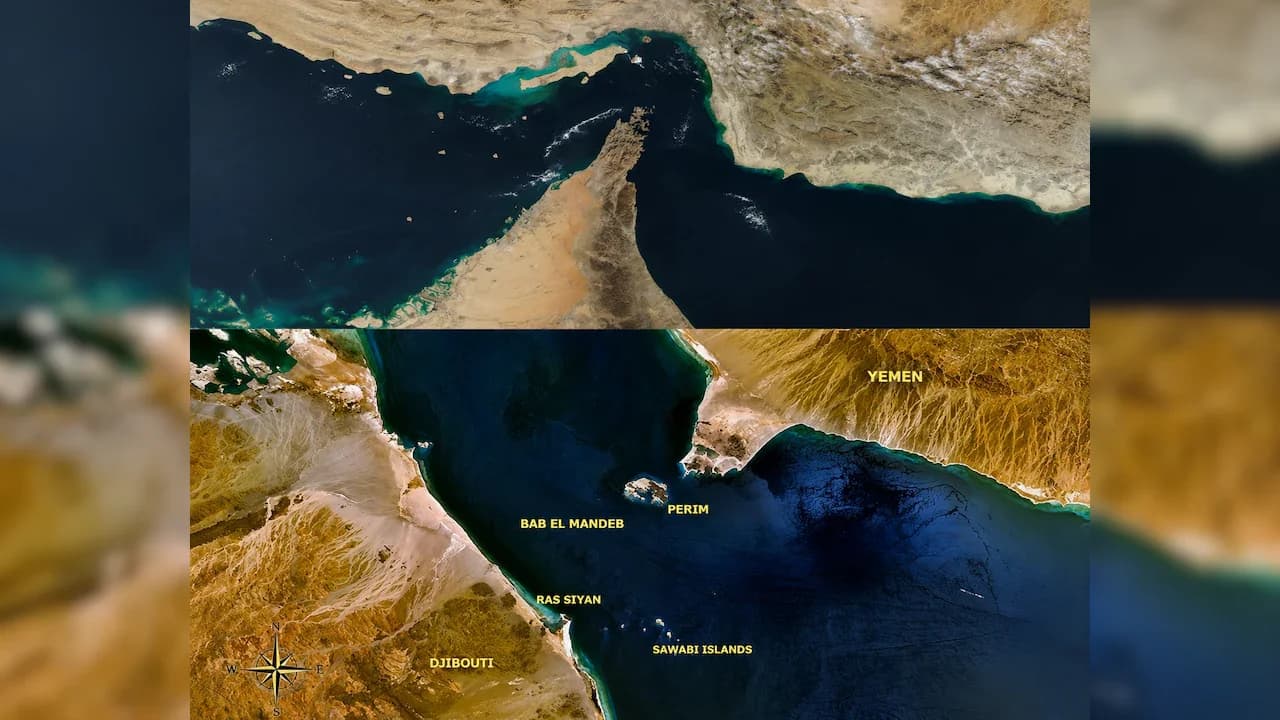
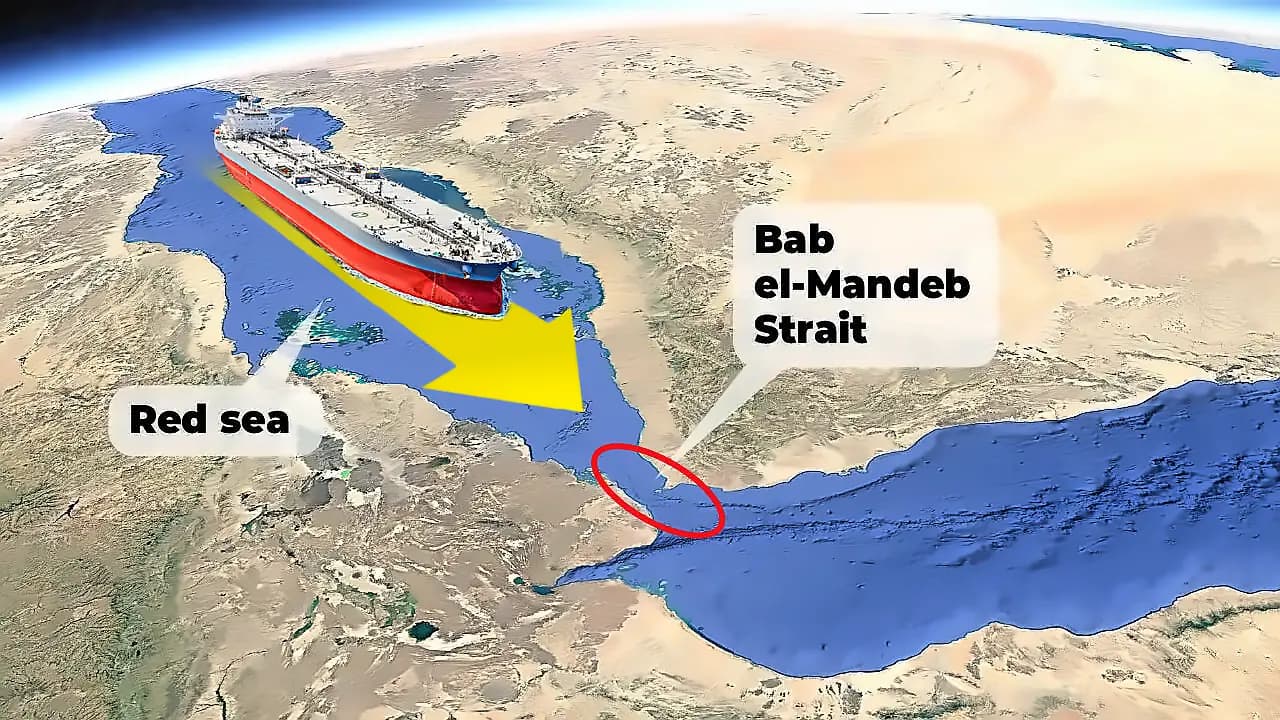
Ships are increasingly using concealment tactics to navigate the Red Sea as Yemen's Iran-aligned Houthis intensify their blockade on Saudi shipping. According to The New Arab, ship-tracking data shows the 'New Pearl', a Hong Kong-flagged vessel carrying two million barrels of Saudi crude oil, successfully departed through Bab al-Mandeb on Monday, July 27. This marked the third Saudi oil shipment to cross Bab al-Mandeb within two days, following the 'Lahore' (heading to Pakistan) and 'New Explorer' (bound for China) that crossed on Sunday. The escalation comes after both vessels had remained among ships stranded in the Red Sea, providing significant market relief as one of the vessels carried more than two million barrels of crude oil. As Reuters reports, the Aframax Rodos and Suezmax Amazon both turned off their Automatic Identification System transponders on July 22, making their movements impossible to track publicly. This represents the first evidence of vessels carrying Saudi crude for India going dark by turning off their transponders since the blockade began.
Saudi Arabia's key Red Sea export terminal at Yanbu appeared to witness its busiest day since Houthi threats disrupted regional shipping, with satellite imagery capturing five Very Large Crude Carriers (VLCCs) docked at the oil-loading terminals on Saturday. According to a Bloomberg report, Yanbu has become a critical export hub for Saudi Arabia after the Iran war disrupted shipping through the Strait of Hormuz. To maintain crude exports, the kingdom has been transporting millions of barrels of oil each day via pipeline to the Red Sea port before shipping cargoes to international buyers. A single VLCC can carry around 2 million barrels of crude, making the port's activity particularly significant during the current crisis. Despite these disruptions, crude exports from the Persian Gulf have continued, largely on tankers operating with their transponders switched off.
Two Saudi crude oil tankers carrying cargo for Indian refiners have successfully exited the Red Sea through the Bab el-Mandeb Strait by going 'dark' after Yemen's Iran-aligned Houthis announced a blockade on Saudi shipments. According to reports from Reuters, the Aframax Rodos and Suezmax Amazon both turned off their Automatic Identification System transponders on July 22, making their movements impossible to track publicly. This represents the first evidence of vessels carrying Saudi crude for India going dark by turning off their transponders since the blockade began. As The Times of India reports, the tankers initially headed north towards the Suez Canal before making the strategic retreat, with both vessels subsequently changing course and sailing south to exit the Red Sea entirely. The blockade announcement by Yemen's Iran-aligned Houthis has prompted standard safety procedures in conflict zones, with tanker owners shutting transponders for safety purposes as vessels head to their Indian destinations. The vessels switched off their transponders after two other Dynacom ships - the Malta-flagged Panamax-sized tanker Kavomaleas and Liberian-flagged VLCC Acheloos, which were hit by projectiles - were attacked. Turning off tracking systems is sometimes used by vessels operating in conflict zones to reduce security risks.
Following the escalation of Houthi threats, Saudi Arabia has implemented significant strategic adaptations to maintain oil exports. According to Bloomberg reports, the kingdom has redirected part of its Asia-bound exports from the Red Sea to Egypt's Sidi Kerir terminal on the Mediterranean coast. Additionally, some vessels are now sailing around Africa to avoid the Red Sea route entirely. The Greek-owned Suezmax tanker Lesvos and the India-flagged VLCC Desh Vaibhav passed through the Bab el-Mandeb Strait over the weekend carrying Saudi crude loaded at Yanbu while keeping their transponders switched off, according to analytics firms Vortexa and Kpler. Ship-tracking data showed that both vessels later reappeared in waters off Oman after transmitting their positions near the Red Sea export terminal. The decision to go 'dark' was made after the vessels switched off their transponders following attacks on two other Dynacom ships, with sources confirming this practice is normal in war zone areas.
Both tankers are now heading toward their Indian destinations after successfully exiting the Red Sea. The Rodos is expected to arrive at India's Mangalore port on August 1, while the Amazon is scheduled to reach Chennai in early August, according to sources with direct knowledge of the matter. The latest developments come as Goldman Sachs warned of renewed risks of rising oil prices amid threats to shipping in the Red Sea, predicting Brent crude could reach $120 if transit disruption continues. Despite security concerns, crude exports from the Persian Gulf have continued, with more than 8.4 million barrels of crude exiting the Gulf on Friday, making it one of the highest daily export volumes since the Iran war began at the end of February. The New Arab reports that the daily volume of ships crossing Bab al-Mandeb is experiencing clear fluctuations, with 35 ships crossing on July 21 and 43 ships on July 22, despite mediation efforts by Oman working in coordination with Saudi Arabia, Yemeni parties, and the UN Special Envoy for Yemen to resume the political process. Indian refiners have switched to cargoes from the Middle East on a delivered basis since the Houthi attacks on several Saudi tankers, with MRPL stating in its latest tender it will only buy oil shipped on routes avoiding the Red Sea and Strait of Hormuz.