Crude oil has experienced one of the sharpest monthly reversals in recent memory, with Brent crude futures for September delivery spiking to $91.42 per barrel during intraday trading on July 20, breaching the $90 threshold for the first time in 39 days since June 11. According to BigGo Finance, the contract settled at $89.22, up 1.27% from the previous session, while West Texas Intermediate for August delivery surged 2.85% to close at $84.84. Considering Brent had fallen to $71 earlier this month, prices have rebounded nearly 30% in just 20 days. The war premium that markets spent six weeks unwinding has returned, with both benchmarks up roughly 27% and 24% respectively in July. As reported by Middle East Monitor, shipping risks, vessel delays and attacks have pushed insurance costs higher and sent crude prices soaring during periods of heightened tensions.
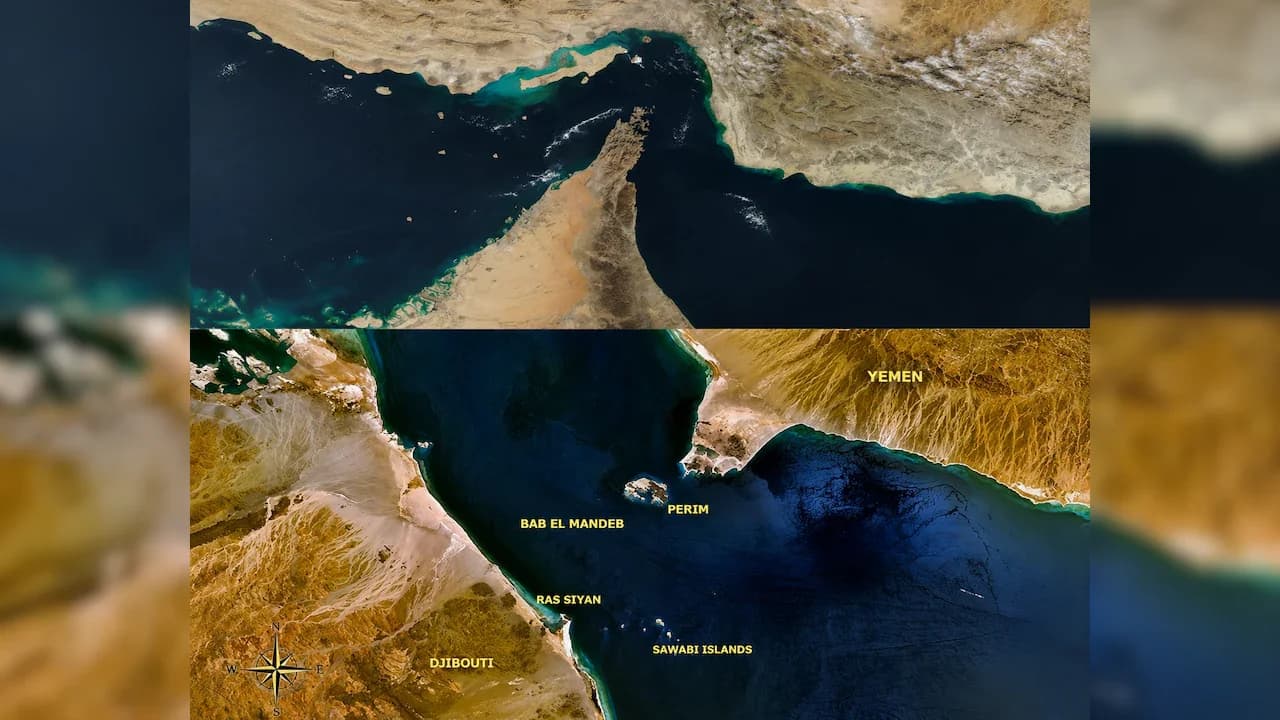
The current escalation features a multi-front disruption profile that distinguishes it from previous conflict phases, as reported by BigGo Finance. While Hormuz remains the primary chokepoint under stress with US-Iran military exchanges extending into a tenth consecutive day, the risk geography has expanded materially. Yemen's Iran-backed Houthi rebels have declared a naval blockade of the Red Sea targeting Saudi Arabia, threatening the last remaining bypass route in the global energy supply chain. The immediate trigger was the Houthis' response to Saudi Arabia's blockade of the Yemeni capital Sanaa, with the rebels declaring a naval blockade of Saudi ports and reportedly sending warning emails to shipowners advising them to avoid calling at Saudi terminals. According to Middle East Monitor, the Strait of Hormuz carries nearly a fifth of global oil supplies and significant LNG exports from Qatar and the UAE, while the Bab el-Mandeb Strait is vital for global container trade.
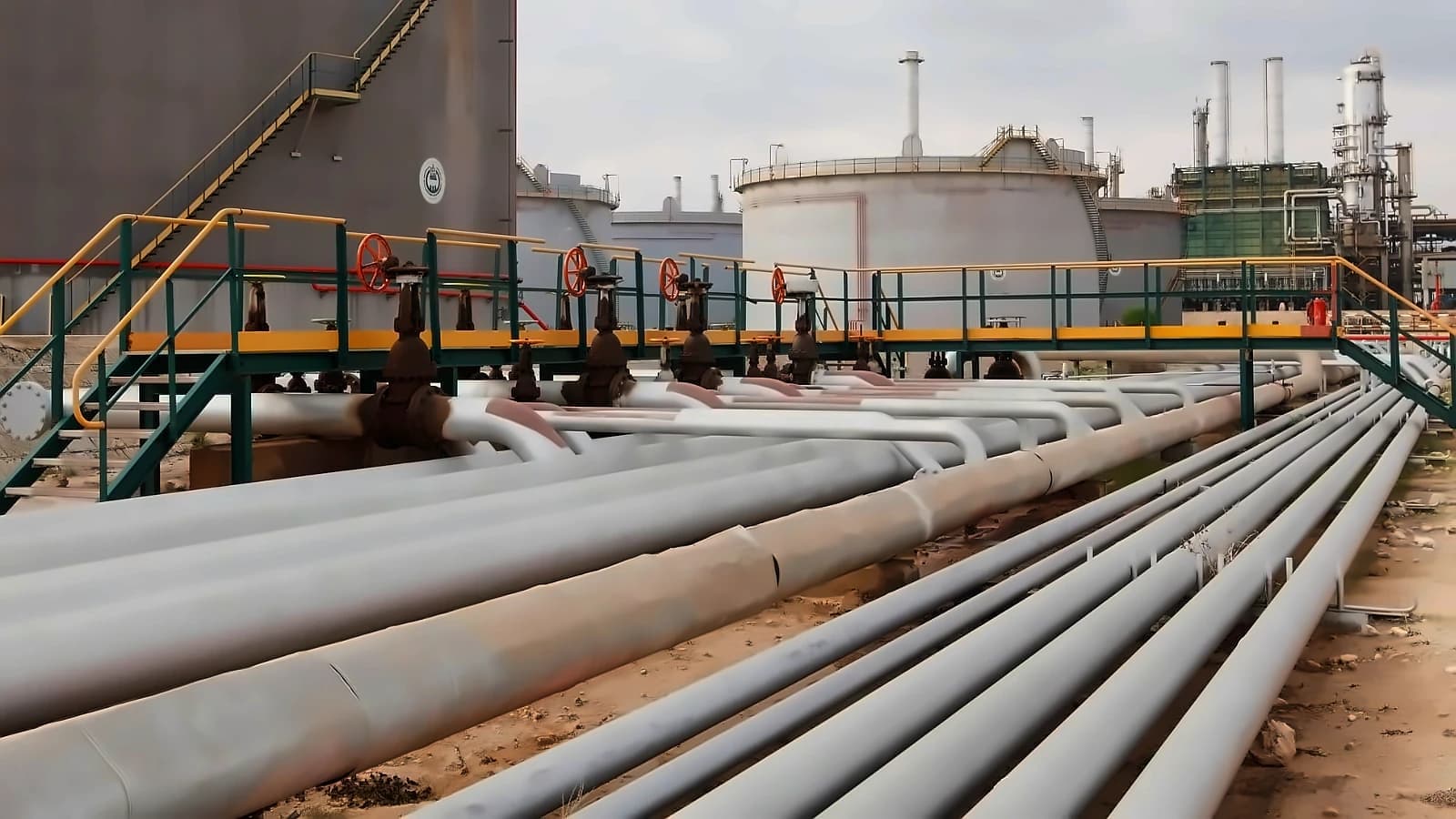
The Yanbu export terminal on the Red Sea, which had functioned as Riyadh's primary Hormuz bypass throughout the conflict, is now directly threatened by the Houthi blockade. According to BigGo Finance, Saudi Arabia exported a record 5.9 million barrels per day of crude from Yanbu's two terminals in the week ending July 17, just before the Houthis issued their blockade warning. Exports for the seven days through July 20 averaged 5.5 million barrels per day, underscoring the kingdom's complete reliance on the Red Sea route. The Bab el-Mandeb Strait—which connects the Red Sea to the Gulf of Aden—is the most likely target for Houthi blockade enforcement, with petroleum product flows through the strait averaging 7.4 million barrels per day in June, representing approximately 7% of global crude production. As noted by Middle East Monitor, while Saudi Arabia's East-West pipeline offers an alternative for some exports, its limited capacity cannot replace the massive volumes that normally transit through Hormuz.
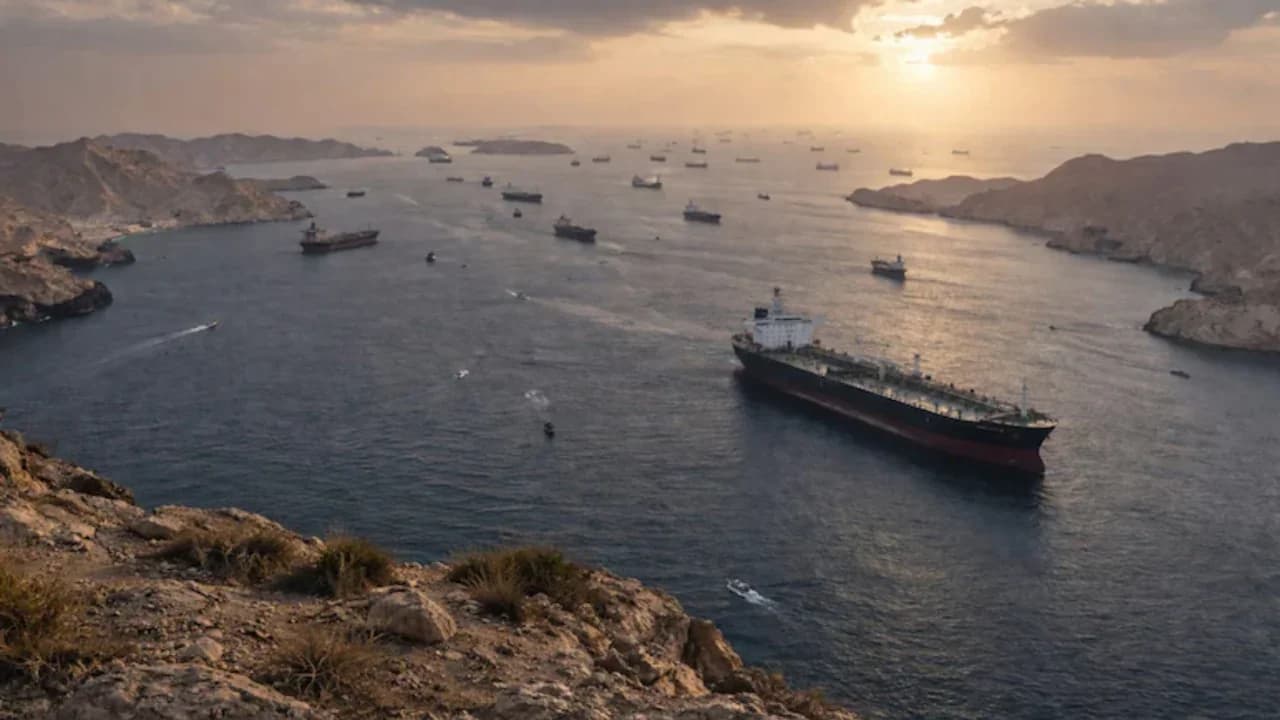
The Strait of Hormuz is already at near-paralysis levels due to the US-Iran war, with traffic showing dramatic declines. According to Lloyd's List Intelligence, only 53 vessels transited the strait in the week through July 20, a 66% decline from 157 vessels the previous week. Crude oil and liquefied natural gas carrier traffic shrank from 90 vessels to just 30. Kpler data shows daily transits fell to 16 vessels after July 15, then dropped to single digits and have remained at low levels. Saul Kavonic from MST Marquee noted that "the market was overly optimistic that the Strait of Hormuz would reopen quickly," adding that "current Hormuz crude flows are only about 15% of pre-war levels." As reported by Middle East Monitor, shipping companies have increasingly diverted vessels around the Cape of Good Hope, adding up to two weeks to voyage times while raising freight rates, fuel costs and insurance premiums.
South Korea faces an unavoidable direct hit from the escalating oil crisis, as the country relies on Middle Eastern crude for 54% of its imports. According to BigGo Finance, if both straits are simultaneously blocked, roughly 33% of total imports—volumes from Saudi Arabia, Iraq, and Qatar—would be directly impacted. The Bank of Korea (BOK) forecast in May that the economy would grow 2.6% this year with consumer price inflation at 2.7%, based on a scenario assuming Strait of Hormuz traffic would recover to 60% of pre-war levels by the fourth quarter. However, if traffic remains at 30-40% in Q4, the growth forecast drops to 2.1% while inflation rises above 3%. The won-dollar exchange rate is showing renewed volatility, potentially re-entering the ₩1,500 range as rising oil prices boost dollar demand. The crisis has also intensified efforts to diversify trade routes, with projects such as China's Belt and Road Initiative (BRI), the India-Middle East-Europe Economic Corridor (IMEC) and the Trans-Caspian Middle Corridor aiming to reduce dependence on vulnerable maritime passages, though geopolitical tensions continue to limit their effectiveness.