US Secretary of State Marco Rubio has warned that Washington will not tolerate any attempt by Tehran to control or monetise access to the strategic waterway, calling such moves a threat to global trade and freedom of navigation. In an interview with Fox News, Rubio criticised Iran's efforts to regulate vessel movement through the Strait, saying Tehran cannot 'normalise' a system where ships require Iranian approval or payments to pass through the route. As per NDTV Profit, Rubio stated that 'If what they mean by opening the Straits is 'Yes, the straits are open as long as you coordinate with Iran. Get our permission, or we'll blow you up and pay us.' That's not opening the Strait. That is an international waterway.' The Secretary emphasized that 'They cannot normalise, nor can we tolerate them trying to normalise, a system in which the Iranians decide who gets to use an international waterway and how much you have to pay them to use it.'
Iran has initiated discussions with Gulf state Oman regarding a payment system for vessels passing through the Strait of Hormuz, according to reports from Business Standard. The talks appear to signal that the United States and Iran are no closer to ending their conflict, despite repeated claims to the contrary by President Trump. Iranian officials have suggested they might include charges for services, transit fees, or environmental charges as part of the proposed system. On Wednesday, amid these discussions, Iran's newly created Persian Gulf Strait Authority announced on social media that it had 'defined the boundaries of the Strait of Hormuz management supervision area' and that passage would require a permit from the authority. According to NDTV Profit, Iranian ambassador to France Mohammad Amin-Nejad defended the proposal, telling Bloomberg that countries using the route 'must also pay their share' for navigation and security services.
President Trump dismissed the notion of any payment for passage through the strait on Thursday, stating 'We want it free. We don't want tolls. It's international. It's an international waterway' while speaking in the Oval Office, as reported by Business Standard. Secretary of State Marco Rubio also rejected the idea, stating 'It can't happen. It would be unacceptable. It would make a diplomatic deal unfeasible if they were to continue to pursue that.' At various points over recent months, Mr. Trump has condemned the possibility of any Iranian tolls and floated the notion that the United States could itself charge them as the self-declared winner of the war, while also suggesting that the revenue might be shared. The latest US warnings come as Iran reportedly imposed transit fees on vessels using the Strait of Hormuz, with proceeds already transferred to the country's central bank accounts, according to NDTV Profit.
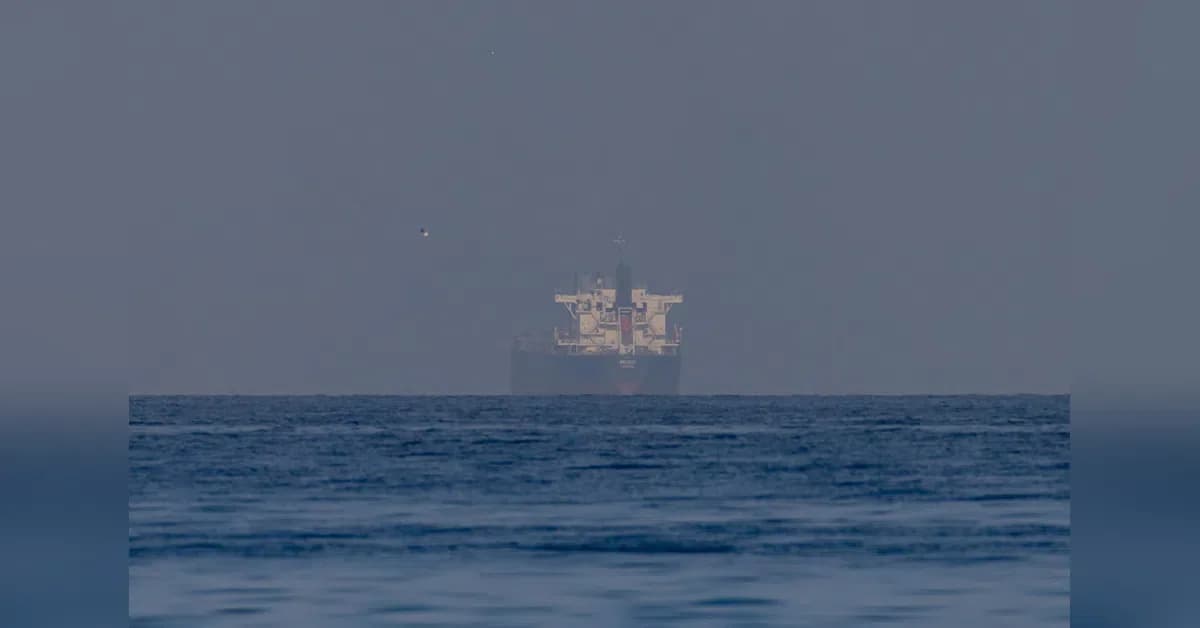
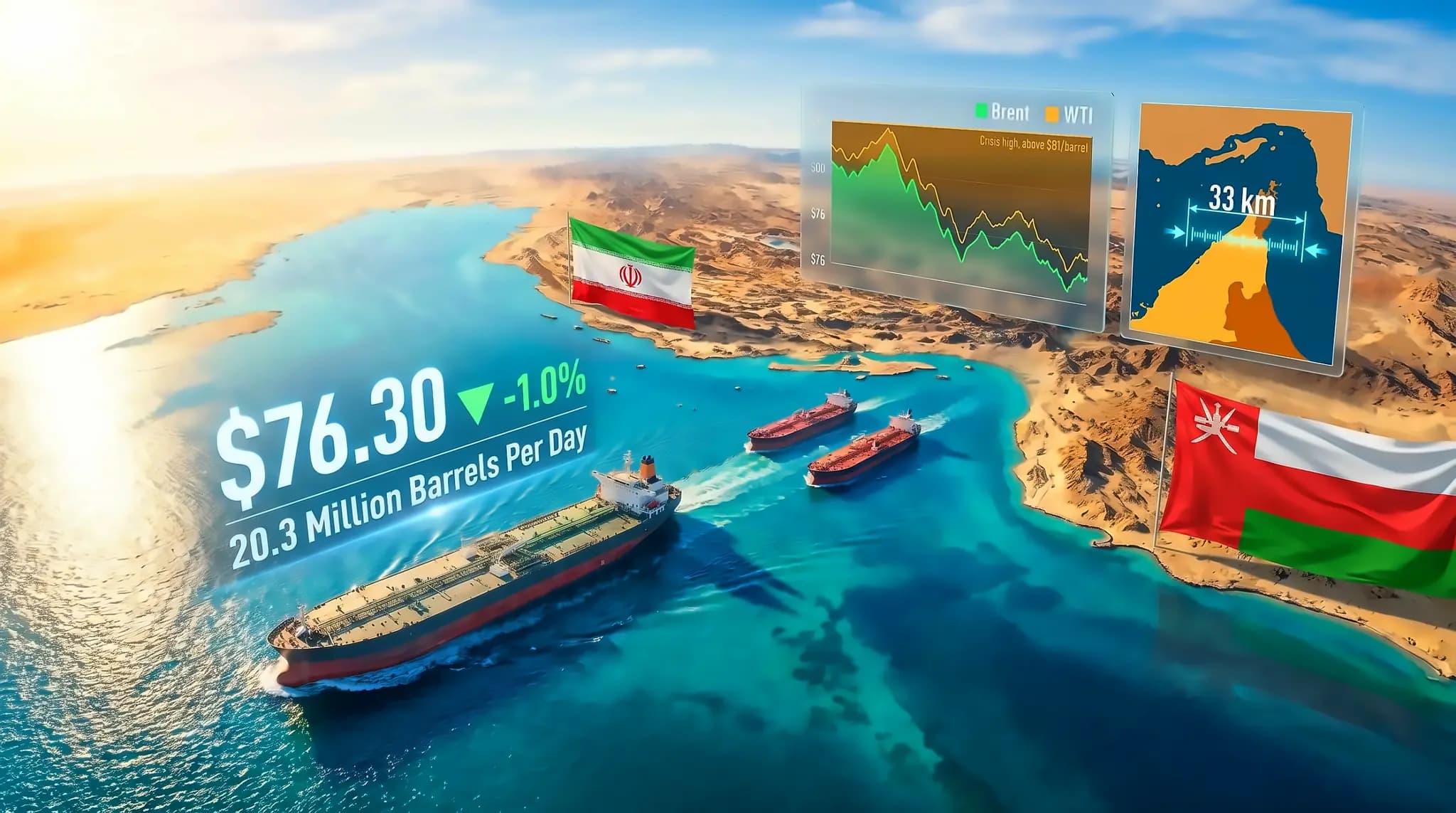
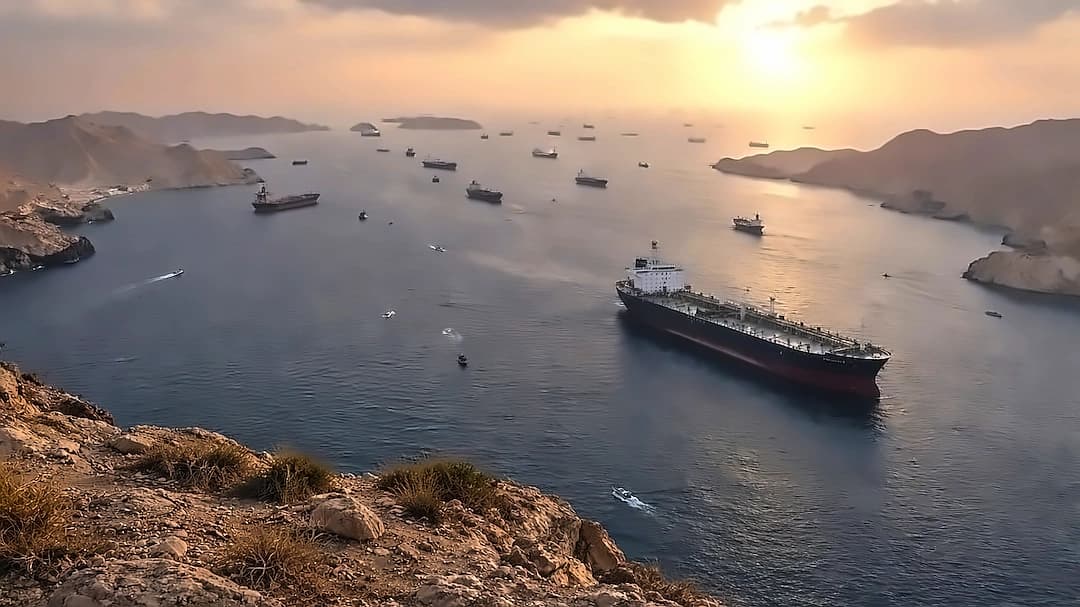
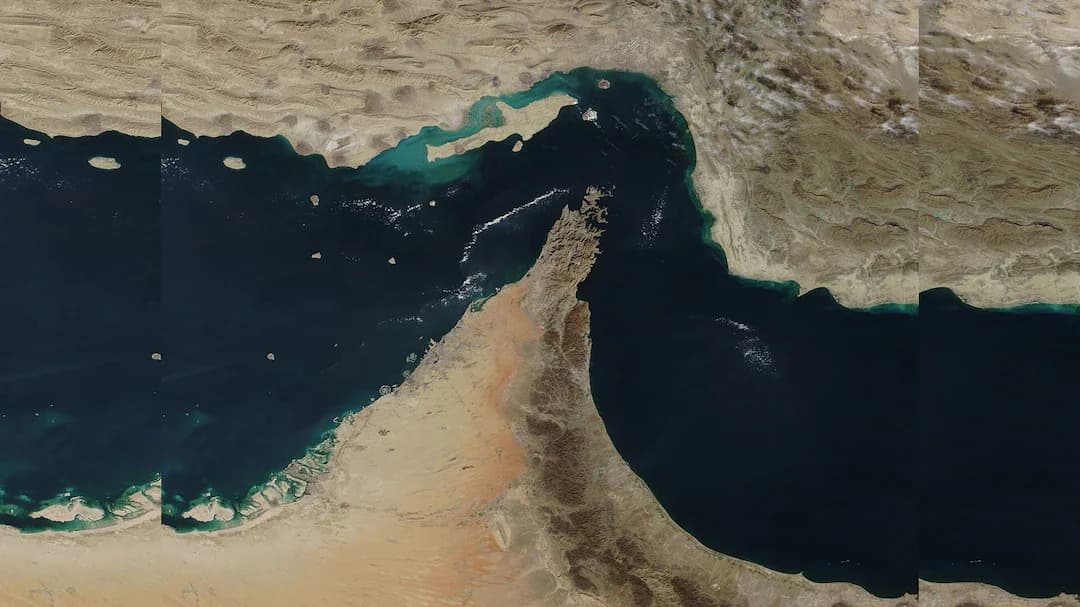
After coming under attack by American and Israeli forces in late February, Iran brought commercial traffic in the strait to a near halt, crippling international shipping and driving up energy prices, according to Business Standard. With its leverage over the global economy established, Iranian officials began discussing ways to maintain control of the waterway and generate revenue. The strait handles approximately a fifth of the world's seaborne oil and natural gas traffic, making it a critical economic chokepoint. According to NDTV Profit, the proceeds from the new fees have already been transferred to the country's central bank accounts, demonstrating Iran's commitment to monetizing its control over the strategic waterway.
UK Prime Minister Keir Starmer and US President Donald Trump stressed the 'urgent need' to restore normal shipping activity through the Strait, warning that prolonged disruptions could severely impact global energy markets and the wider economy, as reported by NDTV Profit. Oman had initially rejected a joint partnership with Iran on the strait but is now in discussions over a share of the revenues, according to two Iranian officials familiar with the talks but not authorized to speak publicly, as reported by Business Standard. Oman told Iranians it was willing to use its influence with Gulf neighbors including Bahrain, Kuwait, Qatar, Saudi Arabia, and the United Arab Emirates to push the plan. The talks between Oman and Iran were first reported by Bloomberg News, with Tehran said to be in talks with Oman to establish a formal toll mechanism aimed at institutionalising oversight of maritime traffic through the Strait. It remains unclear whether anything concrete will come out of the current discussions, as neither side has publicly shown willingness to compromise on the issue.