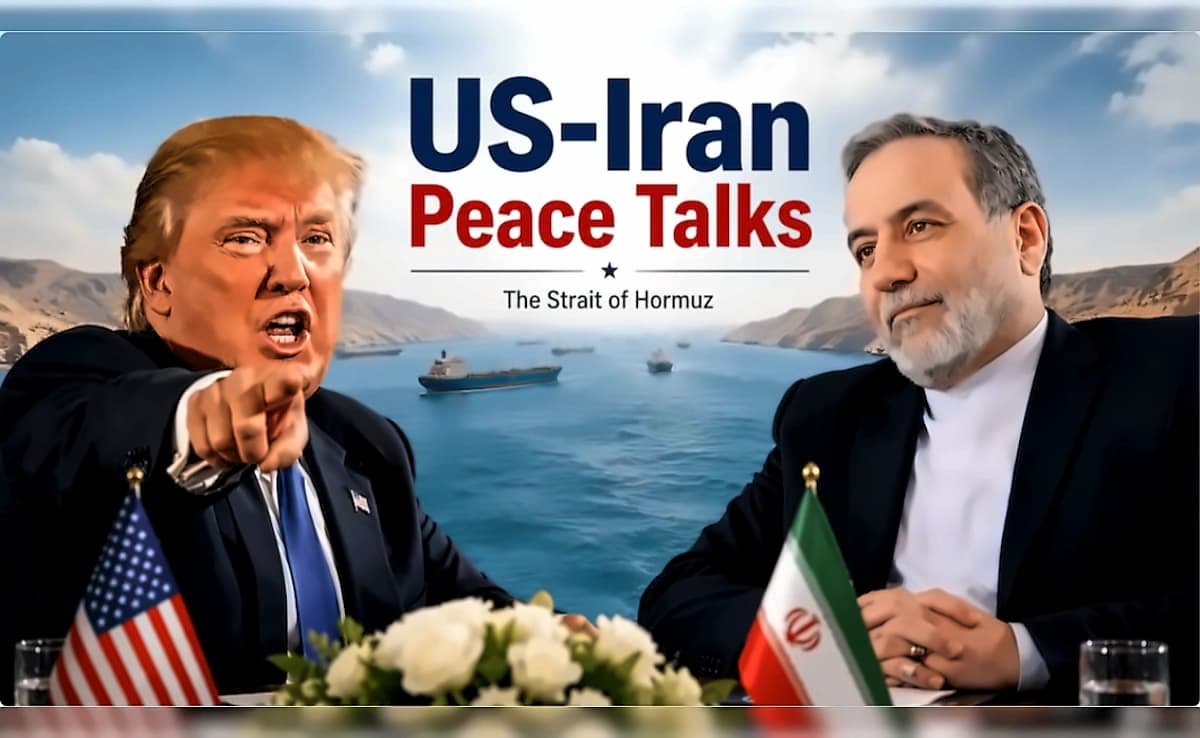
Iranian and US officials continue their dual-tracked approach as nuclear negotiations show significant progress toward a potential agreement. According to recent reports, US Secretary of State Marco Rubio indicated there may be 'good news' in the next few hours regarding a deal that could formally end the Middle East war. This development comes despite earlier military warnings from Iranian officials, with Mohsen Rezaee declaring Iran's 'finger is on the trigger' for a potential fourth round of fighting even as negotiations continue. The conflicting signals highlight the complex nature of current diplomatic efforts, with both sides maintaining their respective positions while seeking resolution through diplomatic channels. Rubio has now described the emerging proposal as 'a pretty solid thing on the table' and emphasized that the deal 'has a lot of support in the Gulf and globally'. His latest comments came as oil prices hit two-week lows amid optimism about the breakthrough, with Brent crude futures falling $4.71 to $98.83 a barrel and US West Texas Intermediate at $92.03 a barrel, down $4.57.
The emerging deal would reportedly include reopening the Strait of Hormuz alongside easing of maritime restrictions, addressing a key concern for regional allies. As reported by multiple sources, the agreement would establish a 60-day negotiation window on Iran's nuclear programme, with Iranian officials describing the current draft as a 'framework agreement' that remains focused on ending hostilities first. Foreign Ministry spokesman Esmaeil Baghaei confirmed that both sides are aiming for a final deal within 30 to 60 days after the memorandum of understanding is formally approved. Key issues under discussion include US maritime operations and the release of frozen Iranian assets, with Iranian officials emphasizing that nuclear talks will be addressed in a later phase. Rubio has now signalled that the US is prepared to enter 'very serious talks' about Iran's nuclear programme if Tehran reopens the Strait of Hormuz, stating that 'the straits have to be immediately reopened, and then we will enter, under agreed-to parameters, into very serious talks'. A senior Trump administration official told Reuters that Iran had agreed 'in principle' to open the Strait of Hormuz in exchange for the US lifting its naval blockade and disposing of Tehran's highly enriched uranium, with the US understanding that Ayatollah Mojtaba Khamenei had endorsed the broad template of the deal.
US President Donald Trump has maintained firm positions on nuclear non-proliferation, with Israeli Prime Minister Benjamin Netanyahu confirming that both leaders agreed any final agreement must 'eliminate the nuclear threat entirely' by dismantling Iran's uranium enrichment facilities and removing enriched nuclear material from Iranian territory. Rubio has now distanced the current negotiations from the 'Obama-era agreement which he claimed gave Tehran ' a softer approach. A senior Iranian diplomat told the ISNA news agency on Monday that Iran would discuss its nuclear programme and its highly enriched uranium with the US if Washington fulfills its commitments under the initial draft deal, with these issues to be discussed during the 60-day negotiation period that follows the agreement. The US official pushed back on suggestions that Iran had not accepted disposing of its stockpiled enriched uranium, stating 'It's a question about how' the disposal would be handled.
The emerging agreement has garnered regional support from seven to eight countries in the region, according to Secretary of State Marco Rubio. Turkey's President Recep Tayyip Erdogan has pledged to extend 'every kind of support' for the implementation of a potential agreement with Iran. However, challenges remain, with US Senator Lindsey Graham warning that any deal could increase instability in Lebanon and Iraq and escalate risks around the Strait of Hormuz. The United States maintains a naval blockade while negotiations proceed, with Trump defending his deliberate approach of 'not rushing into a deal' as the negotiations are 'proceeding in an orderly and constructive manner'. Rubio has suggested the US could renew its threat to attack Iran if negotiations do not bear fruit within two months, stating that 'the president has every option available to him in 60 days that he has available to him now'. Mohammad Bagher Ghalibaf, who has been Iran's top negotiator in talks with the US, has been reelected as parliament speaker, according to semi-official Fars news agency.