Iran and the United States are making significant progress in peace talks focused on ensuring fighting ends on all fronts, with both sides expressing optimism about a potential breakthrough. US Secretary of State Marco Rubio told reporters in India on Saturday that there's been some progress, adding that it's possible an announcement will be made in coming days. US President Donald Trump told Axios on Saturday that it was a 'solid 50-50' on whether the sides could reach a deal or if he'd 'blow them to kingdom come.' Trump added that he is meeting with his top negotiators later Saturday and would aim to decide by Sunday. According to Bloomberg, Iranian state television cited Foreign Ministry spokesman Esmail Baghaei as saying the final draft of an agreement text between Iran and the US is still under review.
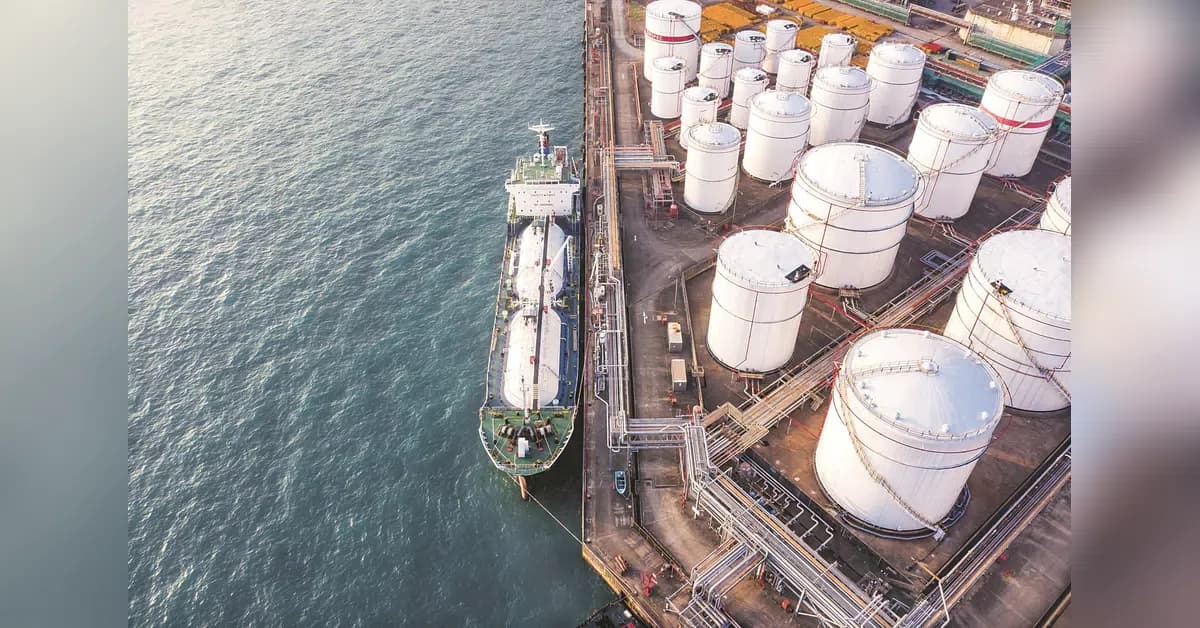
Mediators believe they're closing in on a deal to extend the ceasefire by 60 days that would include a gradual opening of the Strait of Hormuz, as reported by The Financial Times. Baghaei told Iranian state television that over the past week, the process has been moving toward a convergence of views, with Iranian officials saying there are still issues that need to be addressed through discussions with mediators. The two sides will also need to agree on how the Strait of Hormuz, a crucial passageway for global energy supplies that has remained largely shuttered since the war began on February 28, should be administered. US officials have indicated that planning remains ongoing for possible fresh strikes, adding urgency to the current negotiations.

Oil prices turned to gains Friday after Iran poured cold water on growing market hopes for a near-term agreement with the United States, according to Oilprice.com. Brent crude rose 0.78%, while U.S. benchmark WTI climbed 0.20% to $96.54, reversing part of Thursday's selloff that briefly pushed both benchmarks to their lowest levels in nearly two weeks. The move came after U.S. officials suggested progress in negotiations, but Iran's Foreign Ministry spokesman said Tehran could not necessarily say an agreement was close, as reported by Tasnim. A senior Iranian source had earlier told Reuters that some gaps had narrowed, but no agreement had been reached.
Adding another layer of anxiety, ADNOC's chief executive warned this week that full oil flows through Hormuz may not return until at least early 2027, even if hostilities ended immediately, according to Oilprice.com. This extended timeline contrasts with earlier optimism when Iran declared the strait 'completely open,' with President Trump celebrating this as a major breakthrough before markets swung back down. The U.S. continues to mount a naval blockade of Iranian ports in the Strait of Hormuz, exerting pressure on Tehran by choking off a key source of revenue.
The ongoing conflict continues to impact physical oil markets significantly, with physical oil markets tightening and inventories continuing to fall, as reported by Oilprice.com. Elevated fuel prices are feeding broader inflation concerns across major economies, adding to the global economic impact of the US-Iran tensions. The stakes remain enormous as markets repeatedly move on headlines but tend to snap back once optimism outruns reality, highlighting the challenges of navigating geopolitical risks in the current environment. Rubio told reporters that the US remains adamant that Iran can never have a nuclear weapon, must hand over its highly enriched uranium and ships must be allowed to pass freely through the strait.