Treasury Secretary Scott Bessent has issued a stark warning to Iran, stating that frozen Iranian funds will be used to compensate affected Gulf allies and offset costs from Strait of Hormuz disruptions. In a post on X, Bessent declared that "The Iranian regime will lose the zero-sum game it is playing." He emphasized that "Any damage it inflicts on our allies in the Gulf will be paid for with funds extracted from Iranian accounts. Any tolls paid to the Persian Gulf Strait Authority will be offset by funds extracted from their accounts. Every attack Iran launches will only deepen the economic and financial consequences it faces." The warning comes as the US government prepares to use seized Iranian assets to assist Gulf Cooperation Council allies following the heavy destruction caused by the Middle East conflict, with the Treasury Department evaluating physical and financial conditions among affected Gulf states.
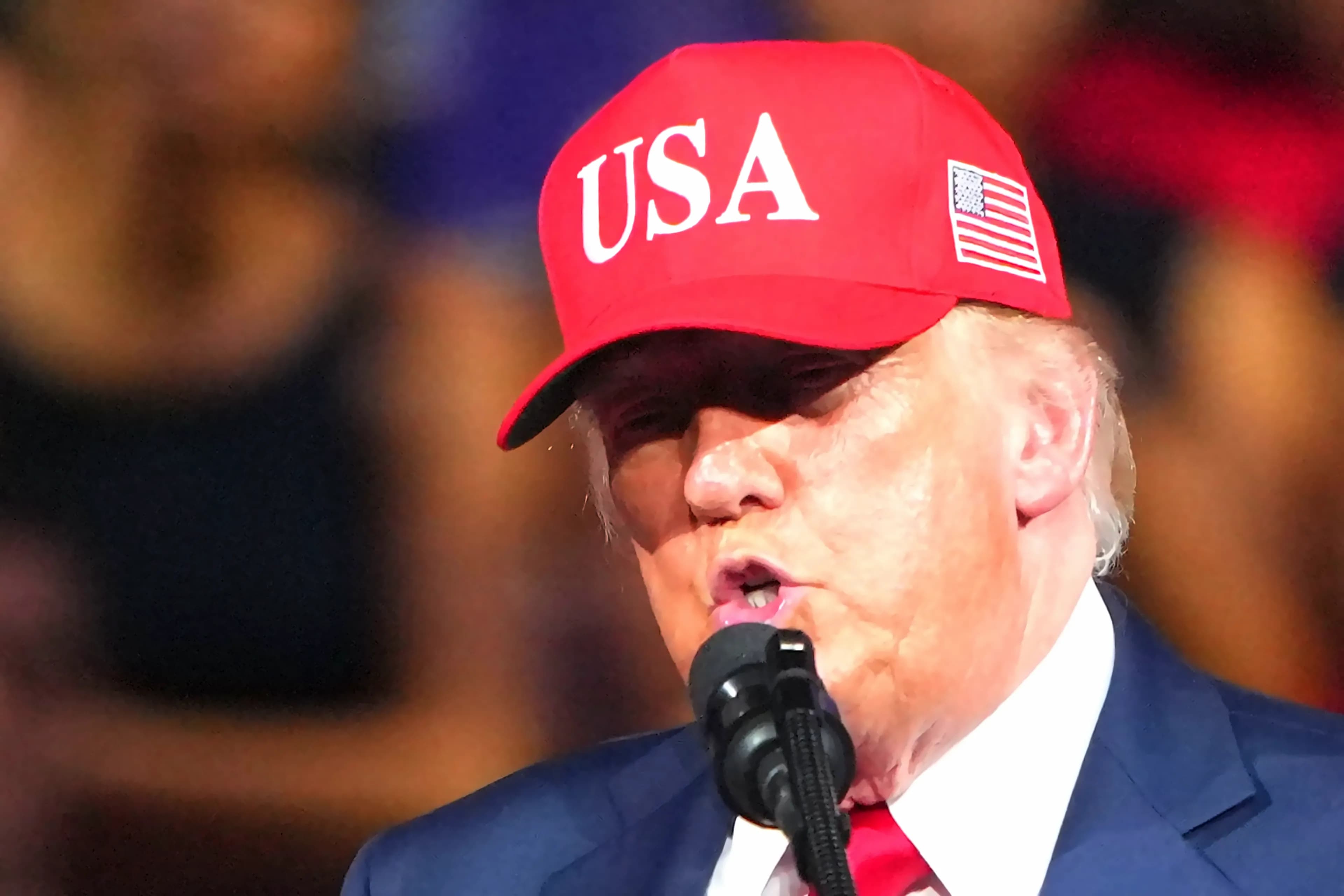
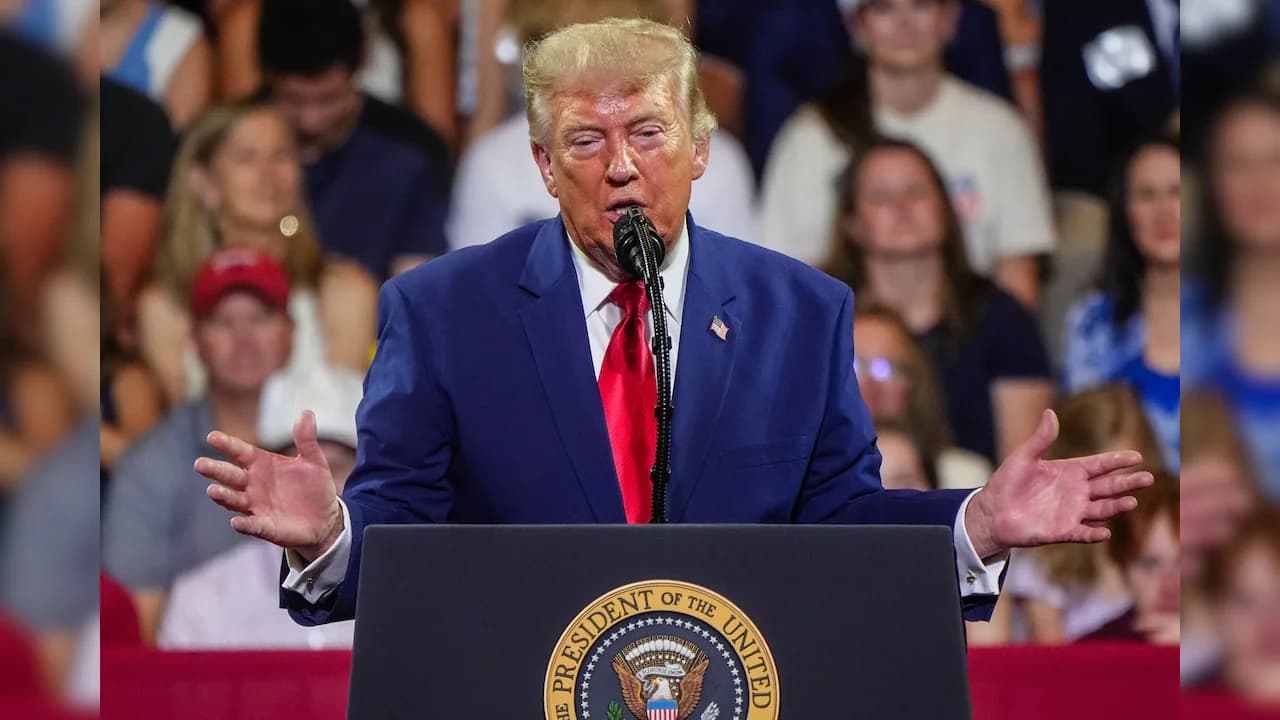
The financial warning follows a sharp escalation in tensions between Washington and Tehran, with US President Donald Trump warning of fresh military action against Iran. In a post on Truth Social, Trump said "The United States will be hitting Iran very hard tonight," adding that Iran's navy, air force, radar systems and anti-aircraft capabilities had largely been destroyed. Trump also suggested that the US would seek control over Iran's strategic energy infrastructure, including Kharg Island, the country's primary oil export terminal, as well as its broader oil and gas markets. The latest escalation follows US strikes on Iranian coastal radar installations in Goruk and Qeshm Island in the Strait of Hormuz early Saturday, with US Central Command stating the operation was launched after Iranian drones were intercepted near commercial shipping routes. Iran later retaliated by firing missiles towards US military facilities in Kuwait and Bahrain, with Kuwaiti authorities reporting seven ballistic missiles passed over populated areas, causing structural damage but no casualties, while Bahrain activated emergency sirens and urged residents to seek shelter.
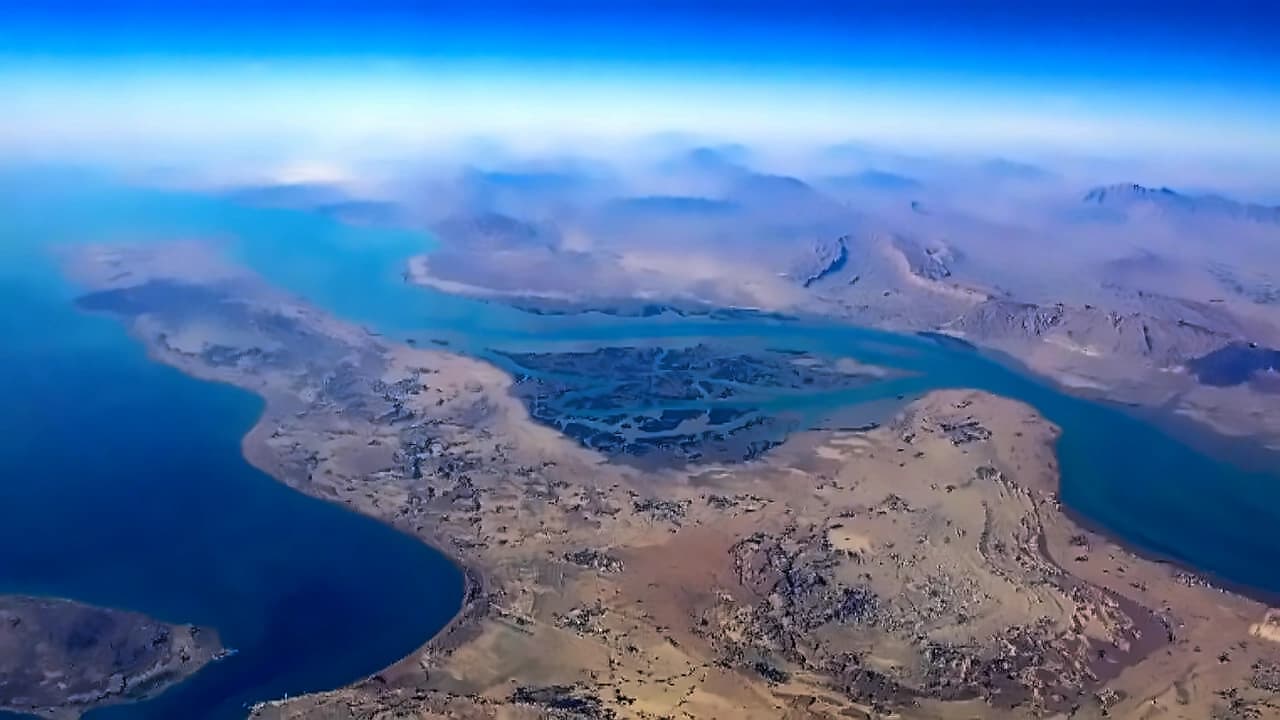
Concerns over potential disruptions to energy flows pushed oil prices higher following Trump's comments. Brent crude futures rose 0.14% to trade around $93 per barrel, while West Texas Intermediate crude gained 0.72% to approximately $90.6 per barrel. The escalation highlights the strategic importance of the Strait of Hormuz, which serves as a critical energy corridor for global oil markets. Trump told NBC that while most of Iran's missile and drone production had been destroyed, Iran still has access to roughly 21-22% of its missiles, according to Reuters. The military exchanges have further complicated already stalled diplomatic efforts, with the latest escalation following the US strikes on Iranian radar installations and Iran's retaliatory missile launches toward US military facilities.
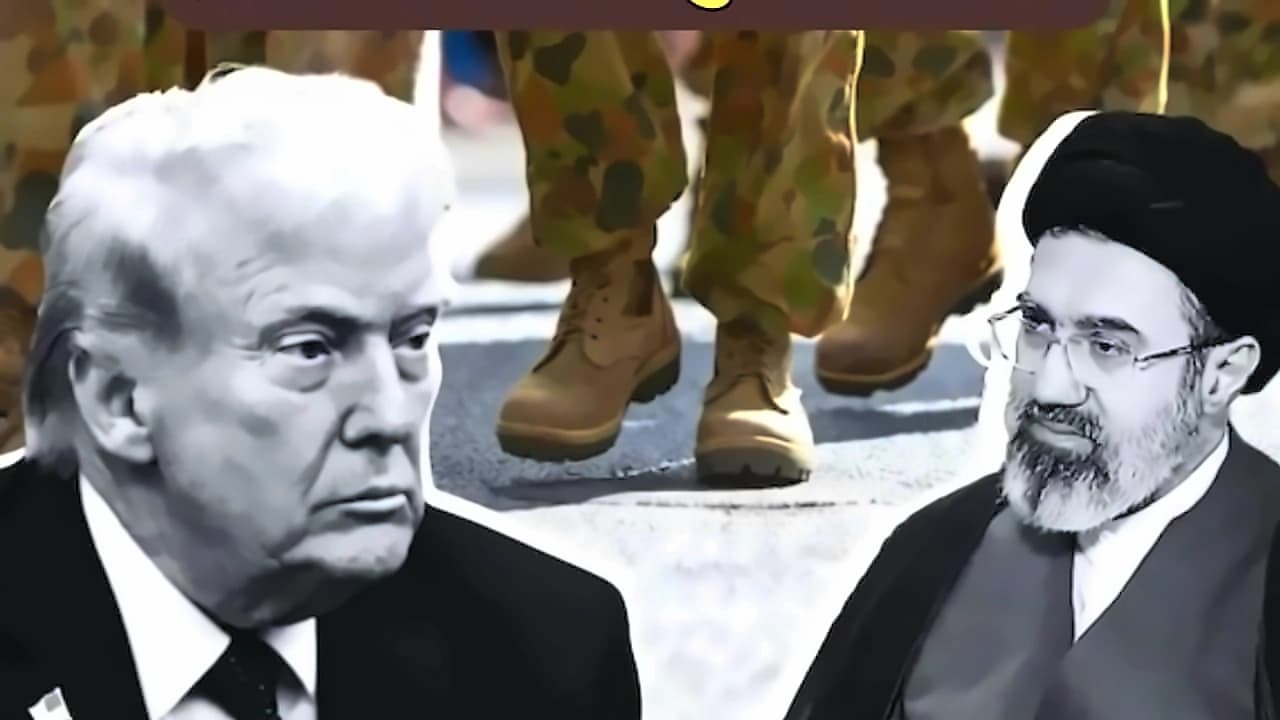
Peace negotiations appear to have stalled, although diplomatic channels remain open. Pakistani Interior Minister Mohsin Naqvi arrived in Tehran on Saturday carrying what Iranian media described as a special letter from the head of the army and the prime minister to Supreme Leader Mojtaba Khamenei, according to semi-official ISNA. Naqvi said he carried a "special letter" from the head of the army and the prime minister to the supreme leader, as reported by Reuters. The visit comes amid reports that negotiations have slowed. Mohsen Rezaei, an adviser to Iran's Supreme Leader, told CNN that a peace deal depends on the release of $24 billion of Iranian assets frozen by the United States. Iran continues to seek access to frozen revenues, relief from sanctions affecting oil exports and ports, and leverage over shipping through the Strait of Hormuz. The broader objective of the proposed asset redirection is to hold Tehran financially accountable for regional attacks while easing the economic burden on key US allies, as reported by ANI. An adviser to Iran's supreme leader said access to the funds remained a non-negotiable condition alongside sanctions relief and guarantees related to oil exports and shipping access through the Strait of Hormuz, according to NDTV Profit.