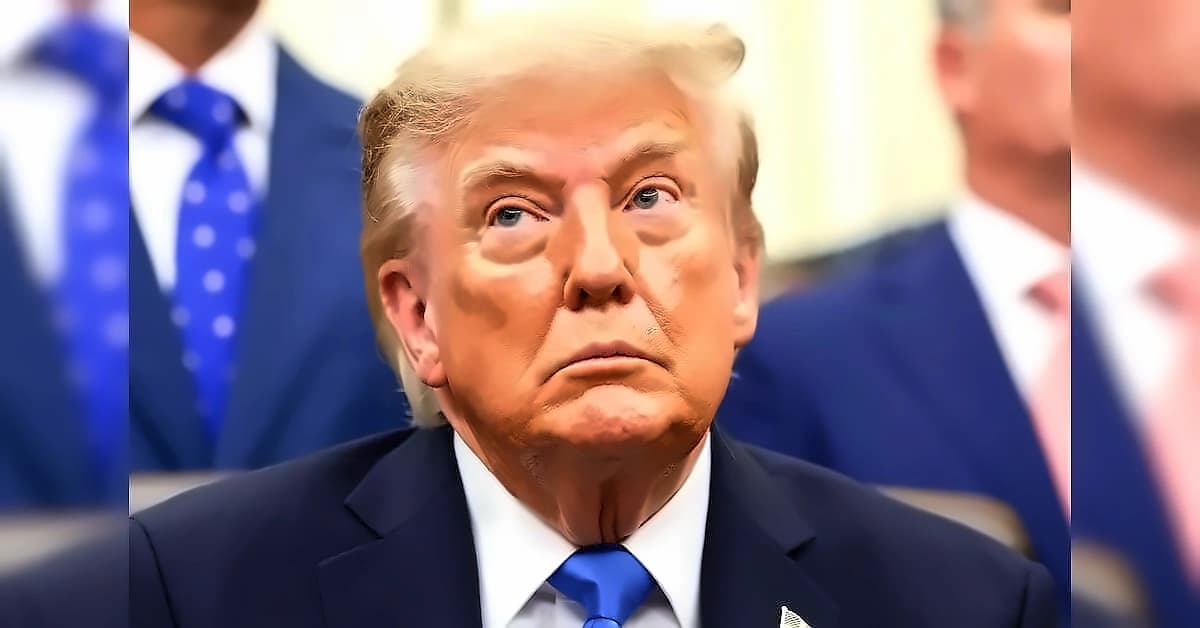
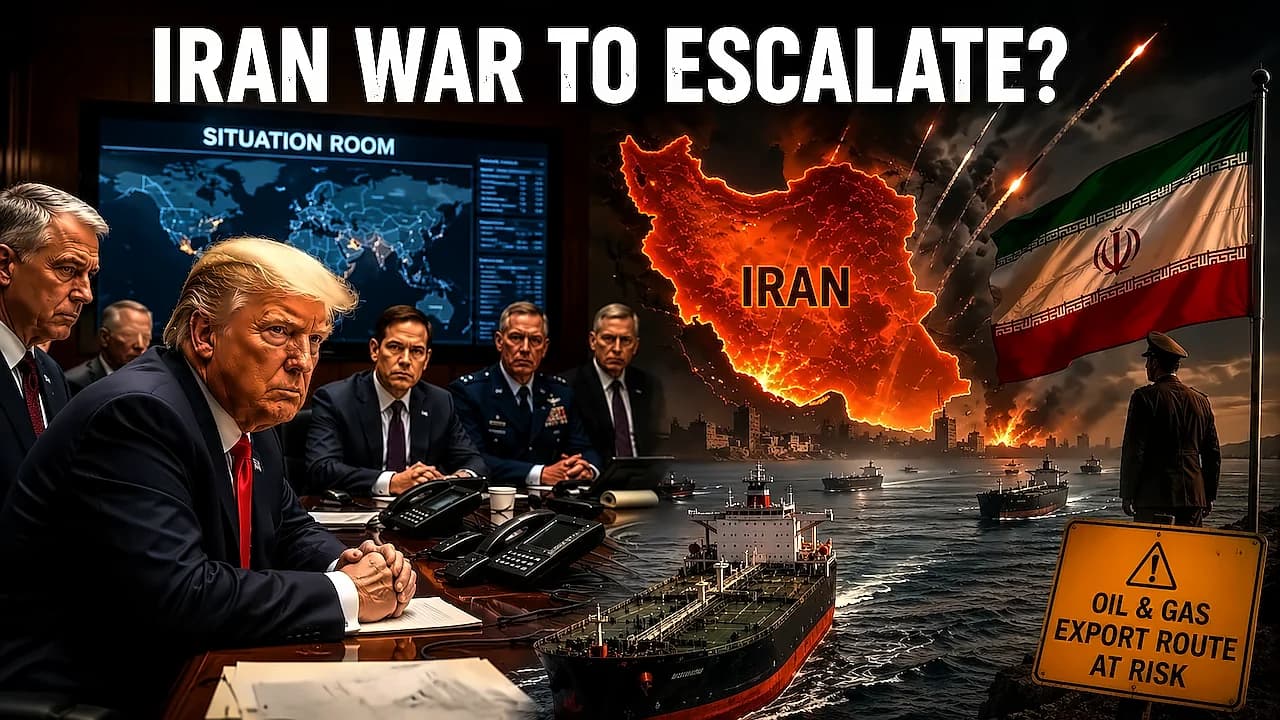
US President Donald Trump signaled on Wednesday that the end of the Iran war may be approaching, telling reporters 'Well, hopefully we are towards the end of the war.' According to Axios, Trump is expected to meet leaders or foreign ministers from six Gulf Cooperation Council states in New York next week to discuss US postwar plans. The meeting will include representatives from Saudi Arabia, the UAE, Qatar, Bahrain, Kuwait and Oman, with the discussions expected to focus on US plans for a postwar strategy. As reported by Axios, the report cited unnamed sources regarding the upcoming diplomatic engagement. Trump has offered shifting goals and timelines for the war that began on February 28 when the US and Israel attacked Iran and Tehran responded with its own strikes on Israel and Gulf states.
Trump introduced another option for Iran: staying engaged with the country. As reported by Reuters, he drew a parallel with the US deal in Venezuela, announced in August. 'We'll ultimately get out (of Iran), unless we decide to stay and keep the oil like Venezuela,' Trump said, while noting that the revenue generated by the United States from the South American country has 'paid for the war many times.' According to USA TODAY, Trump announced in August that the United States secured majority control of more than 65 billion barrels of Venezuela's proven oil reserves through a partnership with private business. Delcy Rodriguez, who became interim leader after the United States seized President Nicolas Maduro in January, welcomed the agreement, saying it would boost the economy and government revenue.
Trump has made specific predictions about oil price movements once the Iran conflict resolves. In a recent post on Truth Social, Trump stated that 'Oil will drop like a rock as soon as the Military Conflict with Iran is over.' He also pointed to oil prices, saying crude was higher during former President Joe Biden's presidency than it is now. According to Reuters, Trump stated that oil prices are currently an exception to broader price declines across the US, with the ongoing conflict driving crude prices up. Turmoil in West Asia has roiled oil markets, with oil traders expecting prices to rise again on Monday after an attack on a Saudi oil pipeline. The American Automobile Association (AAA) recently highlighted that the national average price of gas surged to a three-month high due to the ongoing conflict, with gasoline prices averaging $4.31 a gallon Sunday, up from $4.07 a month earlier and $3.19 a year ago. The closure of the Strait of Hormuz has also shaken global gas prices for months, with the average national price for a gallon of regular gasoline reaching $4.31 on September 13.
Iran has strongly rejected Trump's assertions about potential peace talks. As reported by Anadolu, Iran's Mehr News Agency rejected Trump's claims as 'absurd,' arguing that the US leader was attempting to justify mounting domestic economic problems fueled by the confrontation. The ongoing Iran war, now in its seventh month, has claimed the lives of 18 US servicemembers and triggered sustained volatility across global energy routes. Addressing questions regarding recent diplomatic engagements between Gulf nations and Tehran, the US president dismissed any personal concern. 'I don't care. That's up to them,' Trump said, before raising the possibility of maintaining an American presence to control regional energy resources. According to USA TODAY, many Americans are critical of the ongoing conflict in Iran, which has driven up gas prices. Trump has cited weakening Iran's nuclear capabilities as one of his war objectives, though Iran does not possess nuclear weapons and says its uranium enrichment program is for peaceful purposes.