Kuwait's military intercepted hostile drones targeting oil and power infrastructure on May 10, 2026, as the country endures repeated aerial incursions during what is supposed to be a ceasefire period in the broader 2026 Iran conflict. According to reports from Associated Press, Kuwait repeatedly came under fire from Iran and Iranian-backed Shiite militias in Iraq during the ongoing war. No one immediately claimed responsibility for the latest attack on the Gulf state, highlighting the ongoing security challenges in the region. The attack comes as Kuwait's Foreign Ministry has pointed directly at Iran and its proxies, calling the drone operations blatant violations of Kuwaiti sovereignty. The strikes, which Kuwait's Foreign Ministry attributed to Iran and its proxy networks, hit power generation facilities and oil infrastructure across the country. On Monday, Kuwait's Army announced that its air defences were currently confronting hostile missile and drone attacks, with the military advising citizens to adhere to security instructions. As per Business Standard, Kuwait informed that if explosion sounds are heard, they result from the air defense systems intercepting the hostile attacks.
The military intercepts represent part of a pattern of attacks that began on April 8, 2026, when Kuwait intercepted dozens of drones targeting oil installations and power stations. The scale of that attack, hitting critical energy infrastructure in a major Gulf producer, sent a clear signal about the vulnerabilities facing the region's economic lifelines. Earlier, in March, drone strikes injured 10 Kuwaiti soldiers and at least one civilian death has been attributed to the broader pattern of attacks. Kuwait's Defense Ministry and National Guard have documented damage to key installations across multiple sectors, with the military responding to each breach in accordance with established procedures. Kuwaiti air defenses intercepted multiple drones over several weeks leading up to the May 10 incident, demonstrating the persistent nature of the threat.
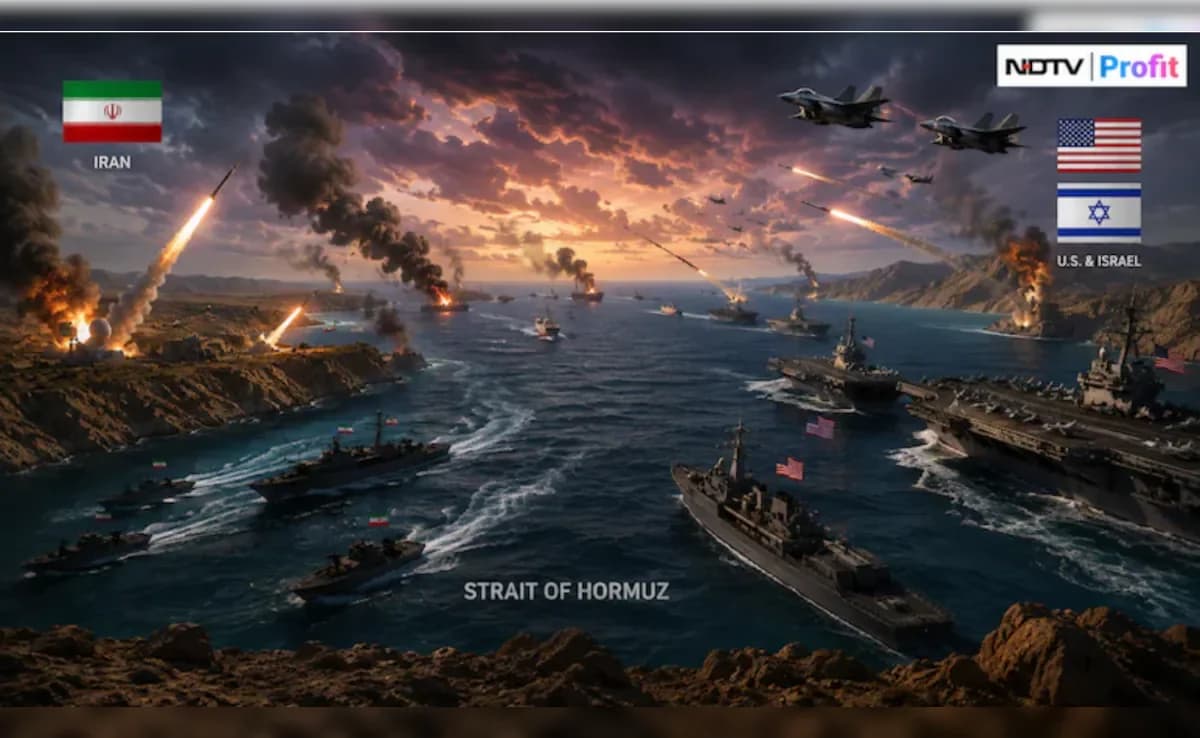
The attack comes after U.S. Central Command forces shot down four Iranian one-way attack drones that posed a threat around the Strait of Hormuz, according to U.S. officials who spoke on condition of anonymity. The U.S. military also struck an Iranian ground control station in Bandar Abbas that was about to launch a fifth drone, as reported by Associated Press. A fresh exchange of fire between the United States and Iran unfolded in the early hours of Thursday, May 28, 2026, threatening to unravel an already fragile ceasefire and drag the wider Gulf region into open conflict. Iran's Islamic Revolutionary Guard Corps (IRGC) announced that its forces had struck a US airbase at 4:50 a.m. local time, in direct retaliation for what it called American aggression near Bandar Abbas Airport. The IRGC statement, relayed by Iran's semi-official Tasnim News Agency, described the retaliatory strike as a 'serious warning' and vowed that any further American action would be met with a 'more decisive' response.
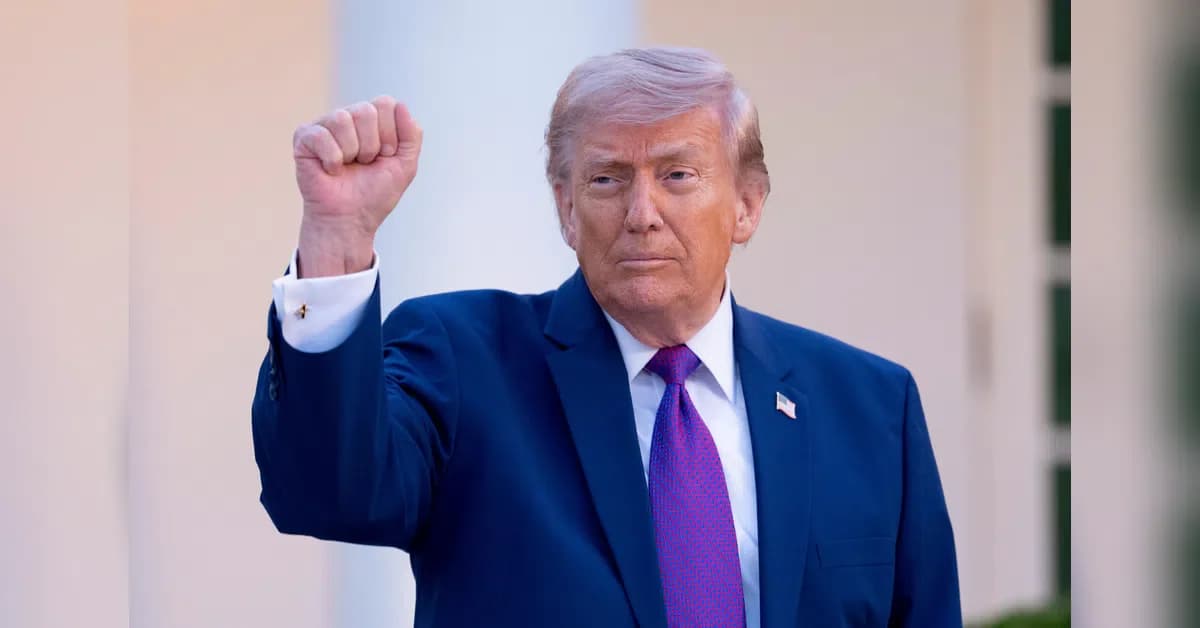
As the security situation continues to evolve in West Asia and the Gulf region, Kuwait's Foreign Minister Sheikh Jarrah Jaber Al-Ahmad Al-Sabah held a phone call with Qatar's Prime Minister and Foreign Minister Sheikh Mohammed bin Abdulrahman Al Thani to discuss regional developments and ways to enhance security and stability. Meanwhile, Iran has restored access to a significant portion of its underground missile infrastructure following months of excavation and repair work, highlighting the "limits to US bombing strategy" that was focused on sealing tunnel entrances, according to a news report by CNN. As developments follow, US President Donald Trump has requested further amendments to a proposed agreement with Iran aimed at prolonging a ceasefire, with the newest draft incorporating a 60-day cessation of hostilities, measures to unlock the Strait of Hormuz, and a framework to resume negotiations on Iran's nuclear programme. However, an official agreement has not yet been declared, with a high-level White House session held on Friday concluding without definitive resolution. Trump signalled that blocking Iran from engineering nuclear armaments continues to be a core element of the potential pact, asserting during a broadcast interview on Fox News that "The one guarantee that I have to have is that there will be no nuclear weapons."
The escalating tensions have significant implications for global financial markets, with Brent crude repeatedly surging above $100 per barrel during the conflict and U.S. gasoline prices climbing sharply. According to Investing.com India, one-fifth of global petroleum liquids consumption moves through the Strait of Hormuz, making prolonged disruption particularly economically damaging. Oil markets reacted predictably, with Brent crude pushing higher after reports of explosions near Bandar Abbas, reinforcing concerns that disruptions to Gulf shipping routes remain a credible risk. From a technical standpoint, the S&P 500 futures have moved above the 161.8% Fibonacci extension of the sell-off that began in late January, with the projection lying near the 7,470 area. While the index is now above this level and moving past the 7,500 mark, technical analysts note that valuations and positioning appear increasingly stretched over the short term. The RSI is in a state of negative divergence, making a lower high at overbought levels of around 70, despite the underlying index making a higher high, pointing at potentially weakening rally momentum.