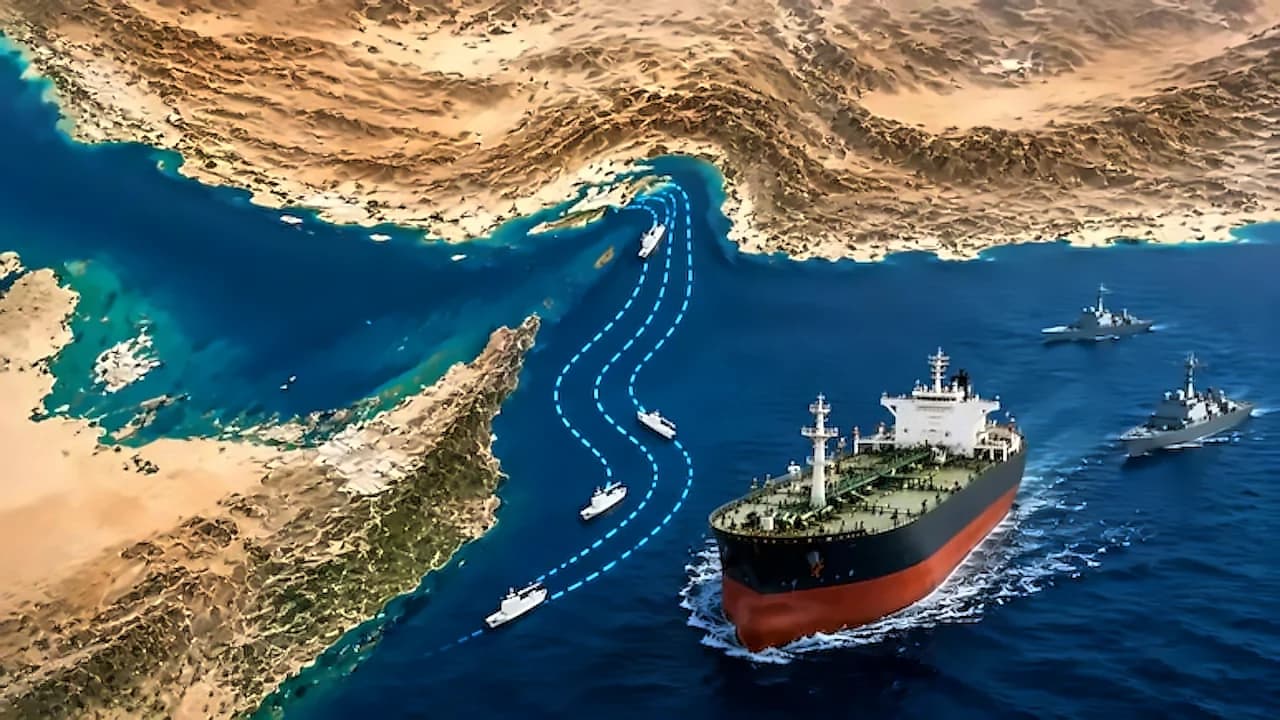
The United Arab Emirates has officially blamed Iran for the missile attack on an Abu Dhabi National Oil Company (ADNOC) tanker in the Strait of Hormuz, marking the first time authorities have publicly named a suspected culprit for strikes on vessels transiting the world's most critical oil chokepoint. According to ndtv.com, the UAE's formal condemnation raises the diplomatic stakes and signals the strikes are being treated as deliberate rather than incidental. The incident occurred in the early hours of Saturday and no injuries were reported, with the situation brought under control. The UAE Foreign Ministry condemned what it called 'the hostile Iranian attack that targeted a tanker belonging to ADNOC with a missile while it was transiting the Strait of Hormuz.'
The latest attack represents a cluster of incidents concentrated in one week, with three vessels hit this week while transiting the Strait of Hormuz, according to Bloomberg reports. This pattern signals elevated risk along a route that a large share of global oil supply depends on every single day. The Strait of Hormuz carries roughly a fifth of global oil supply and serves as the single most important transit point for seaborne crude and refined-product exports from the Middle East. ADNOC confirmed that over a dozen of its vessels have been struck by missiles or drones since the war began, with three of those hits coming this week alone. The attacks have resulted in one crew member being killed and 20 others injured, as confirmed by ADNOC.
ADNOC said the attacks are having a 'significant impact' on operations as the company tries to keep crude, gas and refined products moving through the Strait of Hormuz. Repeated strikes have disrupted traffic, driven freight costs sharply higher and made some shipowners reluctant to enter the Persian Gulf. The UAE is one of the few Gulf producers to restore exports near pre-war levels, leaning on Fujairah loading points outside Hormuz, but escalating attacks threaten even that resilience. The market typically responds to such incidents by moving crude prices based on three key factors: confirmation of which vessels were hit, whether tanker operators reroute or demand higher war-risk insurance premiums, and any official response from Gulf states or naval forces operating in the region.
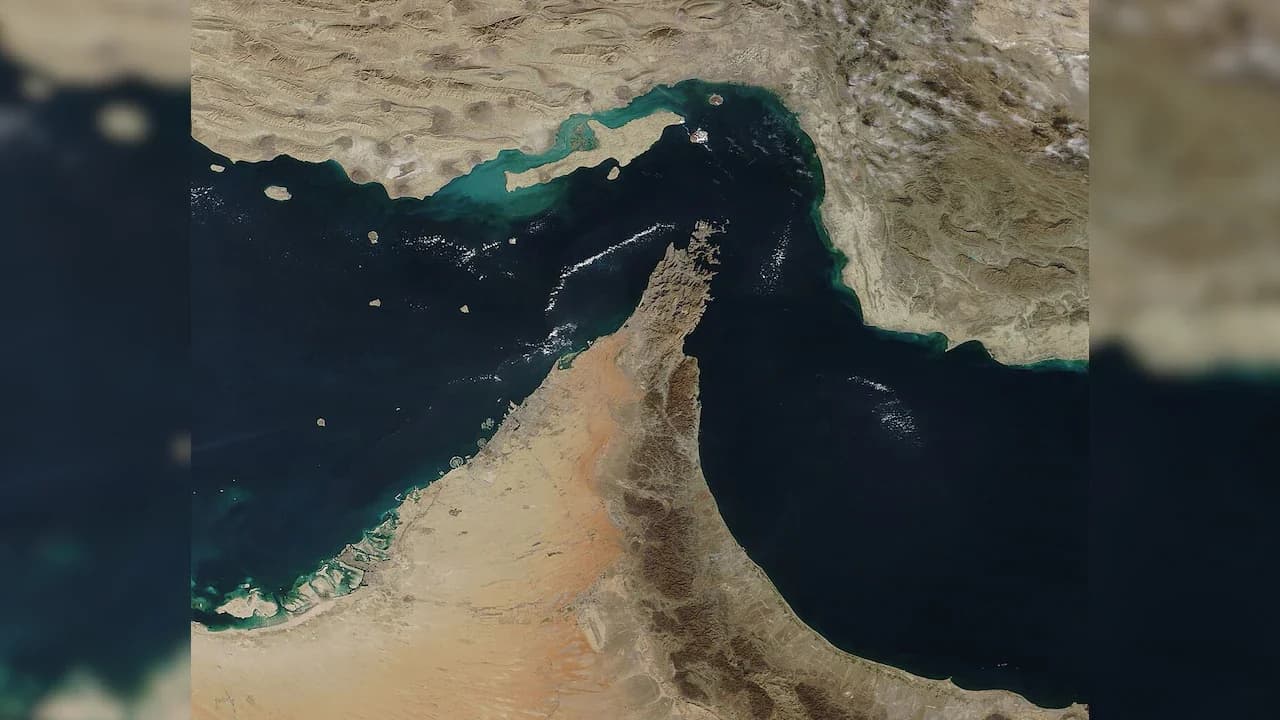
The naming of Tehran as the aggressor increases the risk of escalation, higher war-risk insurance premiums, and rerouting that could tighten crude availability. As reported by Kingdom Exploration, the UAE's attribution of the attack to Iran raises the stakes considerably, given that roughly a fifth of global oil supply passes through Hormuz. The Strait of Hormuz is the pressure point of the global oil market with no easy overland alternative for most of that volume. The market cares less about the exact damage to three ships and more about whether this becomes a repeatable pattern that could reprice crude as a supply-security story.