The US military has reported destroying two small Iranian boats this week that attempted to steal a US unmanned surface vessel in waters off Iran. According to US Central Command spokesman Capt. Tim Hawkins, the Iranian boats "recently attempted to take possession of a US unmanned surface vessel" but failed after the military "forcefully responded." The incident involved a Saildrone - a small, roughly 25-foot craft that can operate independently and has been used by US Central Command for several years to surveil maritime traffic in the region. Hawkins confirmed that all of the command's surface drones remain fully accounted for.
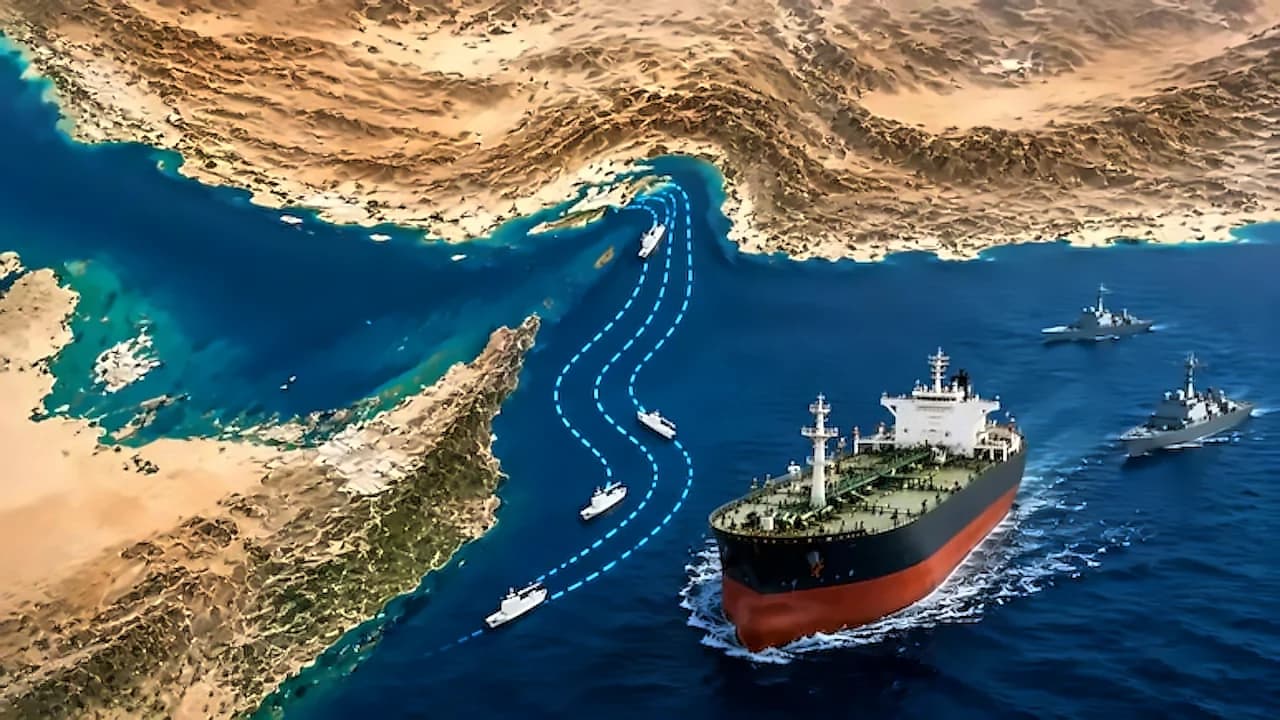
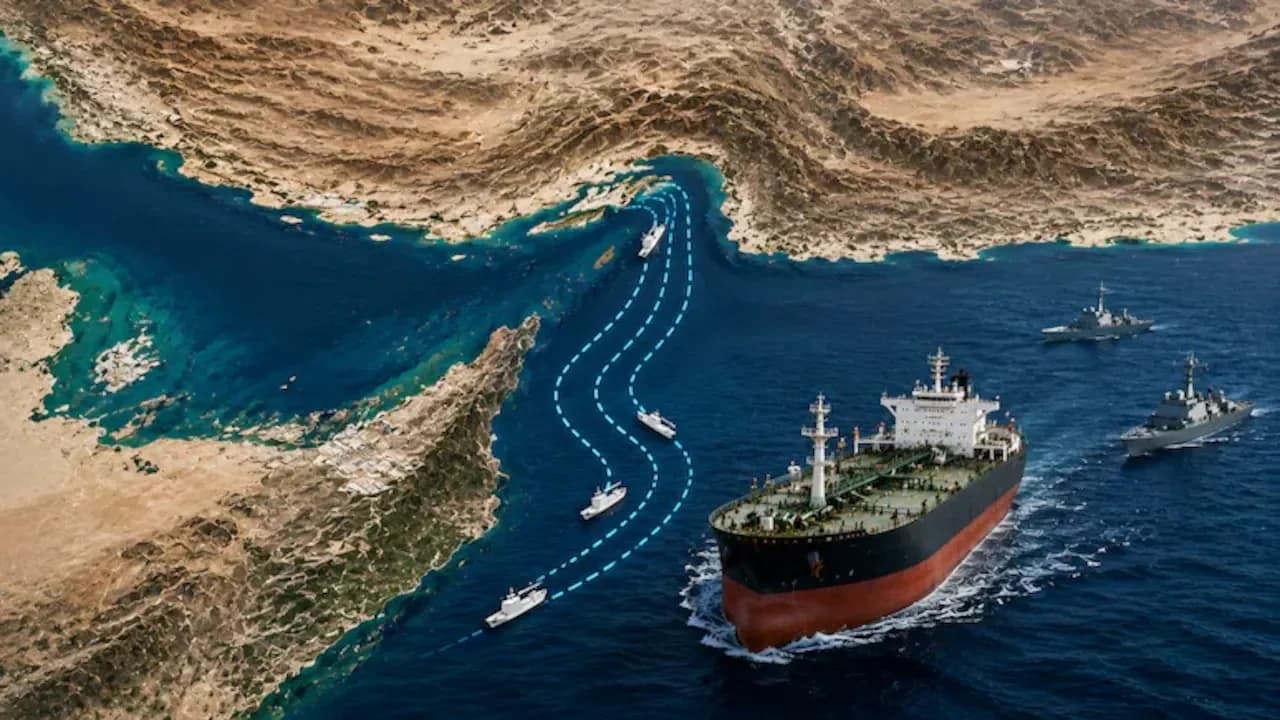
Iranian forces have attacked a US-contracted vessel near the strategic Strait of Hormuz using a drone and missile, according to reports from social media sources. The attack involved four Iranian drones and at least one missile, as reported by Fox News Chief Foreign Correspondent Trey Yingst citing sources. One of the projectiles struck the vessel, causing minor injuries including cases of smoke inhalation, with the injured personnel currently receiving treatment in a Gulf country. The sources also confirmed that some US personnel were onboard the vessel at the time of the attack, adding to the seriousness of the incident. The strike occurred amid persistent high tensions between Washington and Tehran following months of active military conflict, with hostilities commencing on February 28, 2026. The targeting of a commercial vessel linked to the United States suggests a shift from harassment to more direct military engagement, raising tensions in the region further.
Market pricing suggests a higher likelihood of US military action against Iran, with invasion odds rising from 16% to 17.5% following the latest attack. The incident may indicate a shift in Iranian strategy towards more aggressive actions against US-linked maritime assets. Observers will be closely monitoring US and Iranian military responses to this escalation, with any formal announcement from the Pentagon or statements from President Trump potentially further influencing market perceptions of a potential US invasion. Additionally, diplomatic movements involving ceasefire discussions or negotiations over the Strait of Hormuz could alter the current trajectory of tensions.
The latest incident represents a significant escalation in regional tensions, with the US military reporting increased attacks from Iranian-backed forces. Iranian state media reported Monday that a pair of fishing boats came under attack in Hormozgan province on Iran's southern coast, with several fishermen reported missing according to provincial officials. The Strait of Hormuz serves as a critical global choke point, normally managing approximately one-fifth of worldwide petroleum and liquefied natural gas shipments. The ongoing conflict continues to impact energy markets and economic stability, with the US having previously dismissed Iranian reports of vessel strikes as "a total lie," but recent developments show both sides continuing military operations in the critical energy shipping corridor.
The ongoing conflict continues to impact energy markets and economic stability. The Congressional Budget Office reports that the war has cost the Pentagon more than $38 billion through August 1 and will cost up to $3 billion a month depending on conflict intensity. The fighting has contributed to inflation into the first quarter of next year, according to the CBO. US Energy Secretary Chris Wright acknowledged that the war has "taken some energy resources out of the marketplace," with oil flows through the Gulf having increased to about 18 million barrels flowing out yesterday, basically pre-conflict levels. However, the conflict has also disrupted energy markets and shipping through the Gulf, posing political problems for President Trump ahead of November's congressional midterm elections.