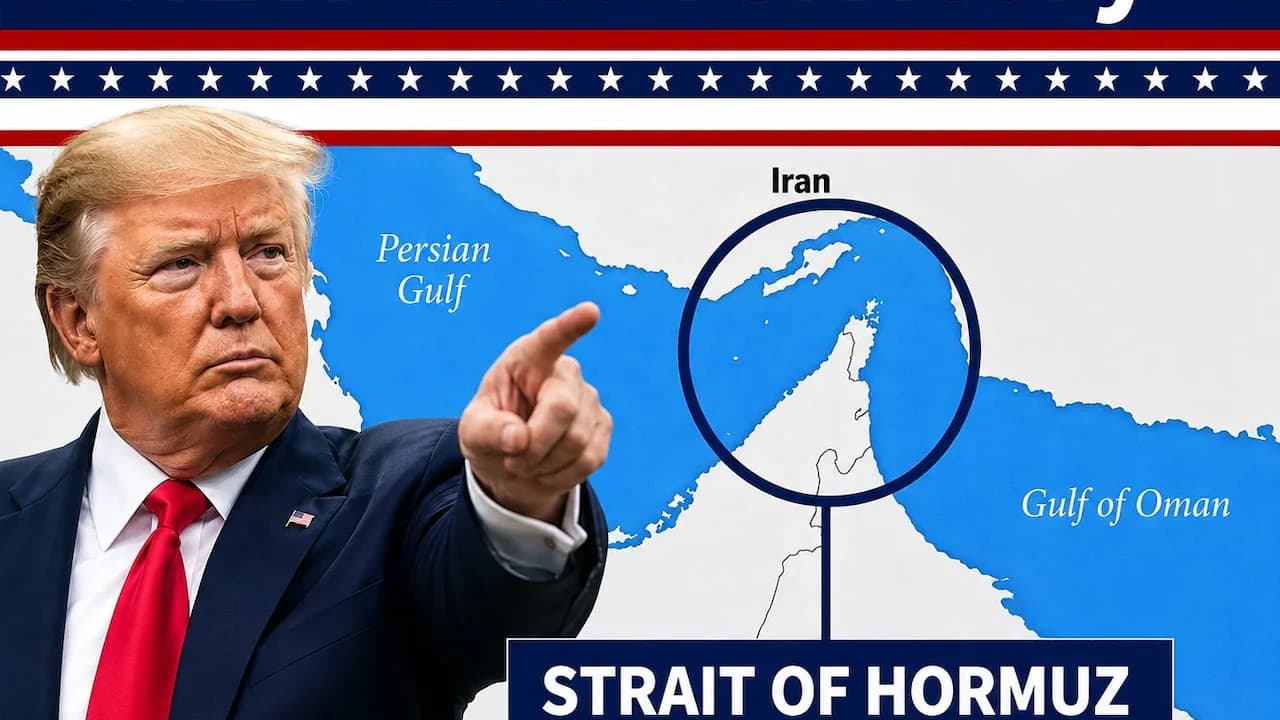
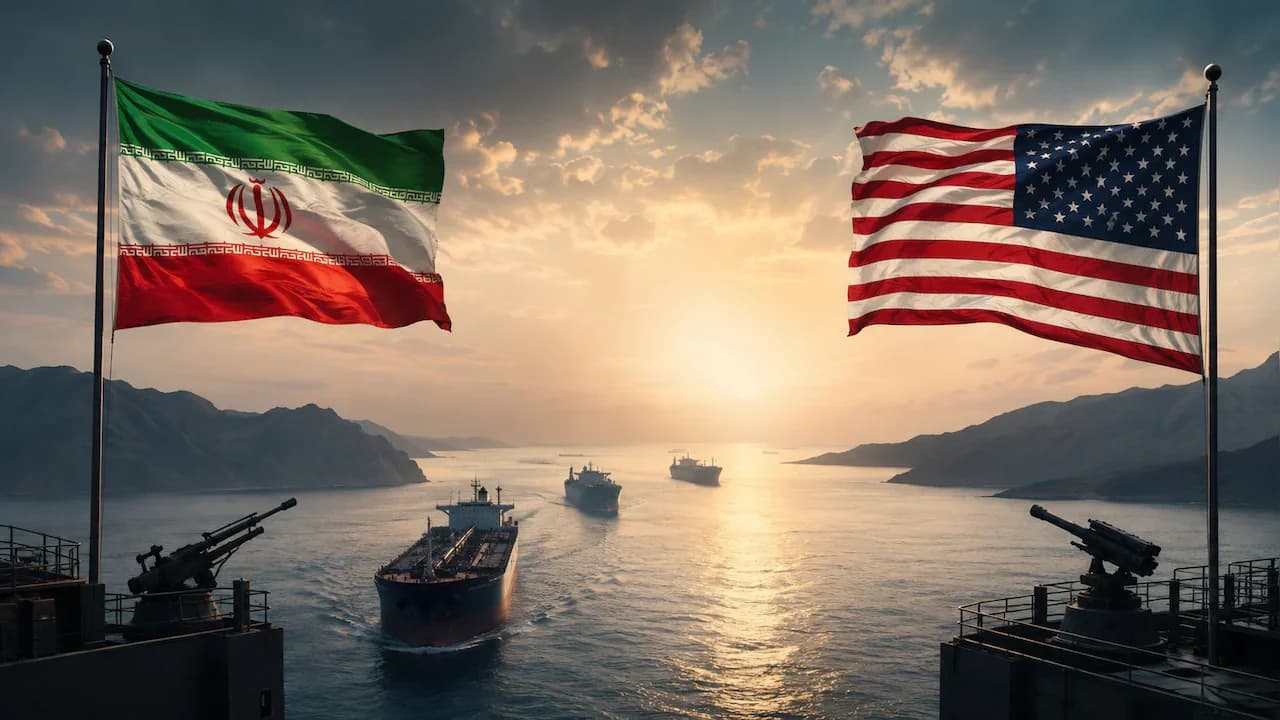
US intelligence agencies have revealed that Iran has acquired the ability to shut the Strait of Hormuz at will following recent military operations, according to sources speaking to CNN. The assessment, released on Wednesday, indicates that Iran's ability to disrupt global energy flows through the critical waterway remains a significant concern regardless of any potential framework agreement. This development represents a fundamental shift in Iran's strategic capabilities in the region, with US officials believing Iran demonstrated during the conflict that it can effectively halt traffic through the Strait of Hormuz and may be willing to employ similar tactics again if tensions escalate.
Iran has effectively become what sources describe as the US's Achilles heel by learning to leverage strikes on Gulf countries' energy infrastructure, as reported by CNN sources familiar with the intelligence assessment. The sources emphasized that Iran had struck US bases in neighboring countries that were meant to serve as safety guarantors by the US. One source familiar with US intelligence assessments told CNN: 'We have now handed Iran de facto control over the strait - a weapon more powerful than any nuke.'
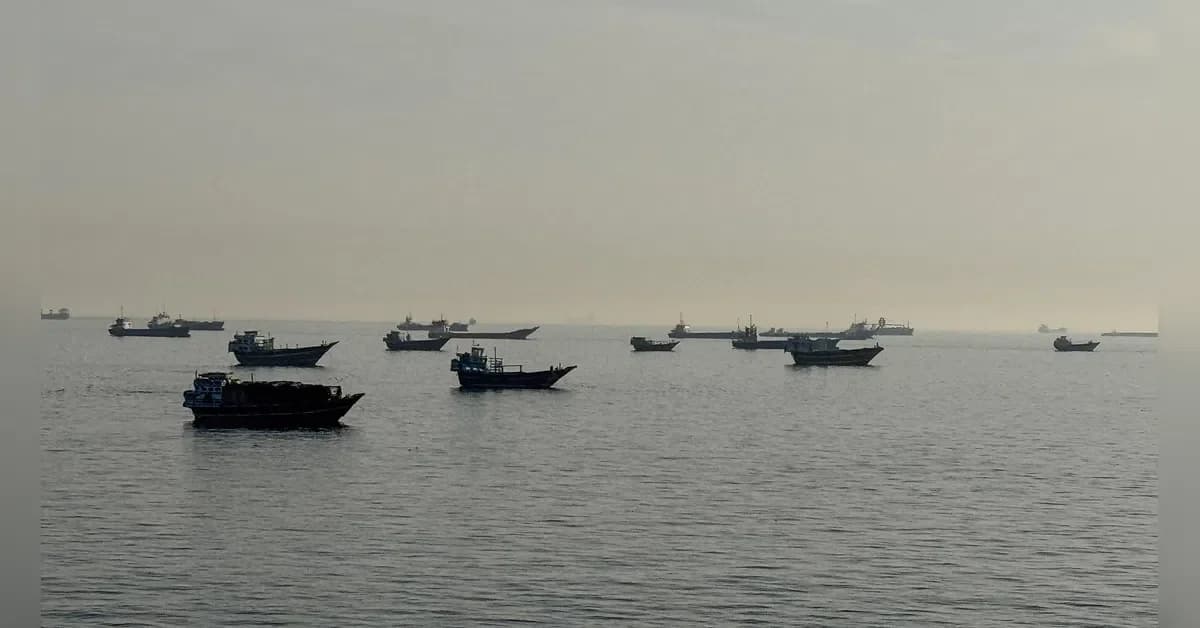
The intelligence assessment reveals that Iran's ability to hurt the economy using the critical waterway can crop up again regardless of the framework agreement to be signed on Friday, according to the CNN report. US Vice President JD Vance outlined the framework's key provisions, stating that it prohibits Iran from having nuclear weapons, ensures the Straits of Hormuz remain open, and offers benefits to Iran if it behaves. However, uncertainty over the agreement's contents and other risks are likely to keep traffic through the strait to a trickle for weeks or months, according to shipping industry officials. Even as Washington and Tehran move toward formally signing a framework agreement aimed at reopening the Strait of Hormuz, US intelligence agencies have concluded that Iran now possesses the capability to disrupt the strategic waterway whenever it chooses.
Senator Kevin Cramer has clarified that the reported Iran deal represents an MOU (Memorandum of Understanding) rather than a treaty, emphasizing the importance of congressional review and a vote for the deal's durability. As reported by multiple sources, Cramer stated that while the agreement does not require full Senate approval, it would benefit from congressional oversight to ensure long-term effectiveness. This clarification comes as lawmakers assess the implications of the framework agreement on US foreign policy and regional stability.
US President Donald Trump announced on Tuesday that he would publicly release the agreement text 'in a couple of days' and even floated reciting the entire document in front of cameras, as reported by CNN. The President indicated he is waiting for a 'formal setting' before revealing it publicly, stating during a meeting with UAE President Mohamed bin Zayed Al Nahyan: 'I'd like to get a formal setting first before we do that, but I have no problem with that. It's a great document.' Trump emphasized that 'Here's what it says: Iran will never have a nuclear weapon.'