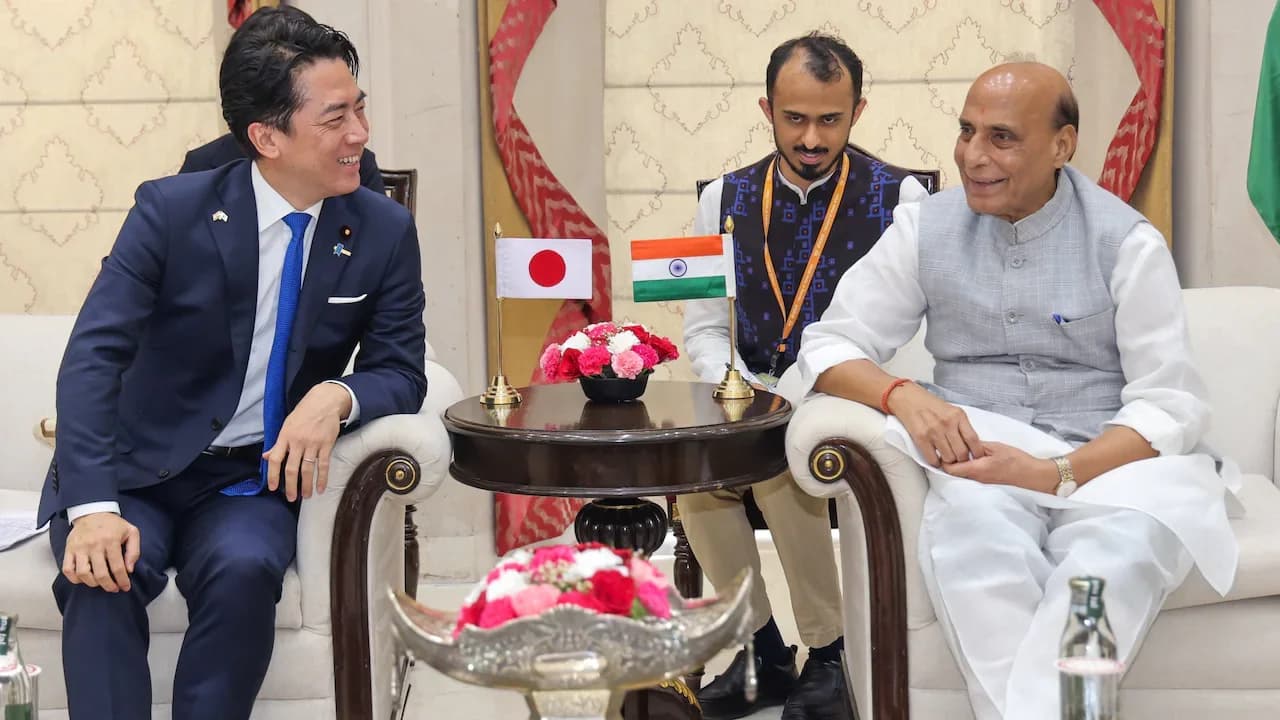
India and Japan on Thursday sealed a comprehensive pact to bolster their maritime security ties and vowed to synergise military cooperation to realise a free and open Indo-Pacific. According to reports from PTI, Defence Minister Rajnath Singh and his Japanese counterpart Shinjiro Koizumi expressed their strong opposition to any unilateral actions that impede freedom and safety of navigation and overflight, as well as attempts to change the status-quo by force or coercion. The remarks are seen as directed against China as both India and Japan are concerned over Beijing's offensive military posturing in South and East China seas. As per PTI, the two ministers affirmed their commitment to further deepen defence cooperation to realise a free and open Indo-Pacific, with the joint statement noting that they concurred on the importance of sharing assessments of the regional and international security environment between the two countries at a time of heightened global tensions.
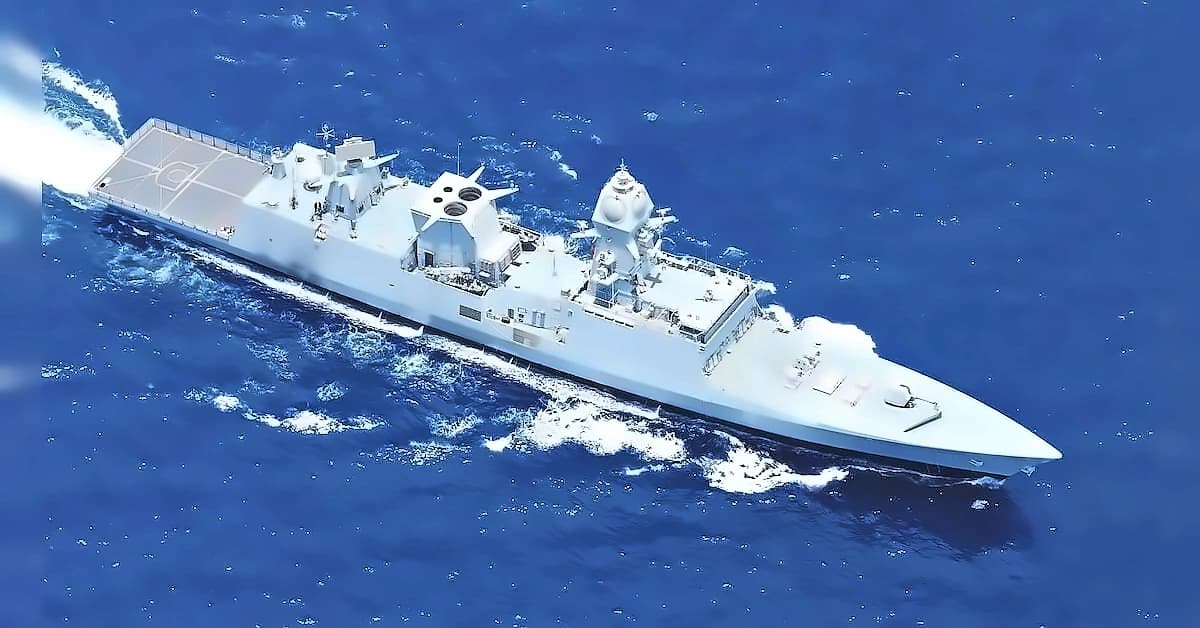
The two defence ministers signed the Memorandum of Arrangement (MoA) on maritime security cooperation that provides a framework for further advancing ties in the field of maritime security. As reported by PTI, the agreement includes the strengthening of cooperation between the Japan Maritime Self-Defense Force and the Indian Navy, including information sharing in the field of maritime domain awareness as well as enhanced cooperation in areas such as search and rescue. According to the joint statement, Singh and Koizumi agreed on moving swiftly to realise concrete maritime security cooperation that serves both countries' strategic and operational needs. They agreed to maximise synergies to enhance mine countermeasures capabilities and explore the possibility of joint development in naval shipbuilding and design by leveraging Japan's technological expertise and India's production capabilities. The two countries will also establish a working group to advance cooperation in an integrated manner, across the operational, intelligence, equipment, technology and industrial domains, while fully respecting each country's respective policies and sovereign choices.
The two ministers concurred on promoting exchanges between their respective special operations forces and pursuing cooperation with India's integrated theatre commands following their establishment. According to the joint statement reported by PTI, they affirmed that they would strengthen coordination between both sides for the protection of sea lines of communications through mutual visits by naval ships and units, joint exercises, personnel and subject matter expert exchanges and logistical support including use of ports, maintenance and repair facilities. Such cooperation is vital not only to Japan and India, but also to the region and the international community. The fourth Japan-India foreign and defence ministers' meeting is expected to take place in Tokyo later this year.
Singh welcomed Japan's recent review of its framework for the transfer of defence equipment and technology, and expressed his expectation that Japan would further contribute to peace and stability in the Indo-Pacific region and the wider world. He particularly expressed his expectations for the further deepening of the defence and technology partnership between the two countries. The two ministers shared the view that the project concerning the shipborne UNICORN integrated communications antenna system, as the first defence equipment transfer project between the two countries, represents a symbol of transfer of defence equipment and technology. They affirmed their commitment to working together towards the early realisation of the project. According to PTI, Singh and Koizumi shared the view that both sides should leverage each other's strengths in the field of defence shipbuilding and related areas, and deepen discussions on Japan's use of India's production capabilities under the framework of 'Make in India' initiative.
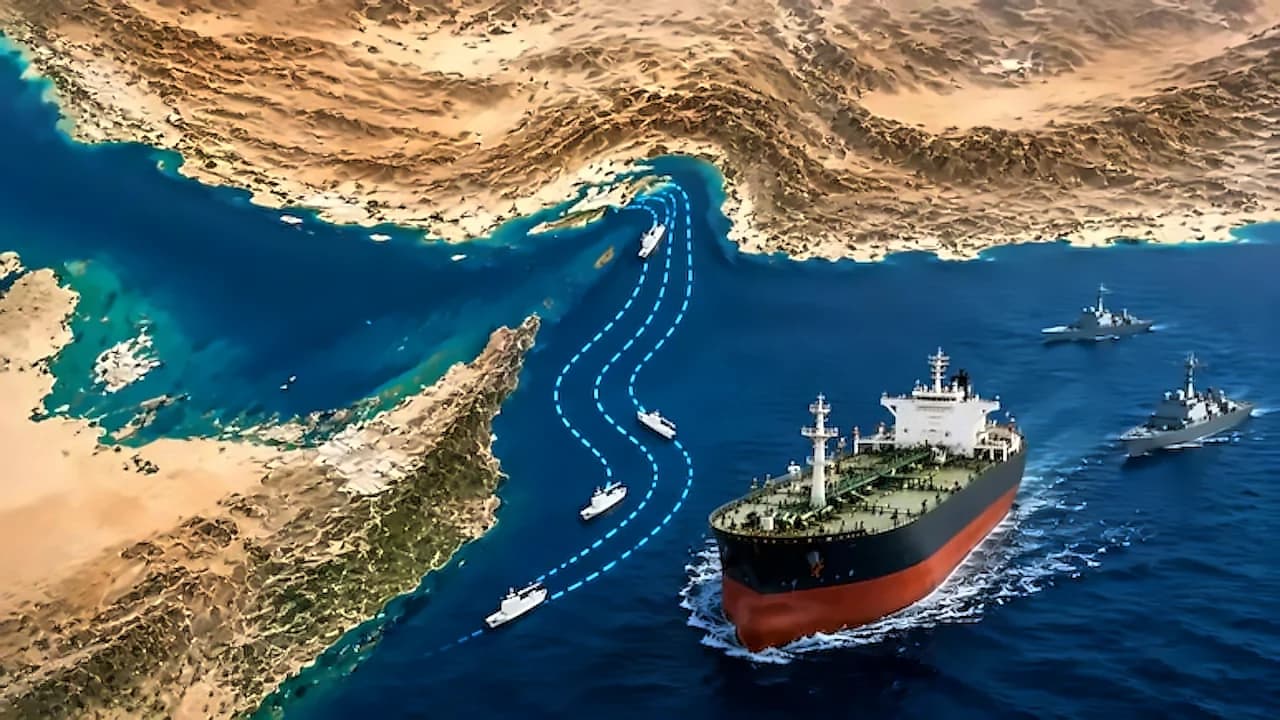
At Thursday's bilateral meeting, Singh and Koizumi also discussed sharing assessments of the regional and international security environments amid heightened global tensions. As per PTI, they addressed the war in West Asia and the US and Iranian blockades and counterblockades of the Strait of Hormuz that have pushed up global oil prices and closed off shipping lanes. US President Donald Trump recently said on Truth Social that he would soon declare the strait a US territory, while Iran reacted by saying it controls chokepoints in the narrow waterway. The ministers expressed their strong opposition to any unilateral actions that impede freedom and safety of navigation and overflight, as well as attempts to change the status-quo by force or coercion, without directly naming any country.
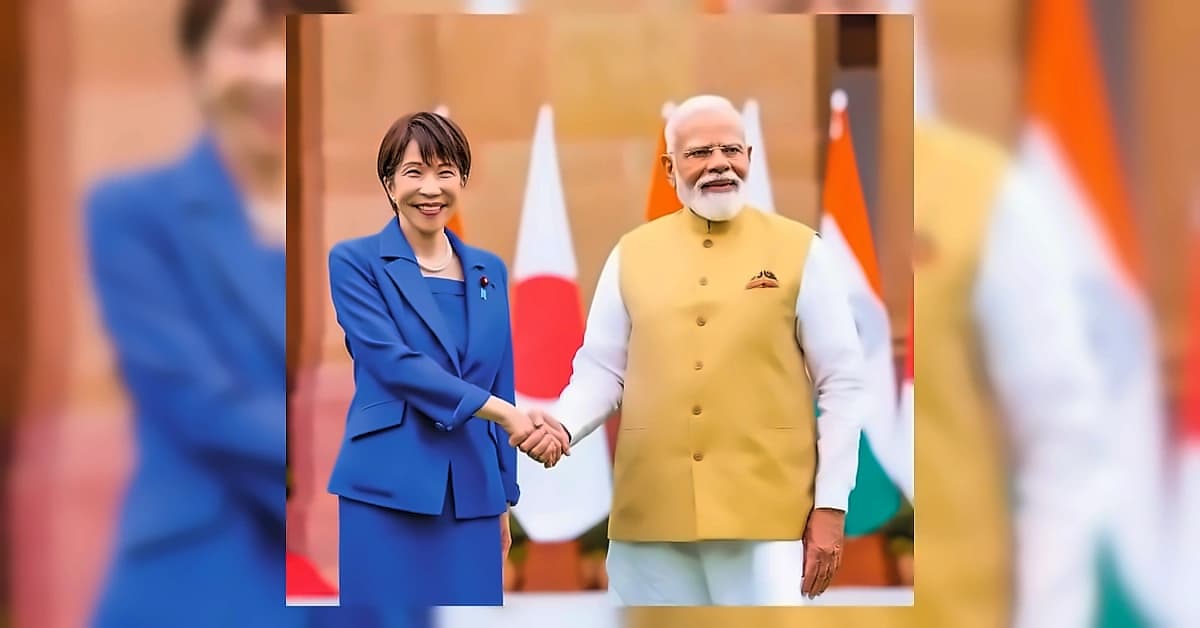
The bilateral cooperation comes within the broader context of the Quadrilateral Security Dialogue (Quad), which includes Japan, India, the United States and Australia. According to PTI, while the Quad's critics have questioned the grouping's relevance, especially as the US's attention seems to turn away from Asia, India, Japan and Australia continue to collaborate. The grouping, formally created some time after the Indian Ocean tsunami of 2004, has not held a summit since 2024 but announced a maritime agreement earlier this year. Prime Minister Narendra Modi met Prime Minister of Japan Sanae Takaichi in New Delhi in July, where they spoke about deepening ties to realise the mutual goal of a free and open Indo-Pacific region.