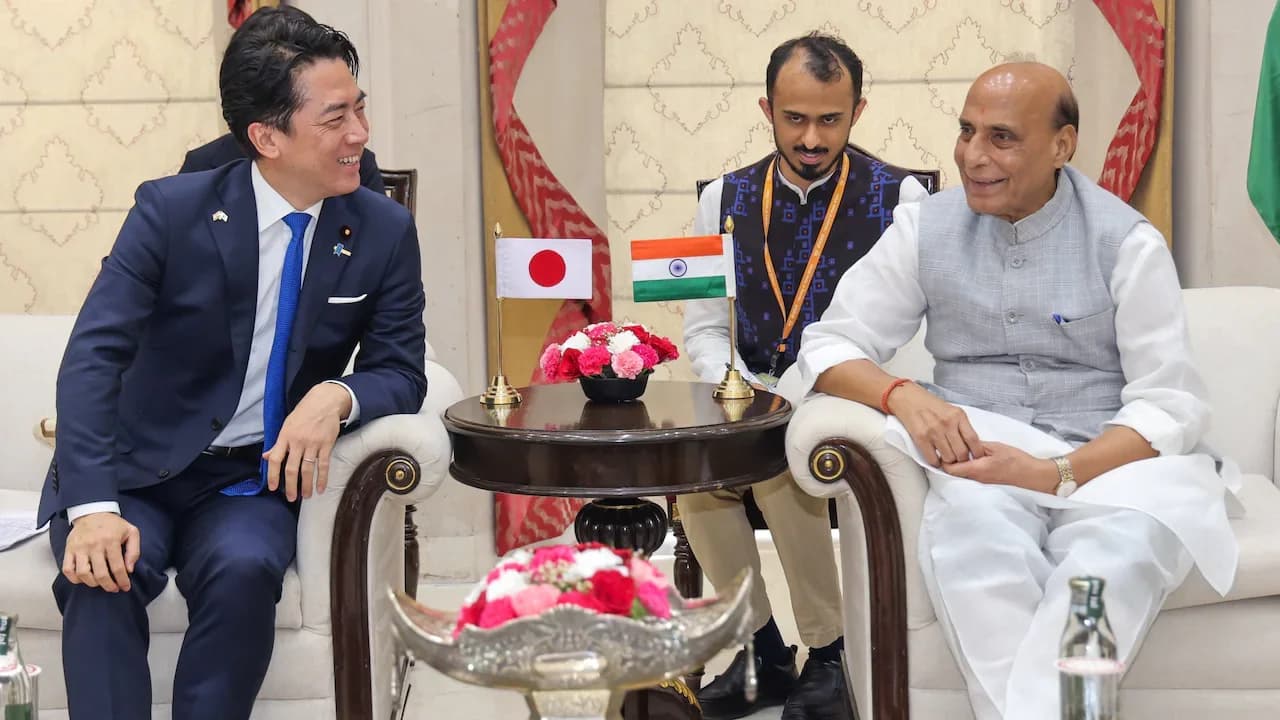
Defence Minister Rajnath Singh emphasized the critical importance of maritime security during his historic visit to Sri Lanka, becoming the first Indian defence minister to visit in 38 years. Speaking at a public event in Colombo, Singh stated that secure sea lanes, freedom of navigation, respect for international law, and unhindered maritime trade should remain pivotal priorities as they are crucial for the growth and prosperity of South Asia. The minister highlighted that India and Sri Lanka are well positioned to serve as the closest partners in safeguarding peace, security and stability across the Indian Ocean Region. Singh noted that Indian and Sri Lankan ports can become engines of shared economic growth, while their maritime industries can become drivers for future regional prosperity.
India's maritime infrastructure faces critical vulnerabilities as the ongoing US-Iran conflict has demonstrated. According to reports from Business Standard, nearly 95% of India's trade by volume and about 70% by value moves by sea, making it critical for the country's economic growth. The Strait of Hormuz crisis has highlighted this dependence, with commercial traffic falling by 90% per day against a pre-crisis baseline of 88-130 vessels. India imports approximately 60% of its liquified petroleum gas (LPG) requirement, with 90% coming through the Strait of Hormuz, creating both economic and domestic concerns as it impacts most households. Recent developments show that attacks on commercial vessels since late 2023 have forced shipping companies to reassess the security and economic viability of one of the world's principal maritime corridors, with the International Maritime Organization recording dozens of attacks linked to wider Mideast conflicts.
Singh outlined comprehensive maritime cooperation initiatives during his visit, emphasizing that India and Sri Lanka can establish a joint maritime HADR system involving all concerned agencies, disaster management and scientific organisations to provide rapid response in cases of natural calamities and man-made disasters. The minister foresees a future where the two countries move forward as joint stakeholders in developing a mutually beneficial and integrated maritime domain awareness system to provide comprehensive maritime information on a real-time basis. This would entail systematic cooperation and interaction amongst concerned agencies, navies and Coast Guards of both countries with a view to addressing challenges of illegal fishing, suspicious vessel tracking, narcotics trafficking, smuggling, terrorism and other security threats. Singh noted that maritime cooperation should include institutionalized structures for deepening economic frameworks in areas including fisheries and aquaculture, marine biotechnology, ocean science, maritime environment protection and preservation, and maritime tourism.
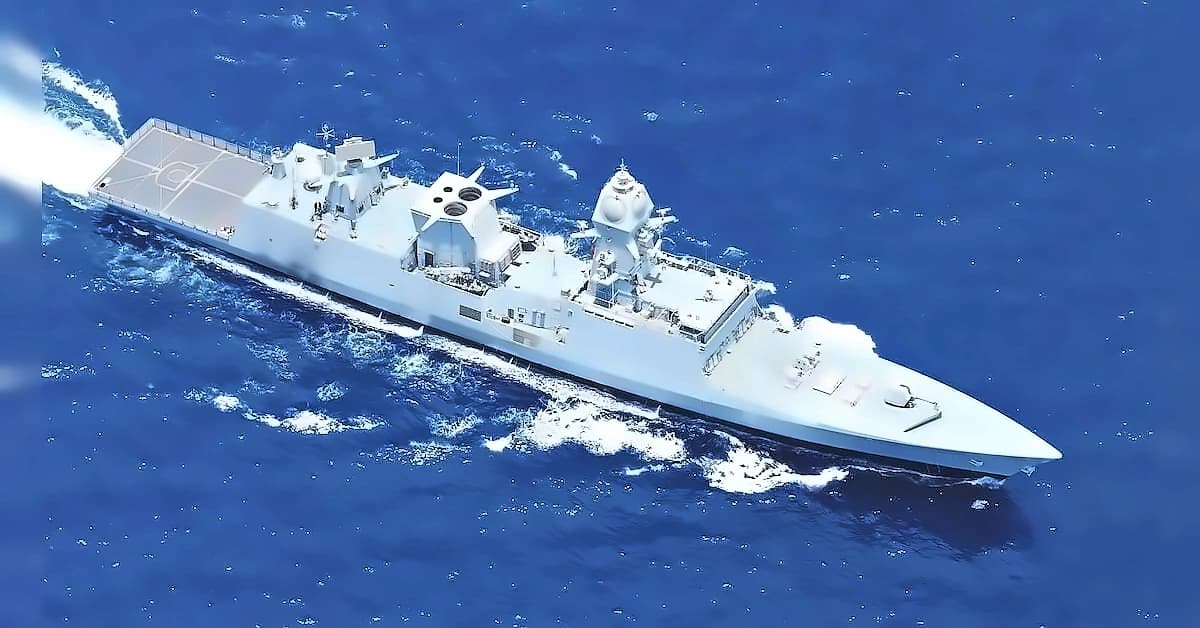
The Indian Navy has made significant modernisation progress despite challenges. According to reports from Business Standard, the navy inducted 12 warships in 2025 and is set to induct 15 this year, setting a new benchmark. Navy Chief Admiral Dinesh K Tripathi stated that the navy is on-track to become a 200-plus ship force by 2035, with 50 vessels currently on order all being built in Indian shipyards. The navy has seen a quiet all-round transformation with sustained efforts in numbers, technology absorption, indigenisation and building long-term partnerships, currently operating with over 140 ships and submarines.
China's naval expansion significantly outpaces India's progress. As reported by Business Standard, China's People's Liberation Army Navy operates over 370 ships and submarines, with the PLAN commissioning its third and most powerful carrier, the 80,000-ton Type 003 Fujian in November 2025. The new entity CSSC became the world's largest shipbuilder with a 17% share of the global market and total revenue of about $18 billion, with an order book for over 530 vessels totaling 54 million deadweight tonnes. China's underwater fleet includes 72 submarines in 2026, with projections to reach 80 units by 2035. The traditional "Malacca dilemma" captures China's exposure to Southeast Asia's Strait of Malacca, where disruption could impose high economic costs on Beijing and expose vulnerabilities of China's maritime-dependent economy.
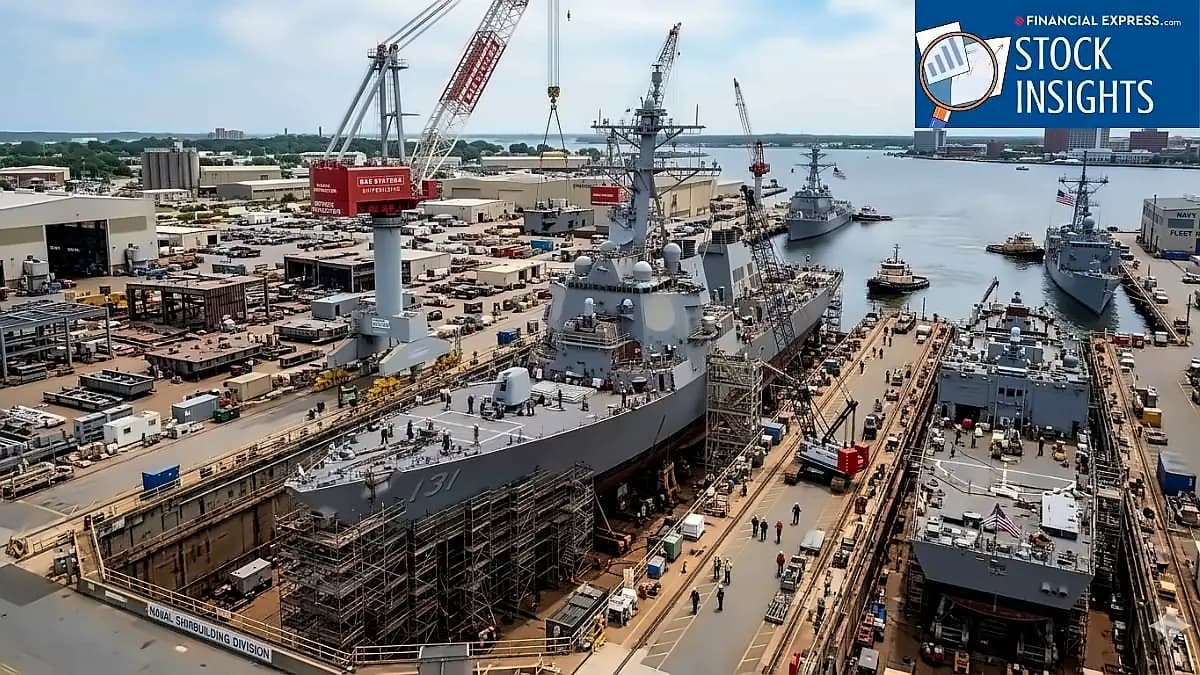
India's shipbuilding sector faces significant challenges compared to China's industrial scale. According to reports from Business Standard, India owns just 1,526 ships (about 1.2% of the global shipping fleet) and has only 0.06% market share in the global shipbuilding market. In contrast, China's CSSC built more commercial vessels by tonnage in 2024 than the entire US shipbuilding industry has built since the end of World War II. The Economic Survey 2022-23 identified shipbuilding as strategically important, noting it has a 6.48 employment multiplier and generating mass employment in remote, coastal and rural areas. The Union Government has rolled out a comprehensive package of ₹69,725 crore to revitalize India's shipbuilding and maritime ecosystem.