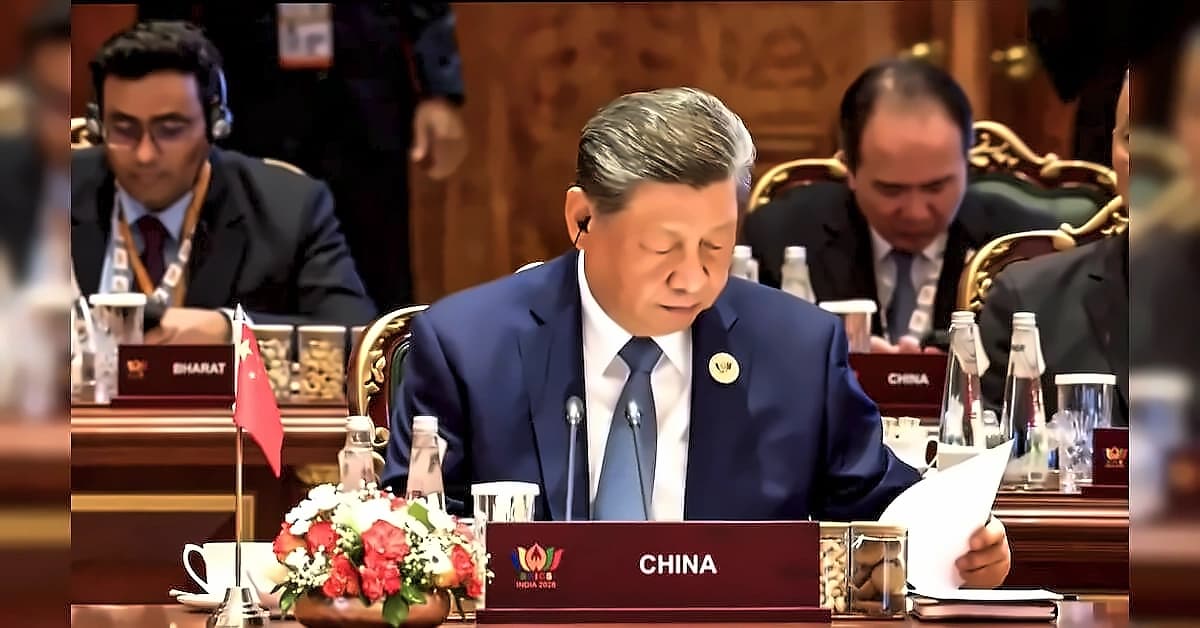
The India-hosted Brics summit in September 2026 produced a joint statement right at the start of the two-day gathering of the 11-member grouping's leaders. According to reports from Business Standard, the 45-page 'New Delhi declaration' covered many paragraphs on geopolitics, including about other major hotspots, but notably omitted mention of the Russia-Ukraine war. This omission, while not unexpected due to Russia's founding membership status, still raised eyebrows in Western diplomatic circles in New Delhi. The summit also managed to produce a unanimously adopted statement expressing concern about the conflict in West Asia, involving the United States, Israel and Iran, without naming any specific parties.
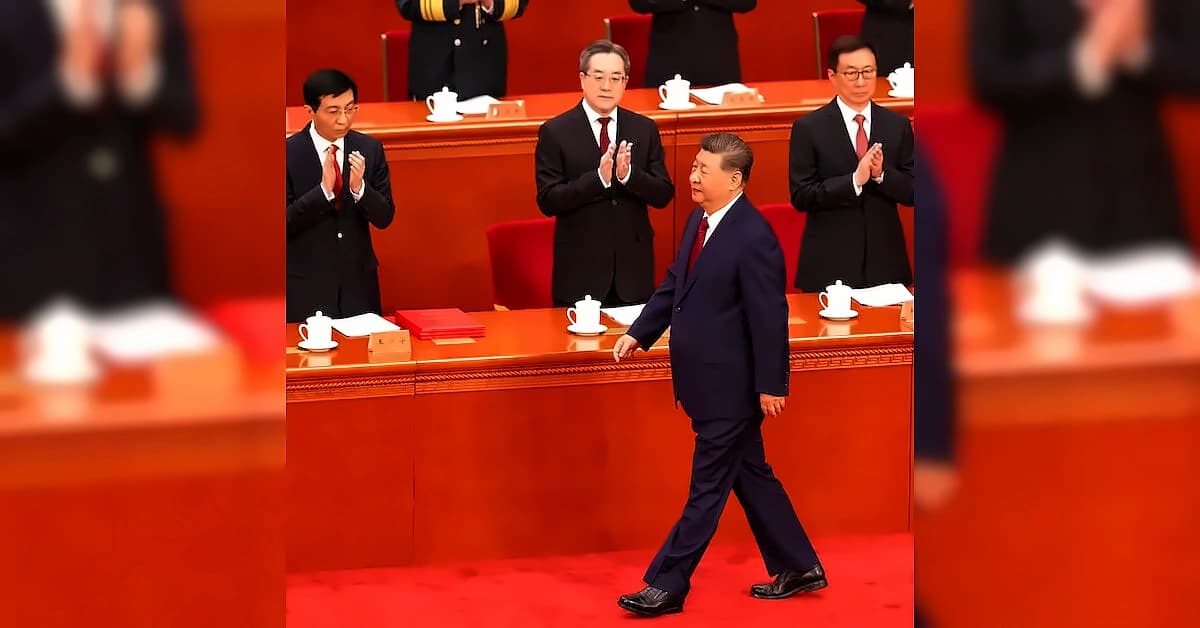
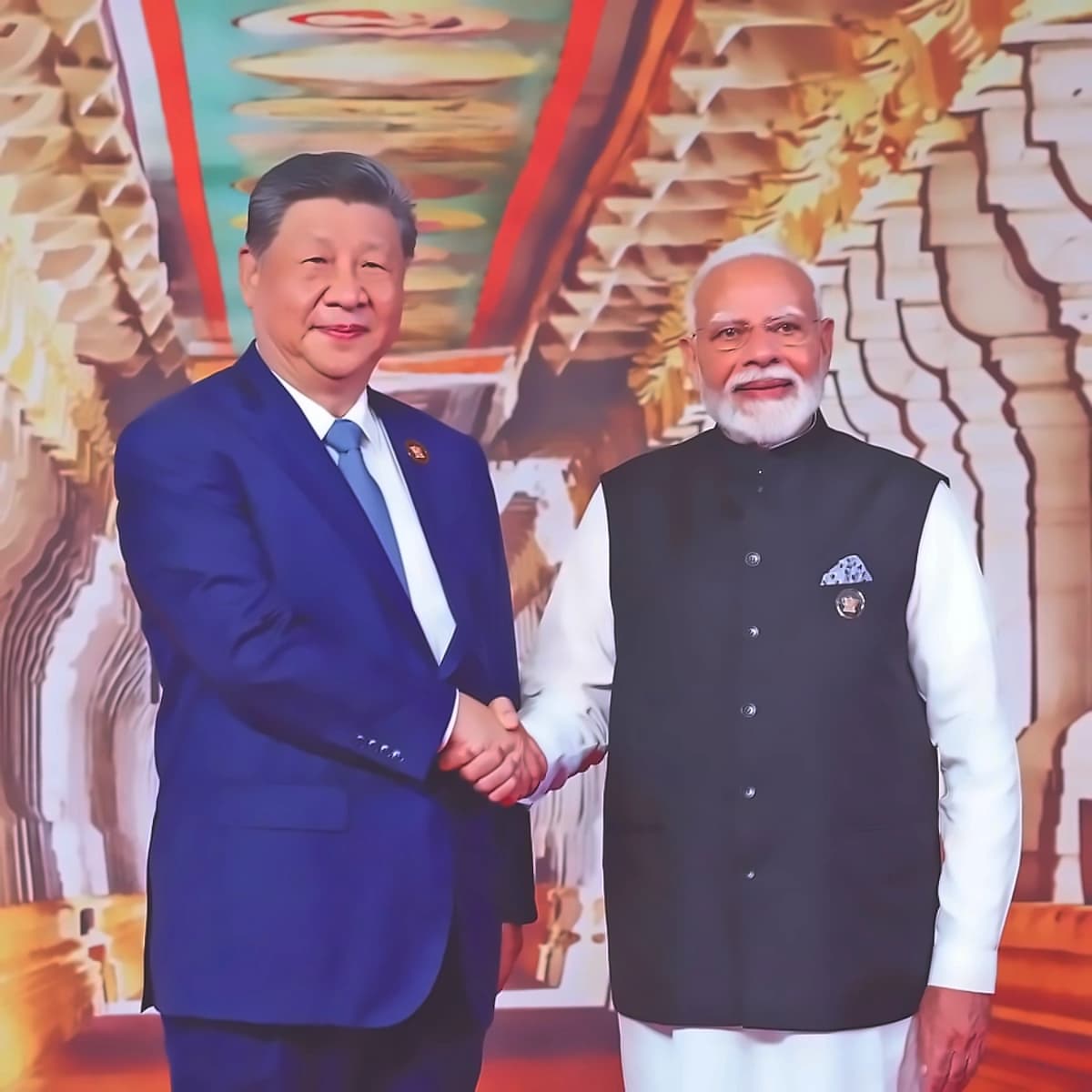
The marquee event at this year's Brics summit was the meeting between Prime Minister Narendra Modi and Chinese President Xi Jinping, covering border, trade, market access and supply-chain issues. As reported by Business Standard, the Ministry of External Affairs later said the leaders welcomed progress in relations and discussed taking a strategic and long-term view. Modi emphasised that peace and tranquillity in the border areas remains an essential basis for development of relations, and both sides expressed 'commitment to a fair, reasonable, and mutually acceptable resolution of the boundary question' in the future. The Chinese side struck an optimistic tone following the meeting, with Beijing's Foreign Ministry stating that the two leaders had a sincere and in-depth exchange of views and reached an important consensus that China and India should be partners. President Xi pointed out that China always approaches and develops its relations with India from a strategic and long-term perspective, describing it as a 'strategic judgement made based on the development stage and international environment' of both countries.
Beijing's Foreign Ministry outlined four key observations on promoting steady and sustained development of China-India relations. According to the ministry statement, the first observation emphasizes calibrating the direction with objective and rational strategic perception, noting that China and India are partners rather than rivals, and development opportunities rather than threats to each other. The second point focuses on helping each other succeed in the spirit of win-win cooperation, with both sides focusing on development as the greatest common denominator and strengthening friendly exchanges and mutually beneficial cooperation. The third observation addresses removing irritants with political wisdom of mutual respect and mutual understanding, emphasizing that the two sides should stay committed to advancing bilateral relations and resolving the boundary question, seek parallel, mutually reinforcing progress, and maintain peace and tranquillity in border areas. The fourth point calls for contributing to a better world with open and inclusive multilateral coordination, with both sides supporting each other's BRICS chairship, strengthening coordination in the United Nations, Shanghai Cooperation Organisation, and G20, and working together to address global challenges.
As reported by Business Standard, Jabin T Jacob, director of Centre for Himalayan Studies, Shiv Nadar University, noted that India-China relations are stuck in a state of distrust with little progress expected on substantial issues like flow of Chinese investments and technology into India and the boundary dispute. Qian Feng, director of research at National Strategy Institute, Tsinghua University, found pragmatism in the approach, stating this meeting broke away from traditional zero-sum game dynamics and identified common interests that transcended differences. The 'New Delhi declaration' did not address all of China's demands, including implementation guidelines for cross-border trade settlement in local currencies, which India has resisted as a de-dollarisation campaign that could hurt US relations. China will host next year's summit, with outcomes potentially being quite different then.