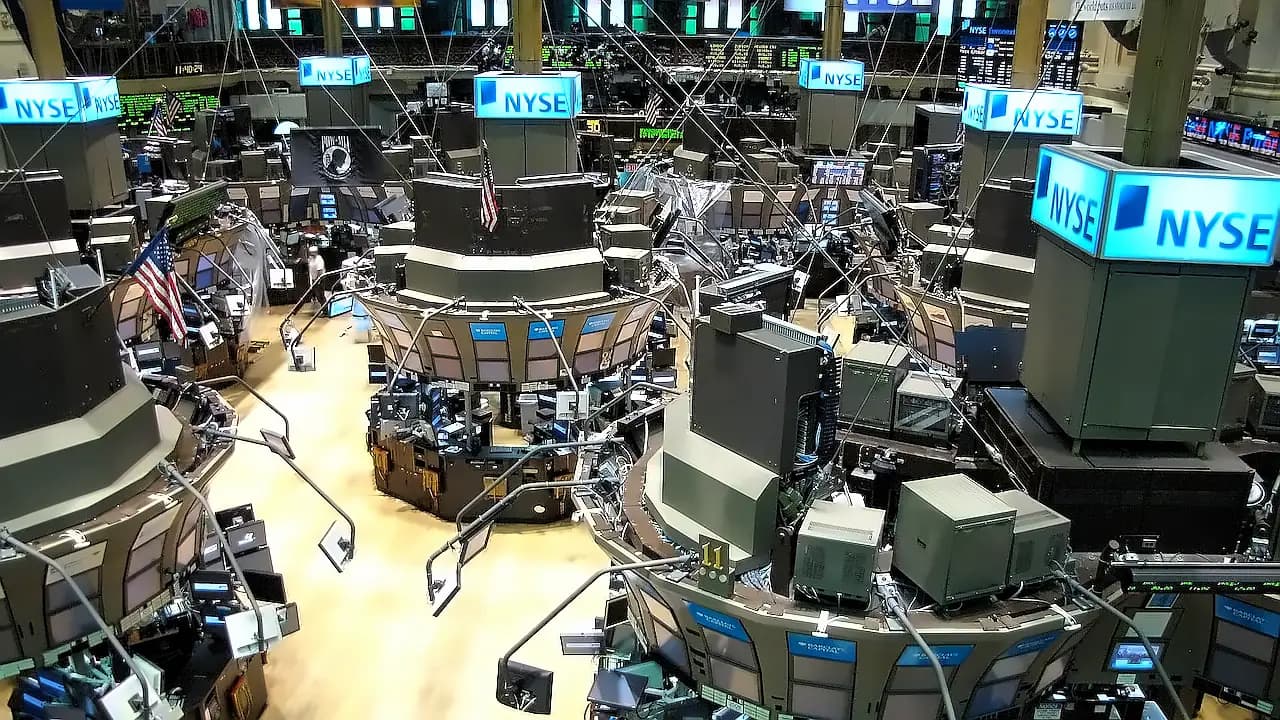
Wall Street's major indexes staged a strong recovery on Thursday, with the S&P 500 gaining 1.06% to close at 7,498.41 points and the Nasdaq Composite advancing 1.87% to 26,507.05, as reported by The Economic Times. The Dow Jones Industrial Average rose 0.14% to 51,562.84, marking a rebound from the previous session's sharp losses across Wall Street. According to CNBC TV18, the move marked a rebound from the previous session's sharp losses as investors priced in the likelihood of more Federal Reserve rate hikes under new Chair Kevin Warsh. Eight out of 11 major S&P 500 sectors moved higher, with industrials gaining 1.6%, while the small-cap Russell 2000 index rose 1.4%. The recovery came after all three indexes had fallen in the previous session as investors priced in the likelihood of more Federal Reserve rate hikes. Traders were betting on a roughly 50% chance of a 25-basis-point rate hike as soon as September and a roughly 20% probability for a 50-basis-point hike, according to CME Group's FedWatch tool.
The US and Iran released the text of a signed interim agreement that extends the April ceasefire by another 60 days to allow the two sides to reach a final deal, as reported by The Economic Times. US officials have said the deal will reopen the Strait of Hormuz to commercial traffic without tolls by Friday, with a 60-day negotiation period to follow on issues such as Iran's nuclear program and longer-term control of the strait. However, shipping analysts expect shipping traffic to resume at a much slower pace and question whether any surge will be durable. Oil prices slid to their lowest levels since early March, keeping alive hopes that inflation could be tamed without hiking interest rates. Brent crude futures expiring in August were up about 0.63% to trade at around $79.46 a barrel, while WTI crude futures expiring in July were up 0.67%, trading around $76.56 a barrel at the time of writing. The International Energy Agency warning that global oil markets could move into significant surplus next year, with supply growth expected to outpace demand growth continues to weigh on prices. The deal raises prospects of improved maritime flow through the Strait of Hormuz and a gradual easing of sanctions on Iranian crude exports, though broader negotiations on Iran's nuclear program remain ongoing over the next 60 days.
Technology shares spearheaded Thursday's advance, with the Philadelphia SE Semiconductor index hitting a record high and up 4.6%, while the S&P 500 tech index rose 1.6%. Intel's shares jumped to a record high after U.S. President Donald Trump announced a deal for U.S.-based chip design and manufacturing. Nvidia rose 1.1%, while Micron and Marvell Technology added over 5% each, as reported by The Economic Times. Following sharp gains earlier this week due to optimism around a potential peace deal between the US and Iran, stock markets took a breather on Tuesday as investors rotated out of highly-valued technology stocks and into other sectors. Chip stocks fell sharply after a rally in the prior three sessions, with Nvidia Corp. falling more than 2% at close, and Micron Technology (MU), Advanced Micro Devices (AMD), and Broadcom Inc. (AVGO) also declining sharply amid a selloff in the sector. The iShares Semiconductor ETF (SOXX) posted strong gains on sector-wide momentum, with broader chip sentiment strengthening across the sector.
This will be the first Fed Federal Open Market Committee (FOMC) meeting under new Chair Kevin Warsh, who was selected by President Donald Trump. As reported by Live Mint, the Fed is expected to maintain the federal funds rate in the 3.50%-3.75% range at the conclusion of the meeting. Policymakers signaled that interest rates may remain elevated for longer, with some officials leaving the door open to a potential hike later this year. The updated projections, including a divided "dot plot," reinforced expectations that inflation control remains the central policy priority, even at the expense of growth momentum. "Markets got spooked by Warsh yesterday essentially promising to contain inflation," said Tony Welch, chief investment officer at SignatureFD, but he pointed to easing oil prices and recent strength in earnings and economic data. "All together, the package of data is still supportive whether or not the Fed has become a little bit more hawkish," Welch noted. Eric Johnston, chief equity and macro strategist at Cantor, said: "The conclusion today is that the Fed has more credibility around inflation." The U.S. dollar is edging higher as Treasury yields rise ahead of the FOMC decision, with the yield on the 10-year Treasury note climbing to 4.437% and gold prices climbing to around $4,337.59 an ounce. May's consumer price index showed that prices advanced on a year-on-year basis at their fastest rate since 2023, with Fed officials acknowledging that when you look at areas that the interest rate affects such as housing, they should be cutting over time.
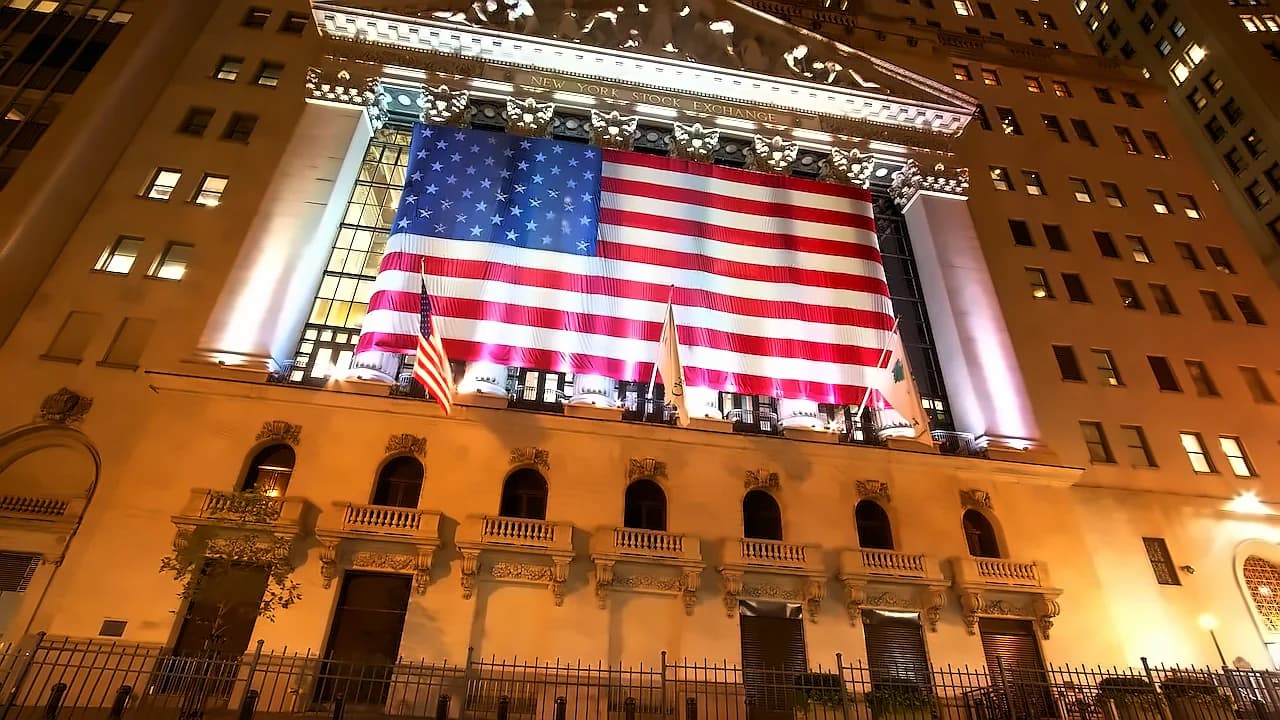
Labor Department data showed the number of Americans filing claims for unemployment benefits fell last week as layoffs remained low, providing positive economic indicators. Thursday also marks the once-in-a-quarter simultaneous expiry of derivatives contracts tied to stocks, index options and futures, also known as "triple witching," which can boost trading volume and aggravate volatility. Advancing issues outnumbered decliners by a 2.48-to-1 ratio on the NYSE and by a 2.48-to-1 ratio on the Nasdaq. The S&P 500 posted 21 new 52-week highs and 19 new lows while the Nasdaq Composite recorded 53 new highs and 52 new lows. All three indexes were on track to end higher for a second consecutive week before Friday's Juneteenth holiday, with markets regaining ground from a slump in early June. Markets are balancing geopolitical de-escalation optimism with a still-restrictive policy outlook, keeping volatility contained even as sector leadership remains firmly in large-cap technology.