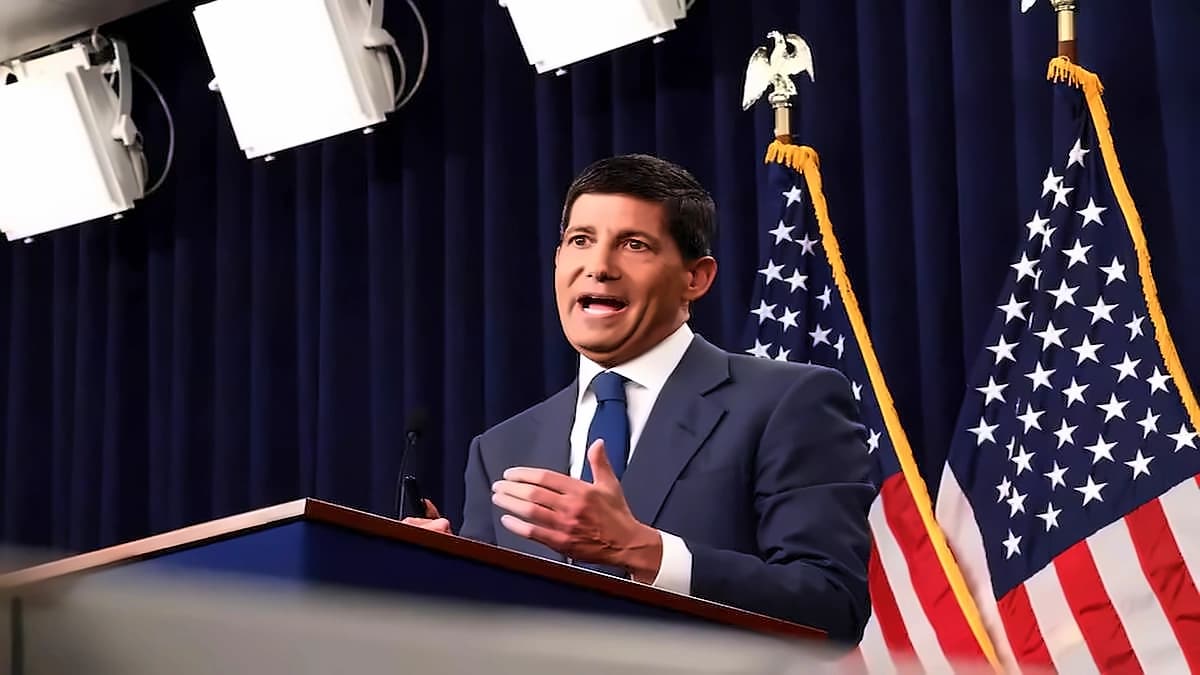
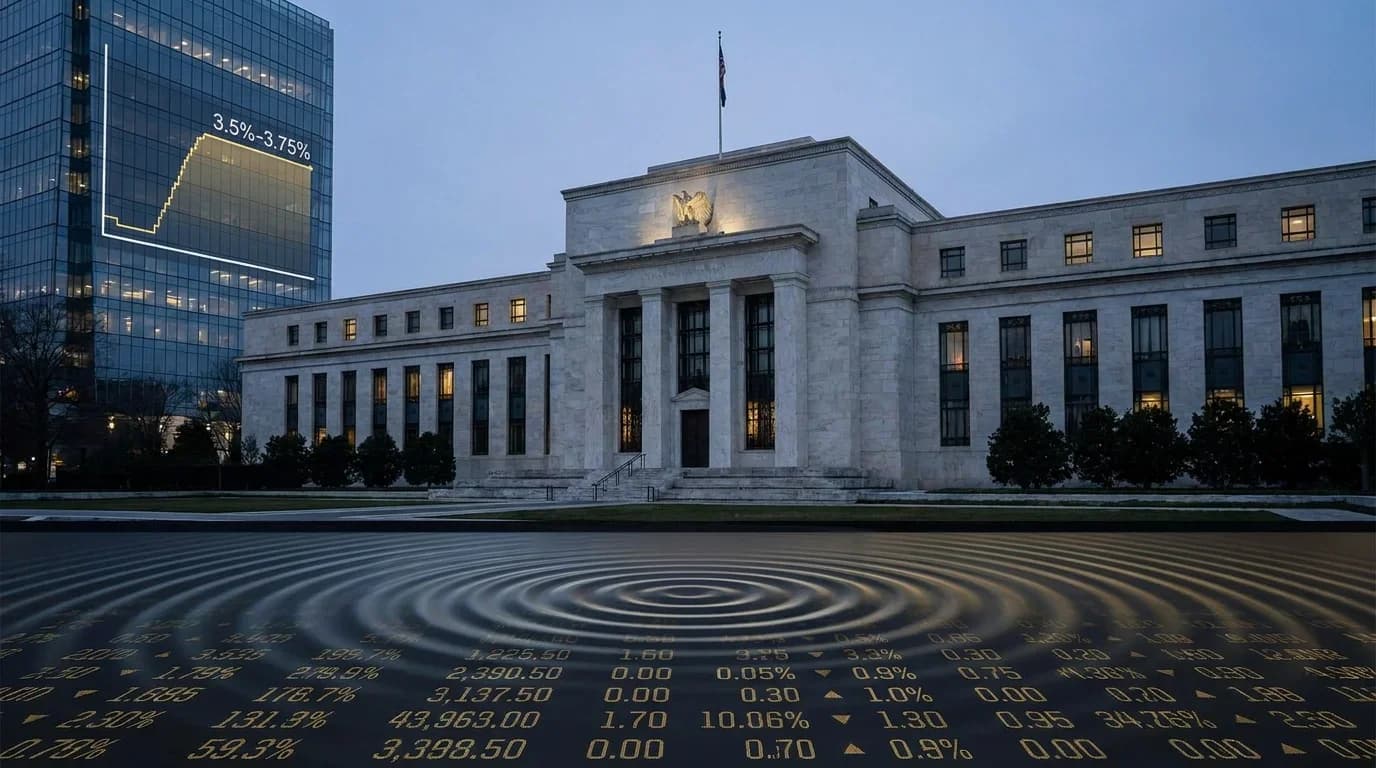
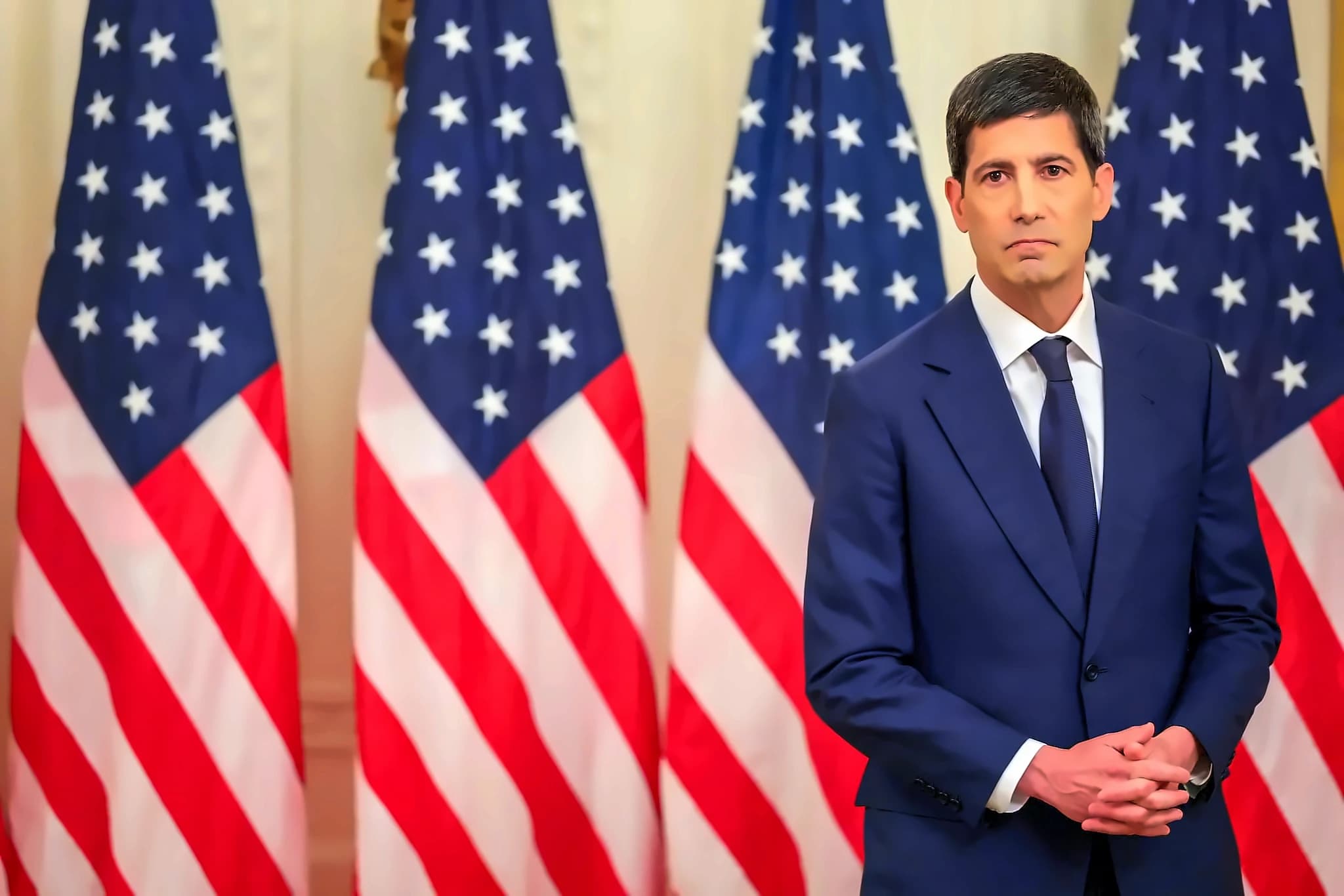
The Federal Reserve maintained the benchmark federal funds rate at 3.5% to 3.75% in a 9-3 vote, with Dallas Fed President Lorie Logan, Cleveland's Beth Hammack, and Minneapolis Fed chief Neel Kashkari dissenting in favor of a quarter-point rate increase. According to The Economic Times, this marks the fifth consecutive meeting where officials have opted to hold rates unchanged. The committee's post-meeting statement remained identical to their June meeting, with officials reaffirming their commitment to delivering price stability. Fed Chair Kevin Warsh faced intense questioning during his press conference, with reporters asking what news there was for Americans considering the Fed's lack of action. Warsh responded that the central bank has no magic wands to bring down prices but expressed more confidence than when he was sworn in about the committee's ability to prevent price increases from broadening into the wider U.S. economy. During the two-day Federal Open Market Committee meeting, Warsh noted there was 'a real family fight' among colleagues, describing it as 'the better way to get policy right'.
The Federal Reserve's preferred inflation gauge has accelerated to 3.4% in the year through May, prompting concerns among policymakers. As reported by The Economic Times, officials received some relief from weaker-than-expected inflation data in June, with US consumer prices falling for the first time in six years due to declining gasoline prices during an interim in the Iran war. However, officials continue facing mounting price pressures after Brent crude soared past $100 per barrel following re-escalation of the conflict, though it has since declined to near $90. A separate report showed producer prices also rose by less than expected last month. The labor market shows modest but steady employment growth with a stable unemployment rate, with Logan earlier this month calling for modestly higher rates and Hammack noting that inflation was a bigger concern than employment. Warsh noted during his press conference that inflation has remained above the Fed's 2% target for more than five years, with the current FOMC having been in business for only eight and a half weeks compared to the 63 months of persistent inflation. 'For some households, businesses and market professionals, five years of high inflation have left a mistaken impression — that's hard to shake — that the Fed's implicit inflation target was somehow above 2 percent,' Warsh stated, emphasizing 'there is no soft inflation target. There is no soft implicit target. Not on this committee's watch. There is only a target, and it's 2 percent.'
Stocks closed sharply lower across the board on July 29, with the Dow Jones suffering its worst one-day loss in more than a year, dropping 2.2% or more than 1,150 points. The S&P 500 dropped 1.5% and the Nasdaq fell 1.7%. The losses came in part because of investors dumping AI stocks on fears of over-spending in that sector and worries about rising oil prices amid the lengthening Iran war. As per USA TODAY, President Trump broke his short-term relative silence about the Fed since Warsh's swearing-in, calling Warsh 'fantastic' and praising him as 'a brilliant guy. Smart.' However, Trump also accused other Fed board members of being 'very political' and suggested he fights through rates. After the meeting, markets were more confident the Fed's next move in September will be a hike, with 63% of traders betting on a quarter-point increase and 37% predicting no change, according to CME FedWatch. The average interest rate on a fixed-rate, 30-year mortgage stands at about 6.6%, up from about 6% at the beginning of March, reaching levels not seen since around this time last year. Warsh explained that while a rate adjustment could be 'part of that solution' if inflation remained too high, he would not see it 'in isolation.'