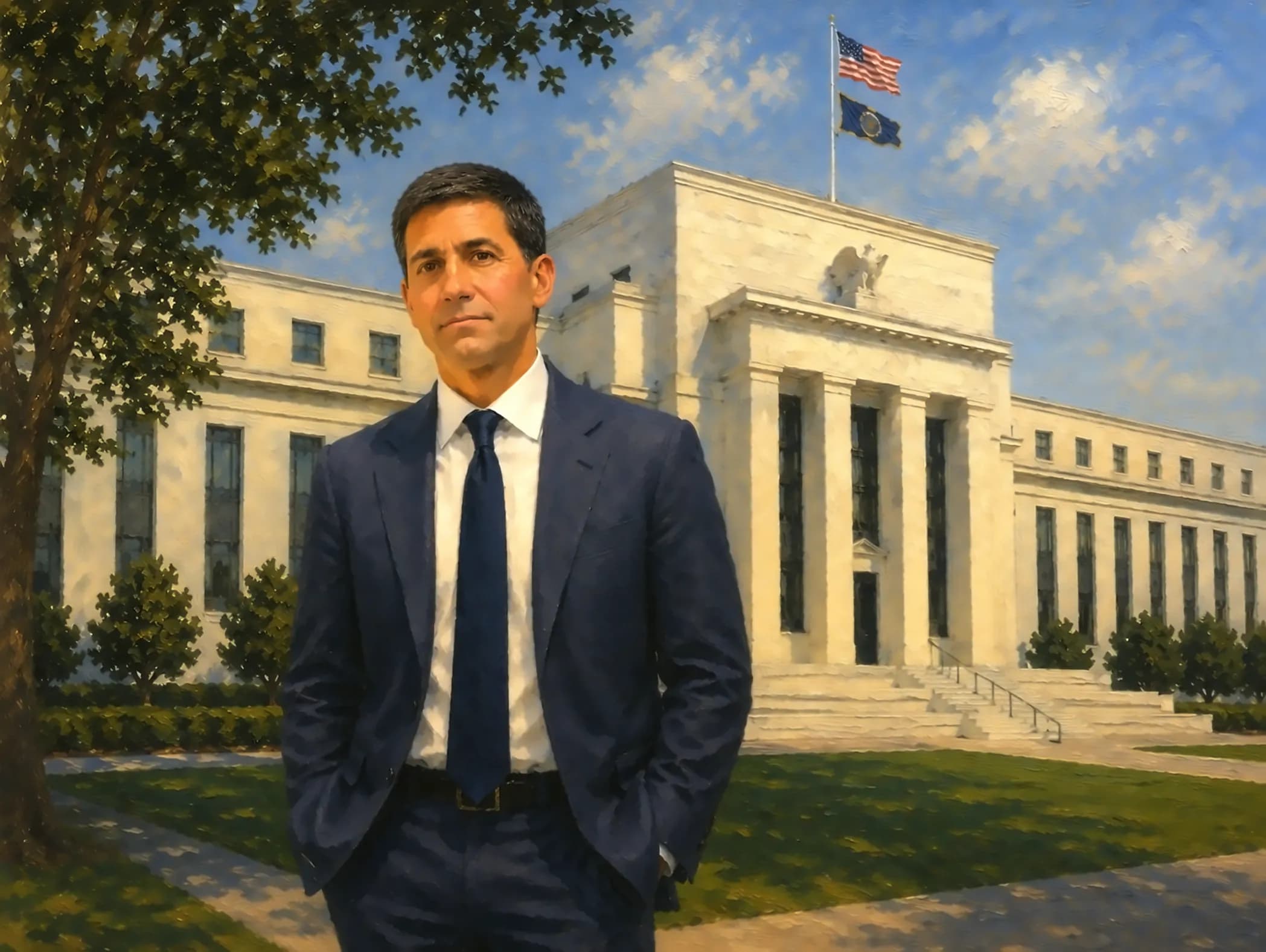
The US Federal Reserve maintained its benchmark interest rate at 3.5% to 3.75% for the second straight meeting, with the decision coming in at 9-3 rather than unanimous. According to reports from The Financial Express, three policymakers dissented in favor of a 25 basis point rate hike - Cleveland Fed President Beth Hammack, Minneapolis Fed President Neel Kashkari, and Dallas Fed President Lorie Logan. Federal Reserve Chair Kevin Warsh welcomed the debate, calling it a "good family fight" that he had hoped for in the press conference. As reported by The Financial Express, Warsh said the discussion was "an active, robust discussion about what's in the full range of what we can do and might want to do in the period ahead," describing it as a "real family fight." The vote was public straight away, but the thinking behind it was not, with Warsh telling reporters to play the ball, not the referee, and never explaining why the majority chose to hold.
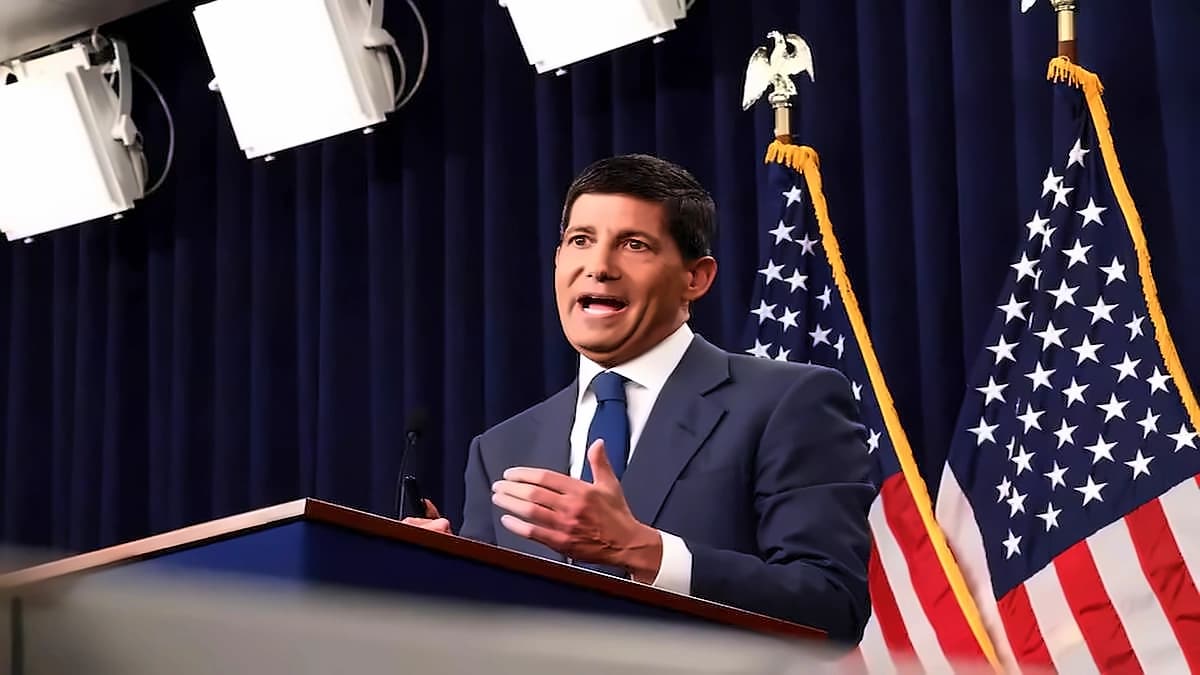
Fed Chair Kevin Warsh struck a firm tone during his press conference, reiterating that the central bank has "no soft inflation target" and "won't hesitate to act where necessary and appropriate" if price pressures persist. According to NDTV Profit, Warsh described the Fed's current stance as one of "watchful thinking," stressing that policymakers debated a full range of options before deciding to pause. The Chair noted that the July decision was the "beginning," but not the end of the story, classifying the move to hold the main rate steady as "a rigorous review of the economic situation." Warsh also spoke of the Fed's decision under his leadership to be more opaque in regards to communications of monetary policy, an approach he has touted that will allow markets to respond more freely and directly to economic data. Higher Treasury yields, three dissents, and a firm inflation stance strengthen the case for tighter policy ahead, as reported by Moneycontrol.
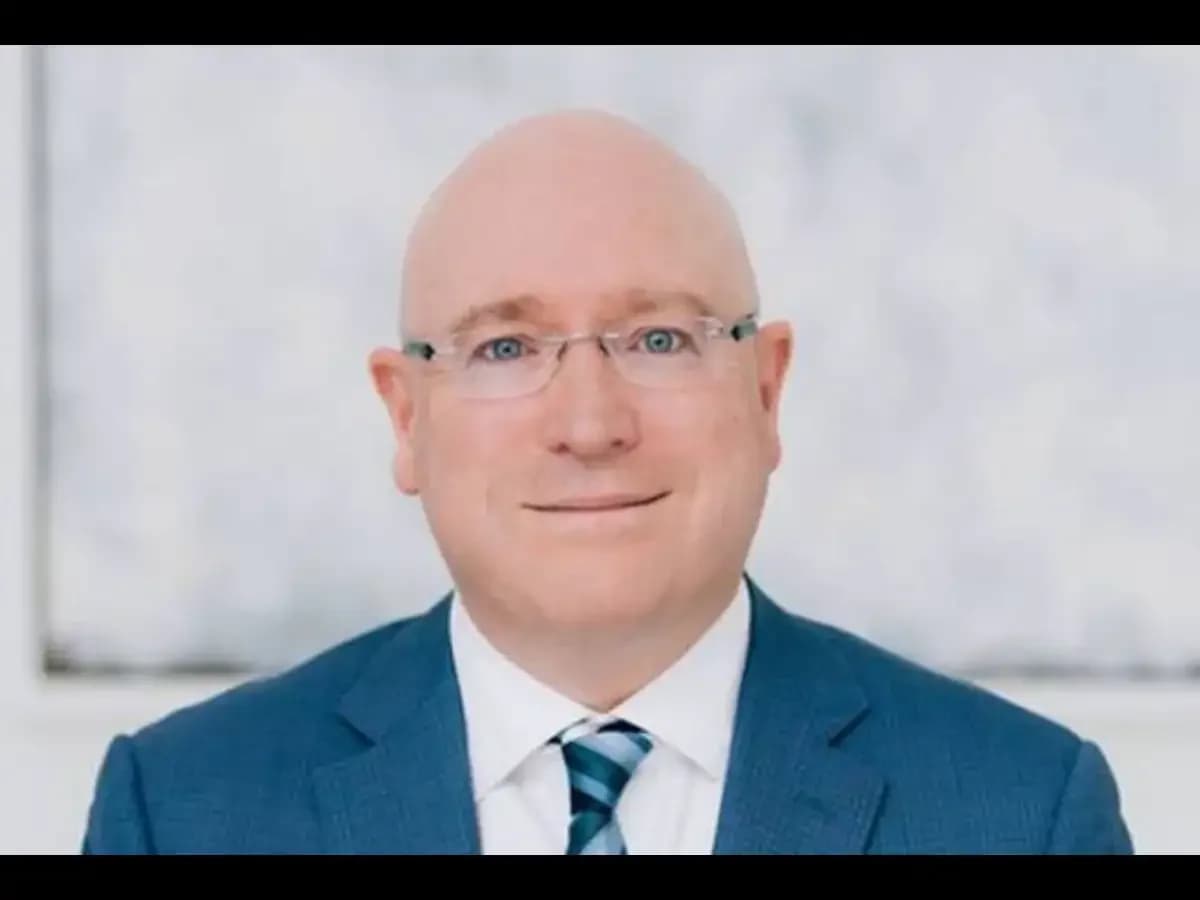
The three dissenting members have now explained their positions, revealing three different arguments for higher rates. Dallas Fed President Lorie Logan argues that inflation remains stuck near 2.5% and is not on track to reach the Fed's 2% target, with better productivity and supply shocks masking the underlying inflation trend. She believes today's rates are not slowing anything down, as jobs look solid and spending remains strong. Logan advocates for "a quarter point now beats a bigger move later" and warns that without policy restraint, inflation will likely continue trending above target. Minneapolis Fed President Neel Kashkari takes a risk management approach, wanting tighter policy because the outlook is so uncertain, not because inflation is proven to be stuck. Beth Hammack's reasoning had not been published at the time of writing, but her position adds complexity to the debate as one shared argument is easy to answer, while three separate arguments are much harder to address.
The Federal Open Market Committee (FOMC) noted that the economy continues to expand at a solid pace with the labour market remaining stable. As reported by The Financial Express, policymakers emphasized that inflation remains above the Fed's 2% target, with uncertainty linked to Middle East conflicts adding to inflation pressures through higher energy prices. The three dissenting members have all expressed concerns in recent months that inflation remains too high and that keeping policy unchanged could slow progress toward the Fed's inflation goal. The FOMC's Wednesday statement noted that economic activity has continued to grow at a "solid pace" despite economic uncertainty, citing strength in productivity growth and capital investment, while the unemployment rate has remained relatively unchanged. However, inflation remains elevated beyond the central bank's 2% goal, in part due to "supply shocks that have driven price increases in certain sectors, including energy," according to the FOMC statement. The policy statement saw very few changes from the previous meeting, with officials repeating that inflation remains elevated, partly because of supply shocks, including higher energy prices linked to the Middle East conflict.
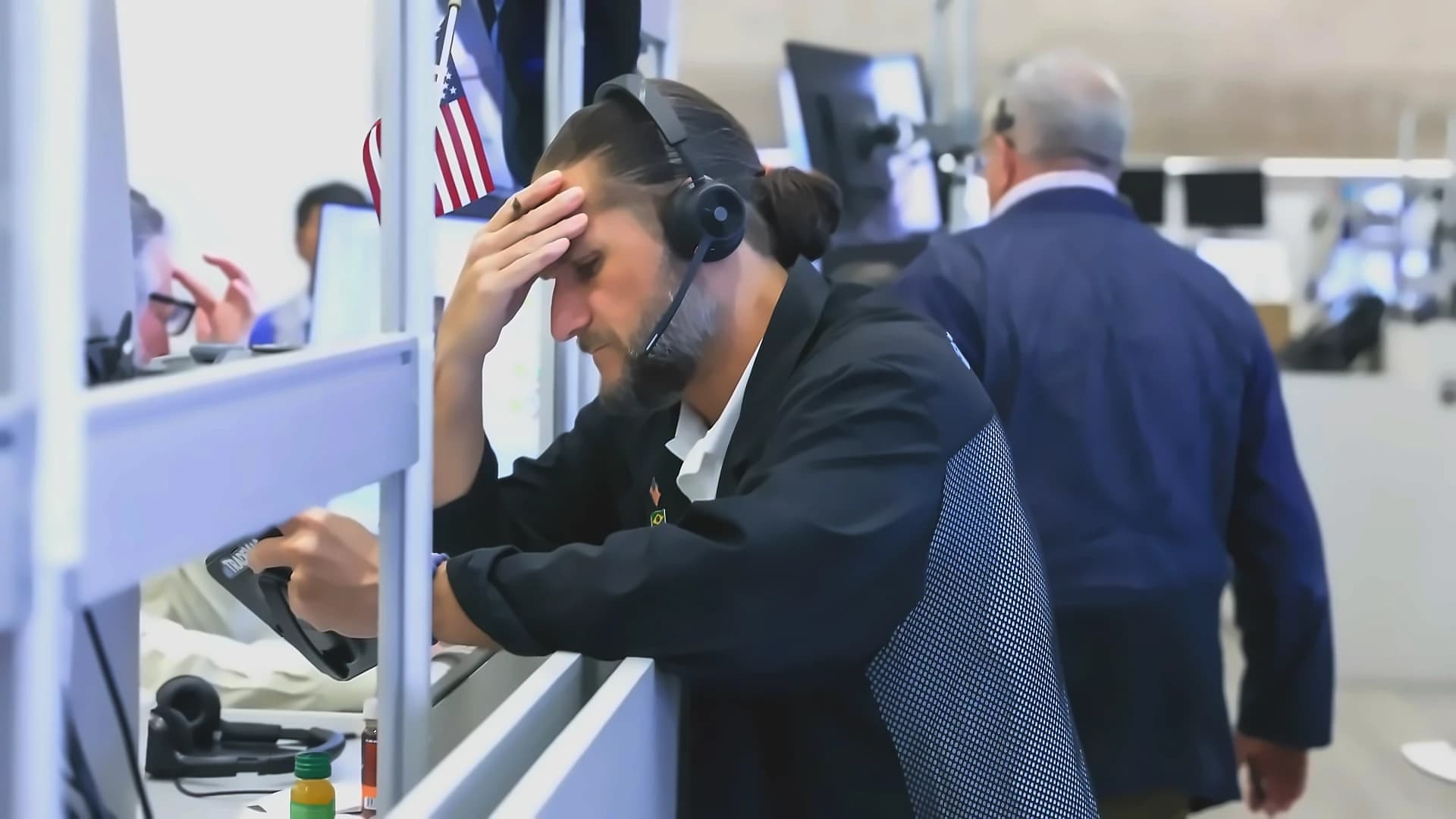
Financial markets interpreted the Fed's decision as less aggressive than feared, with bond traders picking a side and the 30-year Treasury yield closing at its highest level since 2007 on Thursday. According to NDTV Profit, interest-rate swaps no longer fully price in a September rate hike, although Warsh made it clear that future decisions will depend on incoming inflation and employment data. The rate trajectory would continue to be influenced by the fate of the Middle East crisis, AI productivity gains, and Fed's new inflation framework depending on the task force's findings. The Fed Chair highlighted the ongoing AI investment boom, saying higher technology spending could improve long-term productivity even as it raises infrastructure costs today. Warsh will be checking in with each of the five task forces set up by the central bank, which are focused on examining areas including balance sheet policy decisions, how the Fed handles communications regarding monetary policy decisions, and a task force on assessing the impact of artificial intelligence. The next Federal Open Market Committee meeting is scheduled for August 27-29 at the Jackson Hole Economic Symposium.