The Federal Reserve is widely expected to raise the federal funds target range by 25 basis points to 3.75%-4.00% on September 16, 2026, marking the first rate hike since 2023. According to Investing.com, the rate decision itself is largely priced in, with market direction now depending on the voting split, the Fed's updated dot plot, and how Chair Kevin Warsh characterizes the move at his press conference. A broadly unified vote, a higher 2027 policy-rate projection, or language suggesting the start of a sustained tightening cycle would be considered hawkish surprises. The market is focused on three key issues: whether the voting split narrows, what the dot plot signals about the future path of interest rates, and how Warsh defines this rate increase at the press conference.
Last week's economic data materially changed market pricing, with US core CPI rising 0.3% month-on-month in August, above the 0.2% consensus forecast and faster than July's 0.2% increase. As reported by Investing.com, producer price inflation also surprised to the upside, with several components feeding directly into the calculation of the Personal Consumption Expenditures (PCE) price index. More importantly, the escalation in the Middle East pushed oil prices above US$100 a barrel, reviving the risk that higher energy costs spill over into broader inflation. Following Friday's CPI release, Goldman Sachs abandoned its call for the Fed to hold rates steady, while JPMorgan shifted to expect one rate hike in September and another in December. Citi expects Warsh and Governor Christopher Waller to ultimately join the regional Federal Reserve presidents who backed a rate increase in July, keeping dissent to a minimum.
Chairman Warsh's press conference will be closely watched for three critical questions that could determine market direction. According to recent analysis, traders should monitor whether Warsh acknowledges the December FOMC meeting as potentially "live" for another rate hike, as he'll inevitably face questions about future policy. The way he characterizes the rate hike will be crucial - if Warsh attributes the move primarily to oil prices as the primary catalyst, the move may be seen as more benign and dovish. Conversely, focusing on underlying inflation and second-round effects would hint at potential for more rate hikes. Additionally, some tension between Warsh's anti-forward guidance ethos and the existence of the dot plot appears inevitable, particularly if the median FOMC official projects another rate hike while Warsh demurs on providing guidance.
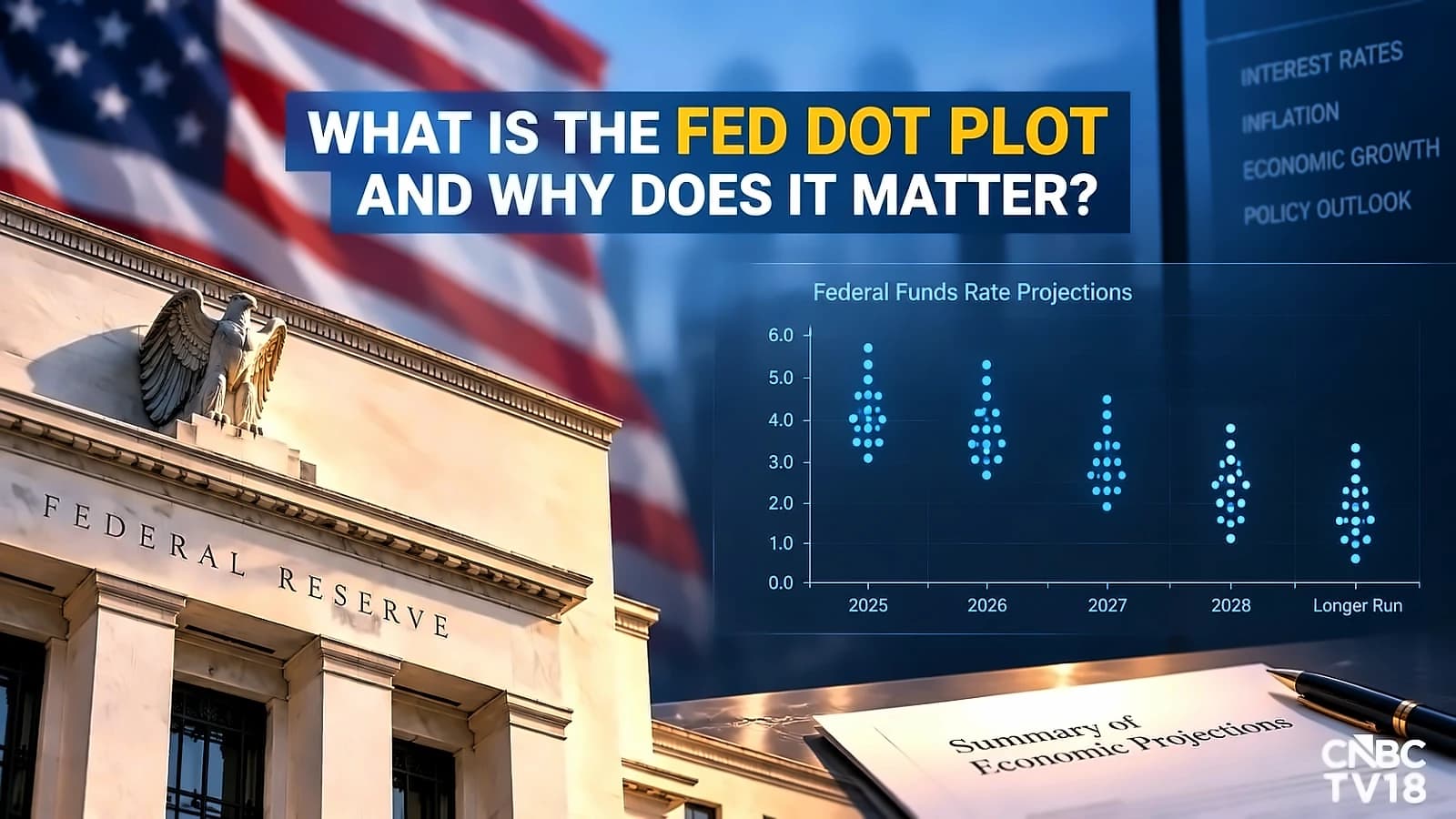
The Fed's dot plot remains a crucial tool for understanding policymakers' interest rate expectations, representing individual Federal Open Market Committee (FOMC) participants' projections for federal funds rates. According to reports from CNBC TV18, each participant submits their estimate of the appropriate federal funds rate level at the end of the current year, the next few years, and over the longer run. The meeting will update the Summary of Economic Projections, making the median policy-rate projection in the dot plot more important than the decision to raise rates itself. Markets will scrutinize the 2027 Core PCE forecast particularly closely, with the renewal of Middle East conflict and accompanying energy price spike making inflation in 2026 all but certain to increase. A median projection for rates to rise and hold above 4% through the end of next year would be seen as a "hawkish hike" and the possible start of a sustained interest rate hiking cycle.