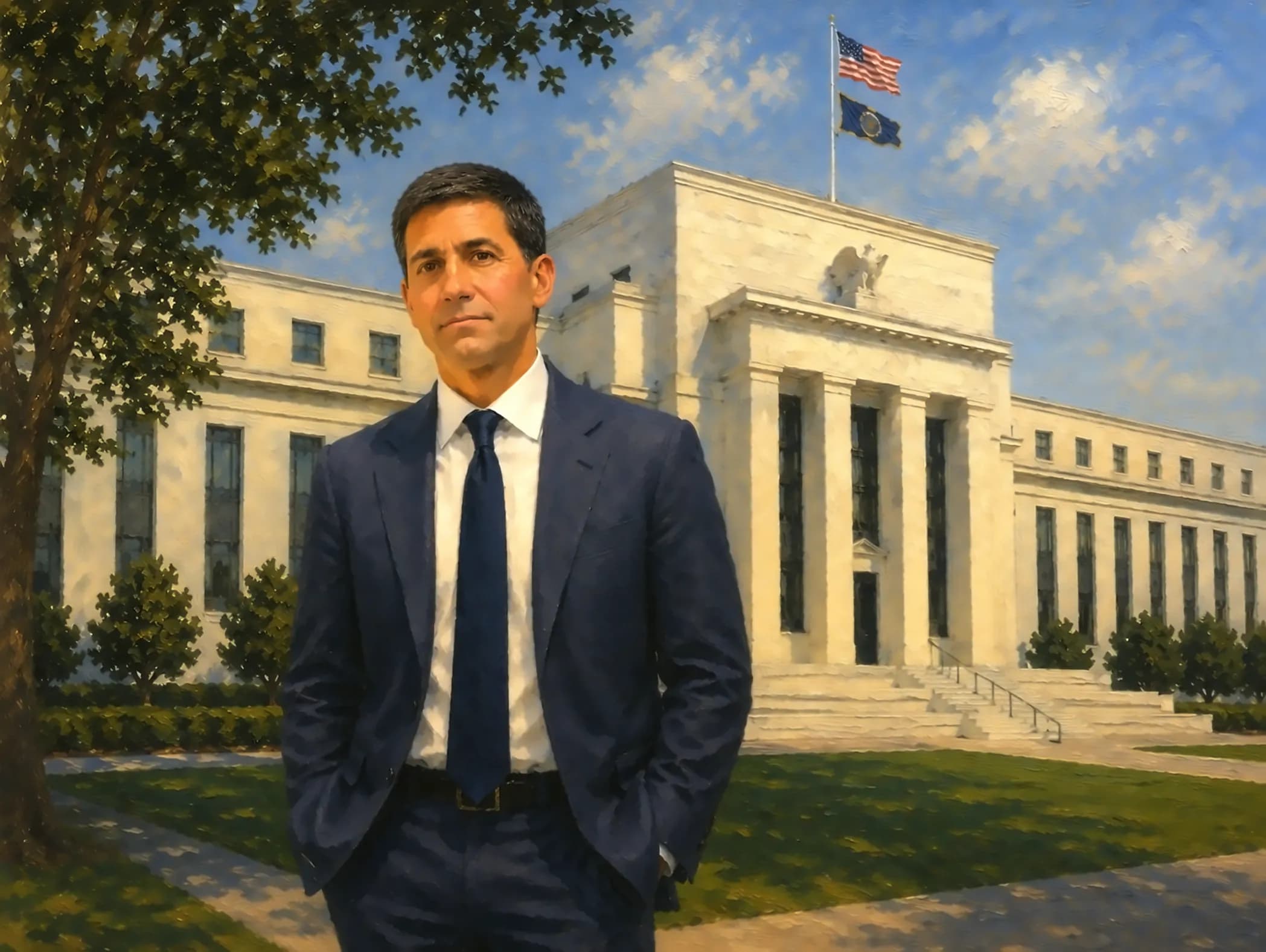
The Federal Reserve left rates unchanged at 3.5% at its July meeting, but the message from the room was anything but quiet. Three policymakers dissented in favor of a quarter-point increase, marking the first time in the current tightening cycle that more than one official has disputed in favor of a rate hike. The dissenting voices came from Lorie Logan, president of the Dallas Fed, Beth Hammack at the Cleveland Fed, and Neel Kashkari of the Minneapolis Fed. As Jack McIntyre, portfolio manager for Brandywine Global Investment Management, noted, "The early trade is just relief that Fed didn't move today, but the dissents show you the bias of the FOMC, and unless the inflation and employment data soften meaningfully between now and September, then that meeting is in play for a hike."
Fed Chair Kevin Warsh spoke at a media conference after the meeting, promising to control inflation but providing no indications of specific policy steps. Warsh noted that bond yields have risen significantly since the Fed's last policy meeting, reflecting market expectations for higher interest rates. He welcomed the move while stressing it didn't obligate the Fed to confirm those expectations through policy actions. Blerina Uruci, T. Rowe Price's chief U.S. economics officer, commented: "To me, this is a sign that the market has already done the Fed's job." However, market analysts warn that Warsh's hawkish tones may not be sufficient to ensure price stability, with the market learning that the Fed and FOMC lack forward guidance to deliver policy outcomes simply because they are priced by the market.
The Federal Reserve meeting triggered significant movements in the Treasury market, with the spread between the 30-year Treasury yield and the 3-month Treasury bill widening by roughly 20 basis points to 1.43% - a massive steepening move. According to reports from Investing.com India, the front end of the Treasury curve rallied sharply, with September rate hike expectations largely priced out of the swaps market. The latest developments show 30-year U.S. bond yields reaching their highest level in 19 years, with Fed funds futures now indicating a 60% probability of a September rate increase and having 33 basis points of tightening already priced in. This unusual post-meeting reaction suggests the Fed's message was well-received by market participants, with traders having priced about a 40% chance of a September rate increase before the decision, which jumped to roughly 70% after the vote and dissents. The ten-year Treasury sits at 4.694%, up 1.91%, pressed directly against the ceiling near 4.70% that has capped it all month, while the thirty-year is at 5.226%, up 2.63%, trading at levels not seen since 2007.
The historically flat yield curve, which has been one of the reasons Powell and colleagues struggled to bring inflation back to target, remains a key factor in the current market dynamics. With the split vote from regional bank presidents and the market now pricing in roughly 80% odds of a September rate increase, the upcoming Fed meeting will be closely watched for policy direction. The dissenting voices from regional bank presidents signal that the bias of the FOMC may be shifting toward tighter policy, unless inflation and employment data soften meaningfully between now and September. Market reaction to Warsh's press conference showed mixed signals, with the Nasdaq and Nasdaq 100 climbing back into positive territory while the Dow and S&P 500 losses narrowed considerably. The U.S. dollar weakened broadly against major currencies, with the euro, pound, Australian dollar, and New Zealand dollar all posting gains, reflecting market uncertainty about the Fed's future policy stance. At the close, the Dow was down 2.19% at 51,594.14 for its worst decline since April 2025, the S&P 500 fell 1.52%, and the Nasdaq dropped 1.74% into correction territory, with the VIX rising more than 14% to 20.77 and WTI climbing nearly 7%.