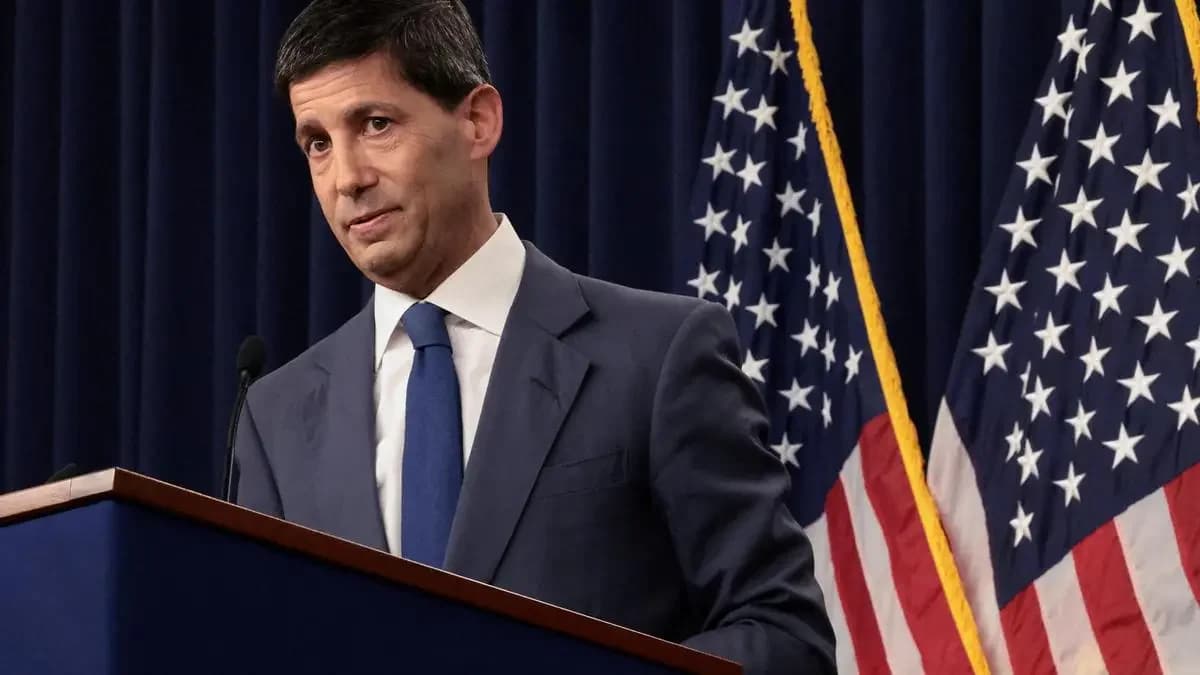
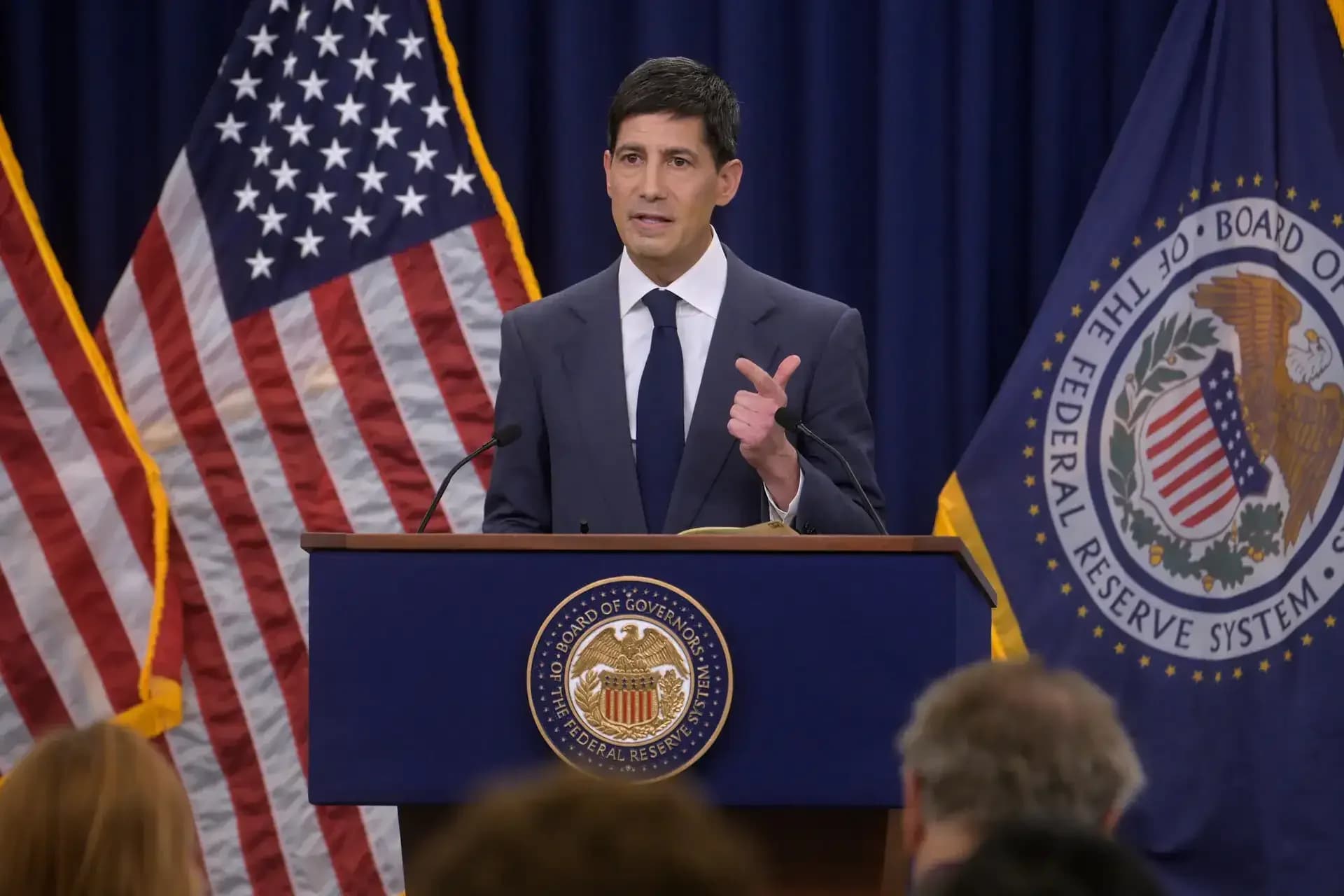
Federal Reserve Chair Kevin Warsh has announced the removal of one rate decision from the 2027 calendar, making each of the remaining seven meetings even more critical for market participants. At the October policy meeting on Wednesday, Warsh confirmed this major change to the Fed's meeting structure, stating that the revised schedule will take effect starting in fall 2027. The Wednesday meeting saw the Fed hold rates steady, but two dissenting governors wanted a hike, highlighting the increased importance of each decision as the Fed removes rate-setting opportunities from its calendar.
The change is expected to evolve further in 2028, when Warsh confirmed two meetings to be dedicated to strategy discussions and the remaining six to monetary policy decisions. As reported by LiveMint, Warsh emphasized that the revised schedule would allow policymakers to balance their assessment of near-term economic developments with broader discussions on the direction of monetary policy. He stated that "getting policy right involves assessing near-term developments at timely, regular, and information rich intervals" while reserving time for strategic deliberations, focusing on "the left side of the decimal point" and thinking anew about big questions over longer time horizons.
Warsh has significantly altered the Fed's public communication approach, declaring "I don't believe in forward guidance" during Wednesday's meeting. His remarks echoed his earlier move to end the years-long practice of offering forward guidance, removing an important signal for both Wall Street and Main Street alike. The chair has not contributed a "dot" to the central bank's quarterly chart showing where individual policymakers expect short-term interest rates to go, and he doesn't plan to do so in the future. This taciturn approach has already raised the stakes for each FOMC meeting, with fewer hints or forward guidance about what the Fed is thinking and planning.
The announcement comes as the Fed continues to work towards its 2% inflation target, with questions remaining over whether monetary policy should be tightened further. According to LiveMint, Warsh defended the Fed's approach to inflation and interest rates, stating that price stability could not be judged by a single date on the calendar or an isolated economic data point. He pointed to the Fed's September decision to remove some monetary policy accommodation as part of efforts to bring inflation under control, while acknowledging that policymakers would use the coming period to assess incoming information.
The removal of rate decisions from the 2027 calendar significantly elevates the importance of each remaining meeting, potentially adding another layer of uncertainty and volatility to markets. Warsh emphasized that the setting of the meeting schedule and agenda is "more than some administrative detail" and affects the nature and quality of deliberations. He noted that "the information we receive over the coming period will help us determine where we want policy to be" and that at every turn, their job is to get monetary policy right. The Fed has reinforced its commitment to the 2% inflation target and outlined its monetary policy framework while policymakers determine the appropriate course of action to deliver on the central bank's inflation objective.