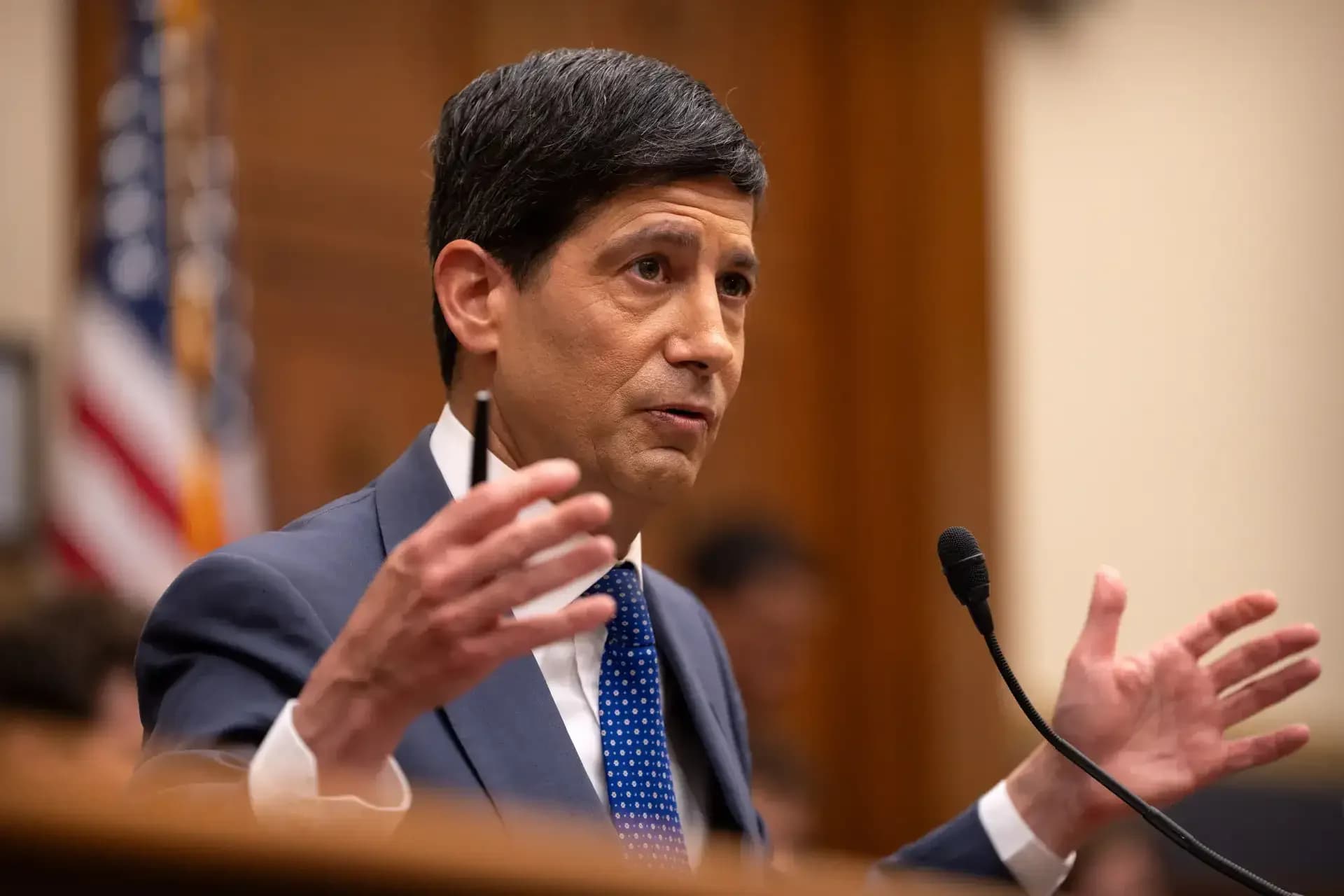
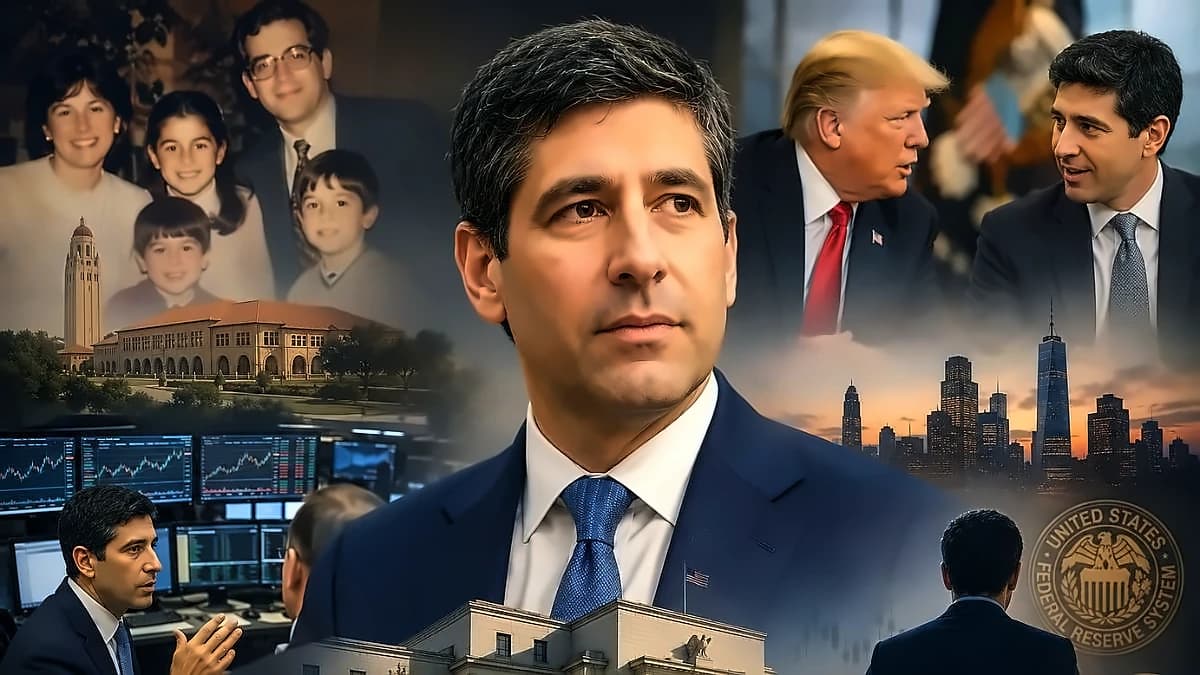
Federal Reserve Chairman Kevin Warsh has raised the idea of reducing the number of regularly scheduled Federal Reserve policy meetings during this week's interest-rate-setting meeting, according to a New York Times report. The proposal would significantly alter the Fed's operational structure, representing what could be the most consequential operational shift under the new Fed leader who has been in position for approximately two months. Warsh seemed poised to make a decision on changing the schedule before the Fed's next meeting in September, as reported by the New York Times citing four people with knowledge of the talks.
The current proposal would break with nearly half a century of Federal Reserve practice, as the Fed has held eight scheduled meetings annually since 1981. This cadence was established under former Chair Paul Volcker and has remained consistent for nearly four decades. The move would substantially reduce the information flow to Wall Street and the broader public regarding the direction of interest rate policy and the Fed's interpretation of inflation, employment, and economic conditions. Since he first emerged as a candidate to helm the central bank, Warsh has promised to cut down on the kind of loquacious monetary pronouncements his predecessors were known for – and which regularly moved markets.
Currently, Fed policymakers meet eight times a year for a two-day gathering, after which they announce their policy decision. A reduction in the number of meetings would mark a significant shift for the US central bank, coming at a moment when investors have criticized Warsh's attempt to limit guidance to markets on the direction of interest rates and as the Fed faces mounting pressure to do more to curb inflation. The Fed has already scheduled its meetings for the remainder of 2026 — with gatherings set for September, October and December — and for 2027, with each meeting date being tentative until confirmed at the meeting immediately preceding it.
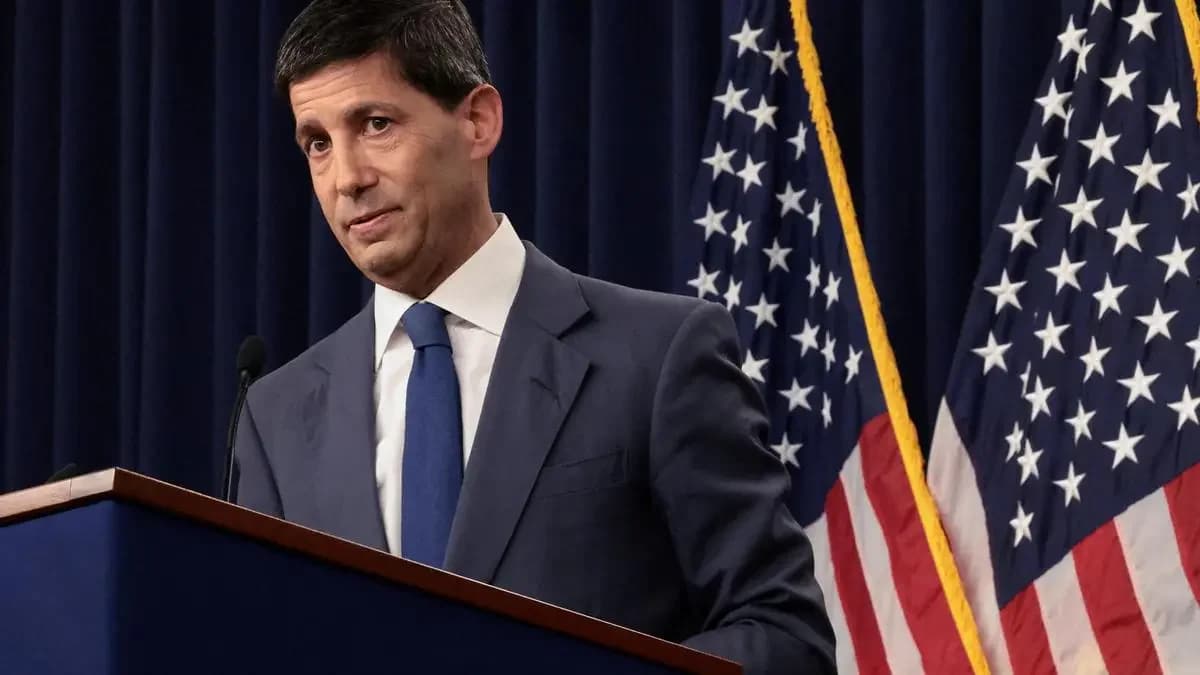
The proposed reduction aligns with Warsh's promise made when he came aboard as Fed Chair approximately two months ago of implementing what he described as 'regime change' at the Federal Reserve. The operational change would represent a fundamental shift in how the central bank communicates monetary policy decisions and economic assessments to the public and financial markets. At his Senate confirmation hearing in April, Warsh was asked if he was committed to holding an FOMC meeting at least once every eight weeks. 'I believe the statute requires a minimum of four meetings, but four is not enough,' Warsh said in response. 'So having more meetings than that is appropriate. But I've not even begun to look at the meeting schedules for 2027 and beyond.'
Fed policymakers voted 9-3 on Wednesday to hold interest rates steady, with the rate decision being widely expected but investors balking when Warsh declined to explain the decision or say he would support raising rates should inflation fail to slow. After the meeting, Warsh repeatedly emphasized the Fed's vow to get prices lower, even saying 'we will not hesitate to act.' Warsh has signaled he intends to bring other changes, including potentially reducing the number of press conferences he holds after policy decisions. He also announced the creation of five task forces to consider possible changes to how the Fed conducts monetary policy, in areas ranging from communications to data and the Fed's balance sheet.