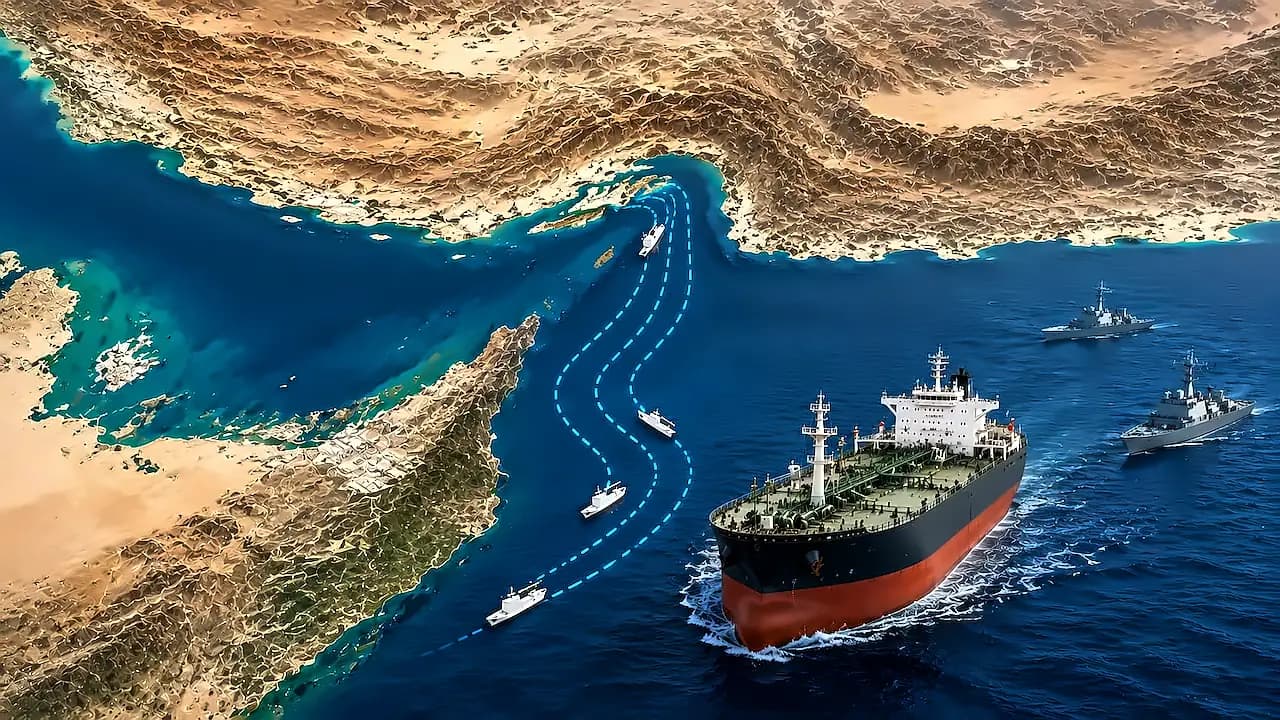
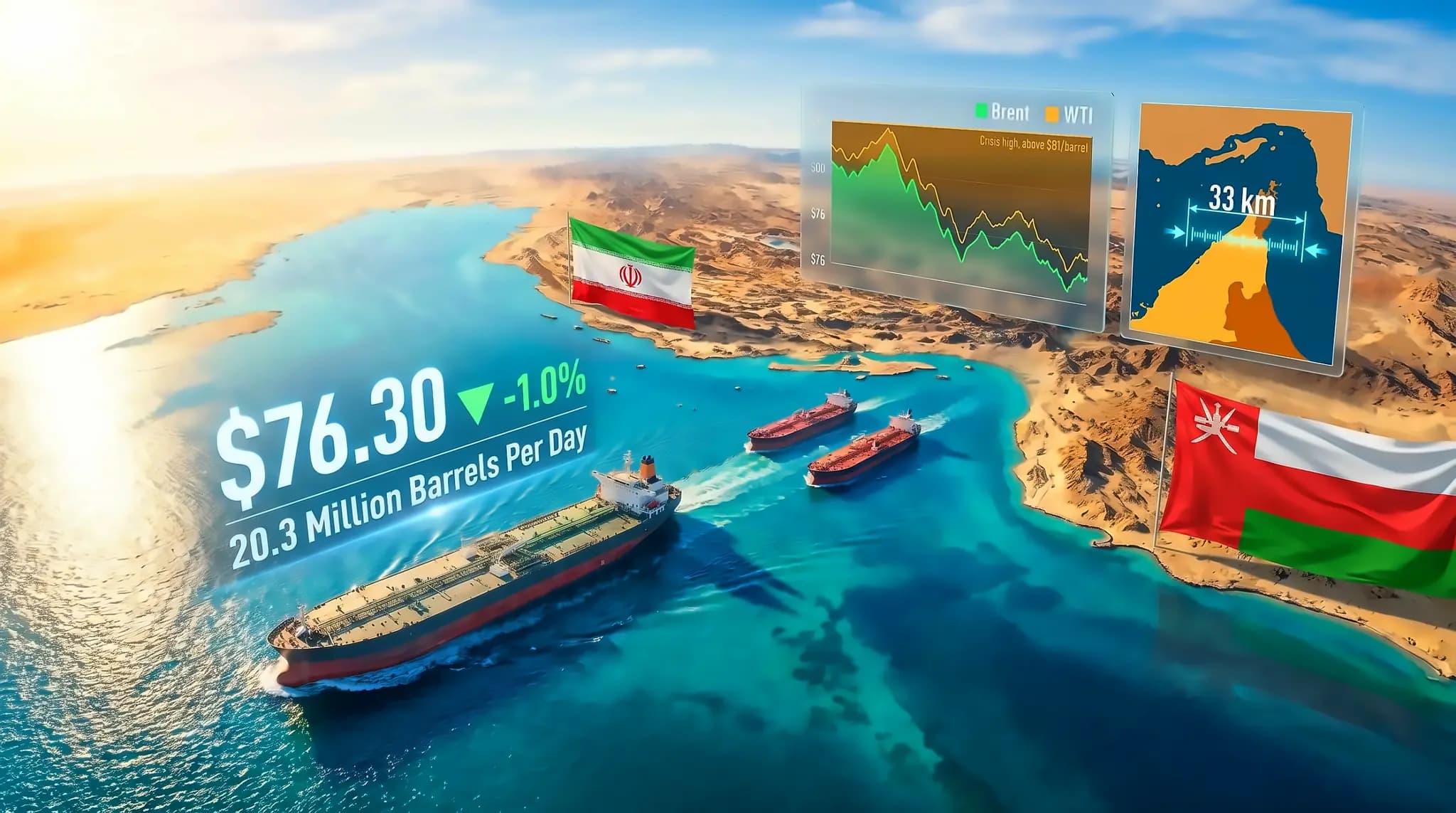
Iran will keep the Strait of Hormuz closed until the United States recognises Tehran's system of governance and accepts an Iranian-led framework for managing the strategic waterway, according to Brigadier General Mohammad Akrami Nia, the Iranian Army's spokesperson. As reported by Press TV, the remarks mark the latest hardening of Iran's military stance on the strait, through which roughly a fifth of the world's seaborne oil trade normally passes. Akrami Nia's comments come as the ceasefire brokered under last month's Islamabad Memorandum of Understanding between Iran and the US has effectively unravelled, with Tehran shutting the strait after accusing Washington of trying to escort commercial vessels through what it called an unauthorised route, in breach of the agreement which had guaranteed 60 days of toll-free maritime transit.
Fresh attacks close to Oman have increased the total to 56 incidents and 17 seafarer deaths, according to Kpler, a data and analytics platform providing real-time intelligence on global trade. The majority of traffic consisted of commercial vessels transporting iron ore, methanol, crude oil, and liquefied petroleum gas (LPG). As reported by Kpler, there was a 'growing loss of confidence in that corridor' as seen by the paucity of trade via Omani lines, while ships continued to prefer Iranian-approved routes. The company noted that 'The Strait remains passable, but the operating environment is becoming increasingly complex and unstable.'
A tanker travelling through the Strait of Hormuz was struck by a projectile, the UK Maritime Trade Operations centre said, adding that the crew was safe and the vessel continued its voyage. As reported by Business Standard, the UKMTO described the strike as happening early Friday and involving a projectile hitting the vessel. The ship sustained minor damage to its port side, with all crew accounted for and no environmental impact reported. The UKMTO noted that the vessel is continuing to its next port of call. Iran has been attacking tankers travelling on the route near Oman but did not immediately acknowledge any attack, according to Business Standard.
Strait of Hormuz transits have fallen to their lowest level in four months, with only 73 vessels crossing the waterway during July 10-12 as Iran's closure declaration and military tensions continue to disrupt shipping flows. According to S&P Global, this equates to fewer than 25 crossings per day on average and marks the lowest daily level since June 14. The Western-led Joint Maritime Information Center (JMIC) noted that total transits on July 12 fell to just 11 after Iran declared the strait closed, with the Persian Gulf Strait Authority stating passage is not possible due to recent 'illegal movements of US military forces' in the region. The security environment deteriorated significantly during the period as the US and Iran engaged in tit-for-tat escalations, with US Central Command completing a fourth wave of strikes against Iran in the last week, hitting dozens of targets at multiple locations to degrade Iran's ability to continue attacking shipping flows.
The US has rejected Iran's accusations and has since carried out fresh air strikes on Iranian territory, while reinstating its naval blockade of Iranian ports this week. According to Press TV, Tehran shut the strait after accusing Washington of trying to escort commercial vessels through what it called an unauthorised route, in breach of the agreement. In earlier remarks to Iranian media, Akrami Nia said the strait would never reopen under US military pressure, and that Washington's compliance with the memorandum remained the only route to lifting the closure. Meanwhile, US President Donald Trump has declared the ceasefire 'over' following the latest exchange of strikes, though officials on both sides say indirect talks, mediated by Qatar and Oman, are continuing even as rhetoric between Washington and Tehran sharpens.

Iran's Foreign Minister, Abbas Araghchi, travelled to Muscat over the weekend to discuss a possible compromise with Omani officials, after Oman proposed a British-drafted mechanism allowing shipping firms to make voluntary payments for navigational and emergency services, rather than the compulsory tolls Tehran has demanded. As reported by Press TV, that proposal is still being weighed by European governments, even as Iran's Revolutionary Guard Navy separately reiterated that the strait remained closed to commercial traffic. The diplomatic efforts come as the escalating tensions have had broad implications across global markets, with rising oil prices strengthening expectations of tighter monetary policy and lifting bond yields while weighing on gold.