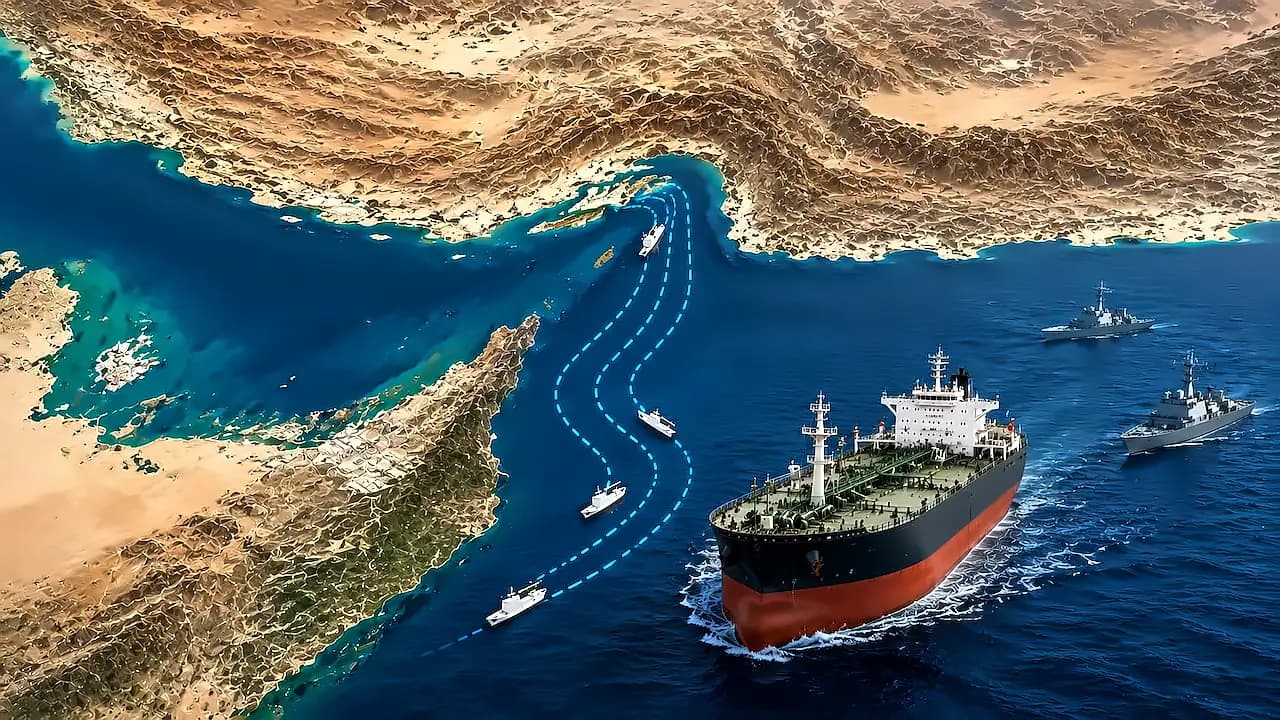
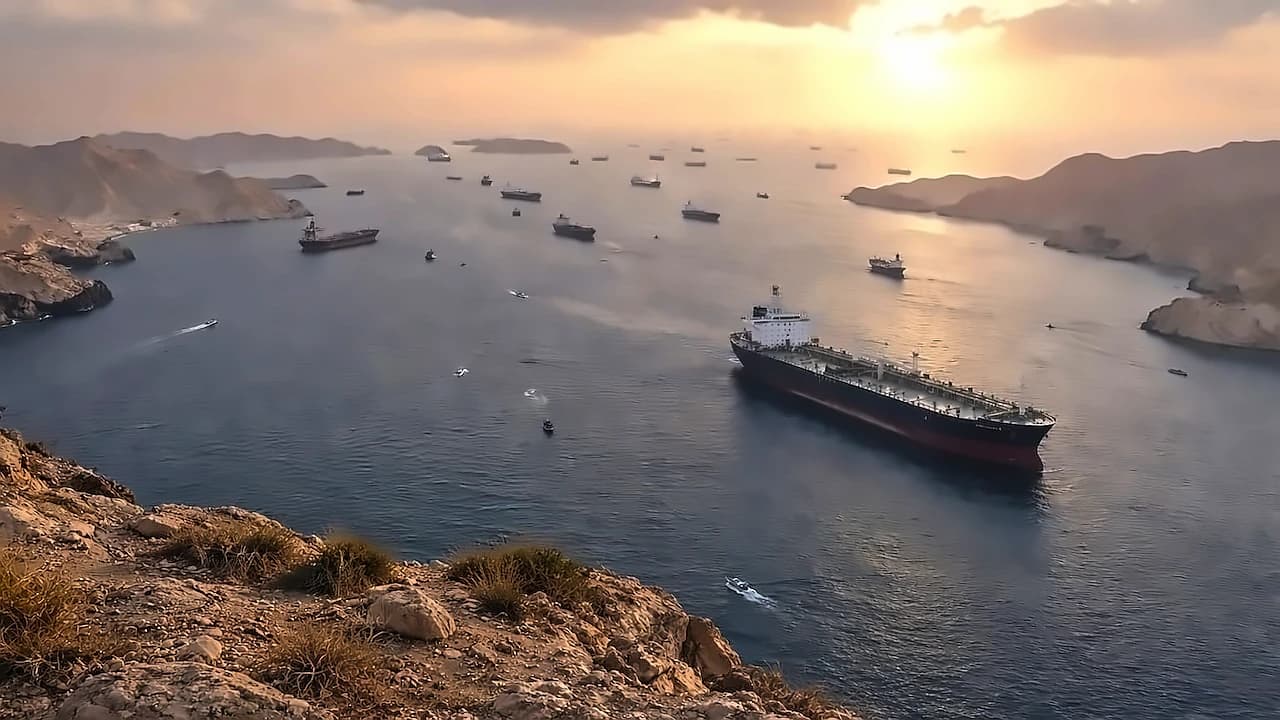
Strait of Hormuz vessel traffic has collapsed to just 13 crossings per day between July 17-19, representing a 50% decline from the previous week's 248 crossings, according to S&P Global data. The shipping ministry confirmed that only 59 vessels have safely transited the strait since March 1, 2026, with 23 Indian-flagged and 36 foreign-flagged ships carrying cargo for India evacuated from the critical chokepoint. Commercial vessels accounted for more than 70% of total traffic over July 17-19, though only around one-third of crossings were assessed as compliant, highlighting the continued predominance of Iran-linked and sanctioned vessels. Total crossings for the week ending July 19 fell to 127, equivalent to an average of 18 transits per day, down from the previous week's 248 crossings, as reported by S&P Global.
India has evacuated 59 vessels from the Strait of Hormuz since March 1, 2026, with two Indian-flagged container vessels currently in the region west of the strait as of July 17, 2026, according to Shipping Minister Sarbananda Sonowal's statement to the Rajya Sabha. The two vessels are CMA CGM DIAMOND and CMA CGM MANAUS, carrying general cargo, while four other Indian-flagged vessels engaged in Gulf region trade do not need to exit as of the current date. The ministry has engaged with all stakeholders to facilitate evacuation of vessels of Indian interest, with India ordering shipowners and operators not to deploy Indian seafarers on vessels traveling through the Strait of Hormuz amid renewed hostilities. India is the world's third-largest supplier of seafarers, with more than 300,000 sailors working across global shipping fleets.
The United States military has concluded its 10th consecutive night of military strikes on Iran, marking one week of nightly attacks on Iranian targets. According to Business Standard, the latest strikes targeted 'Iranian military command centers, air defense and coastal surveillance sites, maritime capabilities, missile and drone launch sites and communications networks' using fighter jets, drones and warships. The command stated that 'The strikes are designed to further degrade Iranian military capabilities used to attack commercial shipping' as the conflict enters its 140th day. The US military has redirected four commercial ships since President Trump ordered a blockade on Iranian ports, with one additional ship disabled by firing a missile at its smokestack. Since July 7, commercial vessels operating in the Gulf region have faced increasing risks after both countries intensified military strikes, raising fears over the security of one of the world's most critical energy corridors.
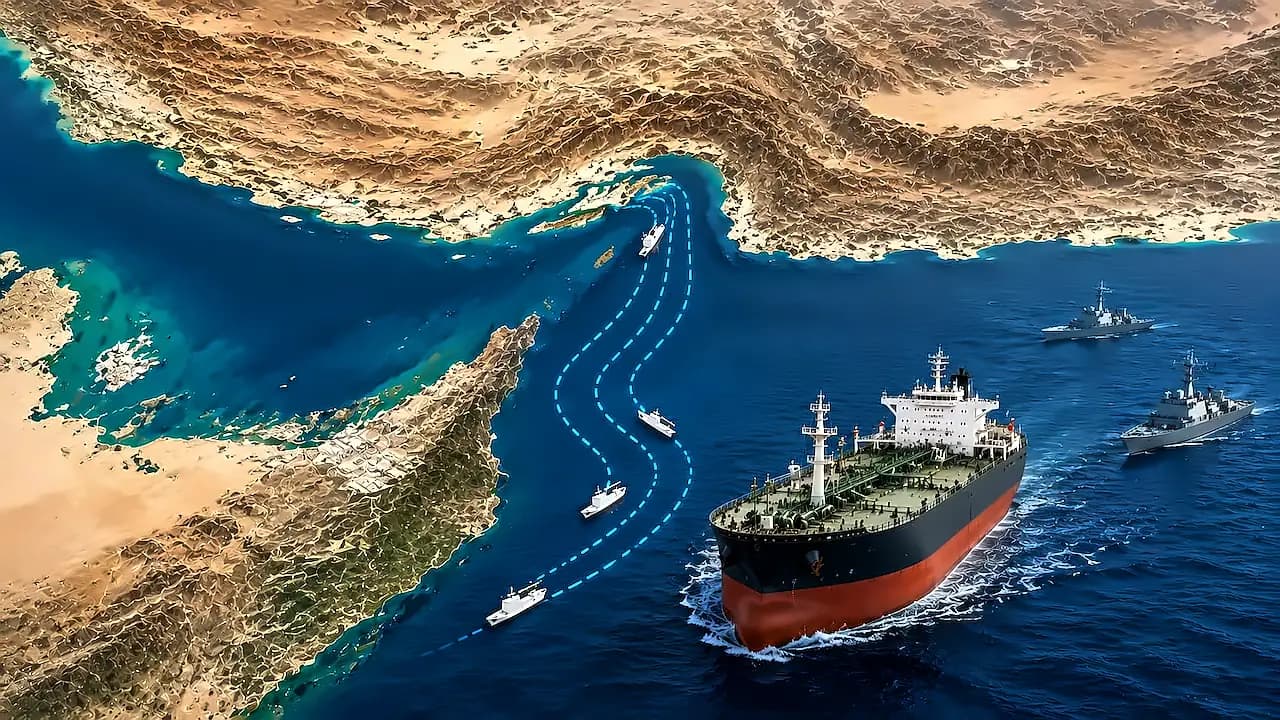
On Sunday, the Islamic Revolutionary Guard Corps issued a statement that four vessels switched off their transponders and attempted to transit Hormuz via an 'unsafe route' after disregarding warnings, according to Business Standard citing Iranian media reports. Two were 'met with accidents and were stopped in their tracks,' Iranian media reported, citing the IRGC. The UK Maritime Trade Operations (UKMTO) said it had received a report of an incident northwest of Kumzar, Oman, in which a vessel was on fire after being struck by an unknown projectile. The blaze hasn't been extinguished and the ship is adrift, UKTMO said in a statement, without identifying the vessel. Iran's Islamic Revolutionary Guard Corps (IRGC) also reported on Monday that two oil tankers had 'exploded' and become immobilised after attempting what it described as an unsafe southern route through the Strait of Hormuz. A day earlier, the IRGC also referred to two ships involved in what it called an 'accident' in the same area, though it remains unclear whether those incidents are connected to the fire aboard the Kavomaleas.
The flare-up in violence in the West Asia has raised concerns about deepening disruptions to crucial energy flows — including liquefied natural gas — from the Persian Gulf to global customers. Oil and European gas prices jumped on Monday after the weekend attacks before paring gains, according to Business Standard. Shipments through the Strait of Hormuz are now declining as strikes by both sides have re-escalated, dropping to just three commodity tankers on Thursday, the fewest daily transits since May, shipping data showed. According to Kpler data, crude and condensate exports from Saudi Arabia, the United Arab Emirates, Iraq, Kuwait and Iran rose about 16% from the whole of June's daily average to 12 million barrels per day (bpd) in the first half of July. Vortexa estimated exports during the period at an even higher 13.06 million bpd. Saudi Arabia has diverted most of its energy exports through its Red Sea port of Yanbu, with 75% of its 5.29 million bpd crude and condensate exported from Yanbu so far in July, Kpler data showed. 'We're seeing a slowdown in activity, which means that countries will have to reduce output, which decreases the amount of crude that will be shipped,' Kpler analyst Johannes Rauball said. Even after the rebound, exports remained about 32% below February's pre-war peak of 17.6 million bpd. A new potential threat to energy markets emerged Monday after Iran-backed rebels in Yemen said they planned to prevent Saudi Arabia from shipping in the Red Sea, an alternate route for oil exports during the war.
The conflict's impact extends beyond military targets, with civilian casualties mounting across the region. An Indian seafarer who went missing after an Iranian attack on his ship on Sunday has been confirmed dead, the Forward Seamen Union of India said in a statement. Herambh Karmarkar, 30, was serving as a third engineer on the MV GFS Galaxy in the Gulf of Oman, near the Strait of Hormuz, when the vessel was struck by Iranian Revolutionary Guard forces. 'While 10 other Indian crew members were rescued, Mr. Karmarkar, who was on duty in the engine room, went missing initially,' the statement said. 'His death was confirmed by the ship operators to the family on 15 July 2026.' This week, India ordered shipowners and operators not to deploy Indian seafarers on vessels traveling through the Strait of Hormuz amid renewed hostilities. The US military identified two soldiers who were killed in Jordan in attacks that left a third person missing, and separately confirmed another death in Iraq on Saturday during the 'controlled detonation' of a downed Iranian drone'. President Donald Trump took to social media on Monday to warn that 'Every time Iran kills an American Soldier they will pay for that killing many times over!'