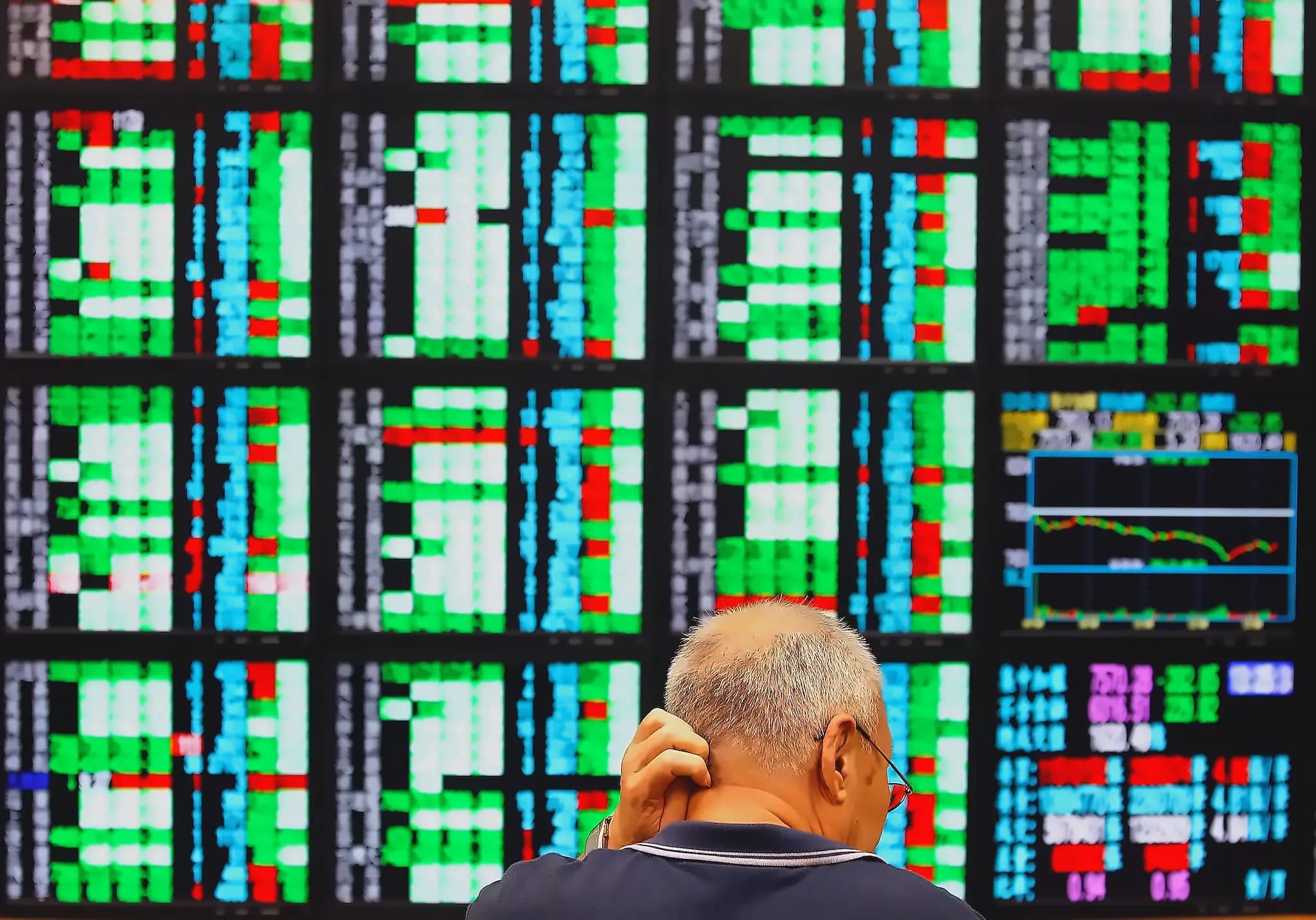
Asian equity markets surged to record highs as optimism surrounding the reopening of the Strait of Hormuz and easing inflationary pressures drove risk appetite. According to The Economic Times, the MSCI Asia Pacific Index rose 0.1%, heading for a sixth day of gains, while South Korea's Kospi jumped more than 2.5%. The Nikkei climbed 3.0% as the prospect of cheaper oil will be a boon to Japan, which is a net importer of energy. In Europe, EUROSTOXX 50 futures and DAX futures both rose 0.2%, while FTSE futures added 0.3%. S&P 500 futures climbed 0.9% and Nasdaq futures jumped 1.5% amid a general surge in risk assets. As per Reuters, the prospect of a sustained fall in energy prices changes the conversation for central banks just ahead of a flurry of policy decisions.
The semiconductor sector experienced a dramatic surge, with a gauge of chip stocks surging more than 6% to an all-time high, led by Intel Corp., after President Donald Trump announced that the company would work with Apple Inc. to design and manufacture semiconductors in the US. According to The Economic Times, this positive semiconductor news, coupled with the broader peace deal optimism, boosted investor confidence significantly. The rally reflects growing confidence in the technology sector's prospects, particularly as supply chain issues continue to ease following the US-Iran interim peace deal.
Gold prices experienced a dramatic 2% surge to $4,304.11 per ounce, hitting their highest level since June 9 as U.S. and Iran officials announced a preliminary deal to end their conflict. According to The Economic Times, the precious metal had fallen about 20% since the start of the U.S.-Israeli war against Iran in late February, but the peace agreement has provided significant relief. U.S. gold futures for August delivery rose 2% to $4,325.20, while spot silver rose 3.1% to $70.07 per ounce, platinum gained 3.1% to $1,771.27, and palladium climbed 3.3% to $1,325.76. As per KCM Trade chief market analyst Tim Waterer, "Lower oil prices and a softer dollar, stemming from reduced geopolitical risk and the anticipated reopening of the Strait of Hormuz, are helping to calm inflation expectations." The agreement, set to be officially signed on Friday in Switzerland, will make bullion cheaper for foreign buyers and reduce expectations of U.S. interest rate hikes.

Oil prices experienced sharp declines as the peace deal raised supply expectations and shipping through the Strait of Hormuz returned to normal. As reported by The Economic Times, Brent crude fell toward $79 a barrel, with prices having tumbled by more than 9% this week as the US-Iran interim peace deal saw shipping through the Strait of Hormuz start to return to normal, easing the global crude market's biggest ever supply shock. The potential reopening of the Strait of Hormuz, a key oil shipping route, has reduced geopolitical risk premiums in energy markets. Markets had already priced in a likely deal but the confirmation was enough to send Brent crude falling 4% to $83.80 a barrel, well away from its May peak of $126.41. U.S. crude slid 4.7% to $80.89 a barrel, but remained above the $67 level it traded at before the war began. According to CBA analyst Vivek Dhar, "We see Brent oil futures falling to $80 by the end of the year assuming the strait does not close again", though this view carries considerable uncertainty tied to damage to oil and refinery assets.
Share markets surged across Asia as the peace deal promised to ease inflationary pressures globally and reduce the need for higher interest rates. According to The Economic Times, South Korea's red-hot market gained 4.3%, while MSCI's broadest index of Asia-Pacific shares outside Japan rose 1.5%. The Nikkei climbed 3.0% as the prospect of cheaper oil will be a boon to Japan, which is a net importer of energy. In Europe, EUROSTOXX 50 futures and DAX futures both rose 0.2%, while FTSE futures added 0.3%. S&P 500 futures climbed 0.9% and Nasdaq futures jumped 1.5% amid a general surge in risk assets. As per Reuters, the prospect of a sustained fall in energy prices changes the conversation for central banks just ahead of a flurry of policy decisions.
The news will be a relief for central banks meeting this week, easing pressure to tighten policy to head off an energy-driven rise in inflationary expectations. According to The Economic Times, the Federal Reserve is widely expected to leave rates at 3.50%-3.75% on Wednesday at Chair Kevin Warsh's debut meeting. Markets have scaled back expectations for a U.S. interest rate hike in December to 47% after the peace deal, down from 69% last week, according to the CME FedWatch tool. The Bank of Japan announces its policy decision on June 16, with a 25-basis-point rate hike largely expected. The Federal Reserve meets on June 17, where investors will look for signals regarding potential policy tightening later this year. The Bank of England held rates at 3.75%, saying the recent drop in oil prices was "encouraging," even as two of the nine policymakers voted for an immediate quarter-point hike over concerns of persistent inflation. As per Forex.com analyst Fawad Razaqzada, "My view remains that inflation should moderate gradually over the coming months, and this might allow the Fed to maintain current policy settings rather than implement fresh tightening."