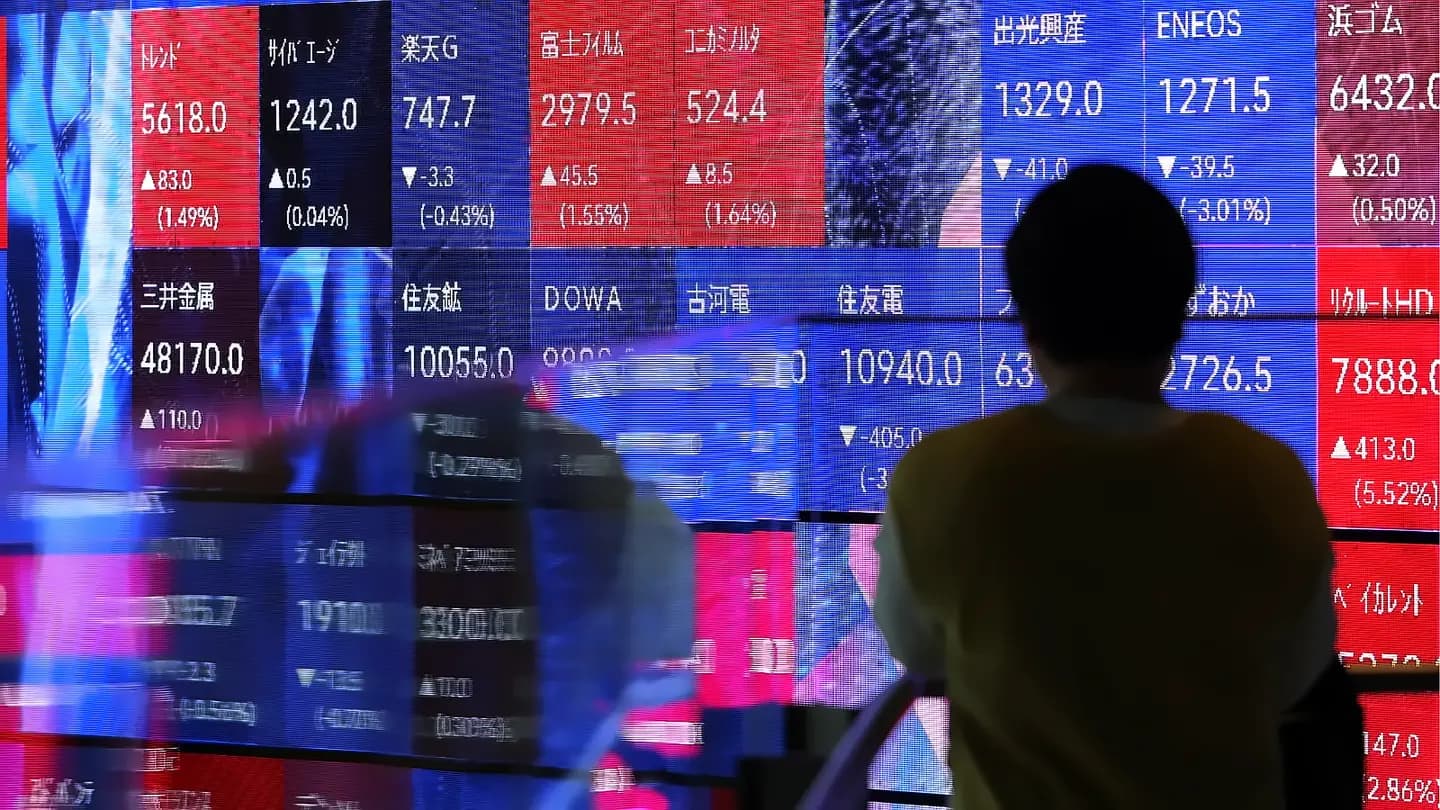
Asian markets experienced a dramatic surge on Monday, with South Korea's Kospi rising as much as 5.6% to 8,577.62, while Japan's Nikkei 225 gained 5.4% to 69,367.06, logging another record high. According to The Times of India, Chinese blue-chip stocks gained 1.4%, Hong Kong's Hang Seng rose 0.6% and Australia's S&P/ASX 200 advanced 1.4%, with MSCI's broadest index of Asia-Pacific shares outside Japan climbing 1.5%. The Kospi's performance was particularly notable, having roughly doubled over the past six months and reaching a record closing high of 8.801.49 on June 2. Buying was heaviest for technology shares, especially those related to artificial intelligence, with the boom in AI driving gains in Japan where the benchmark has gained more than 80% in the last year. In Europe, EUROSTOXX 50 futures and DAX futures both rose 0.2%, while S&P 500 futures climbed 1.7% and Dow Jones futures gained 0.9%, with futures for the S&P 500 up 1.7% amid a general surge in risk assets.
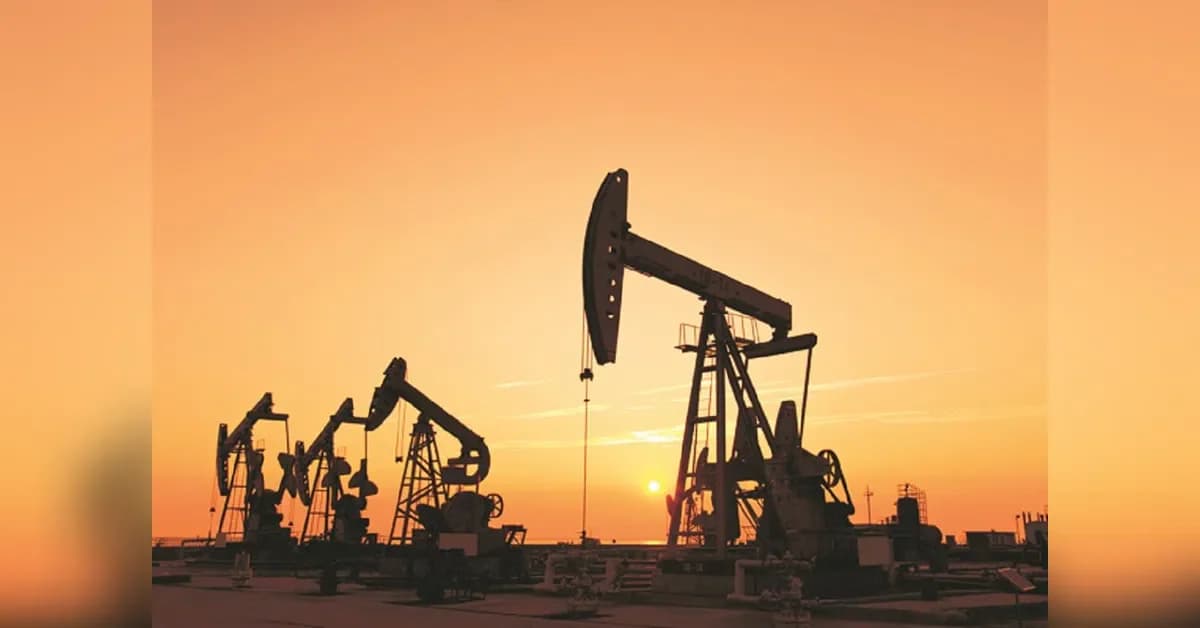
US President Donald Trump and Vice President JD Vance signed an electronic copy of a memorandum of understanding with Iran, a senior US official confirmed in a call with reporters. According to CNBC TV18, Hormuz "is already partially opened," and "it'll be completely opened" Friday, Trump said during a meeting with French President Emmanuel Macron. The deal announcement came first from Pakistani Prime Minister Shehbaz Sharif, with Iran's Deputy Foreign Minister Kazem Gharibabadi confirming that talks on a comprehensive agreement would continue over the next 60 days. Oil prices recorded their sharpest fall in weeks as traders welcomed the prospect of normalized crude flows through the Strait of Hormuz. According to The Times of India, Brent crude futures dropped more than 4% to around $84 a barrel, while US West Texas Intermediate crude fell over 5% to near $80 a barrel, with both benchmarks touching their lowest levels since March. Energy experts said shipping and insurance companies will want to be confident the pact will hold, ensuring that oil and gas supplies will flow freely enough for the world's needs to be met.
Oil marketing companies (OMCs) experienced significant gains on Monday, with shares rising up to 4.6% following the decline in crude oil prices. According to reports from Business Standard, Hindustan Petroleum Corporation Limited (HPCL) shares were trading 3.9% higher at ₹379.95 per share, while Bharat Petroleum Corporation Limited (BPCL) gained 3.8% at ₹297.3 per share and Indian Oil Corporation Limited (IOCL) rose 2.8% at ₹138.15 per share. In comparison, the BSE Sensex was up 0.99% at 74,567.09 during the same period. The continued rally in OMC stocks reflects investor confidence in potential improvements in refining margins and operational efficiency as crude oil prices moderate. A resumption in Middle Eastern oil flows could help unwind the geopolitical premium embedded in crude prices, offering relief to policymakers battling inflation. The prospect of cheaper oil will be a boon to Japan which is a net importer of energy, and the Nikkei climbed 3.0% as reported by The Economic Times.
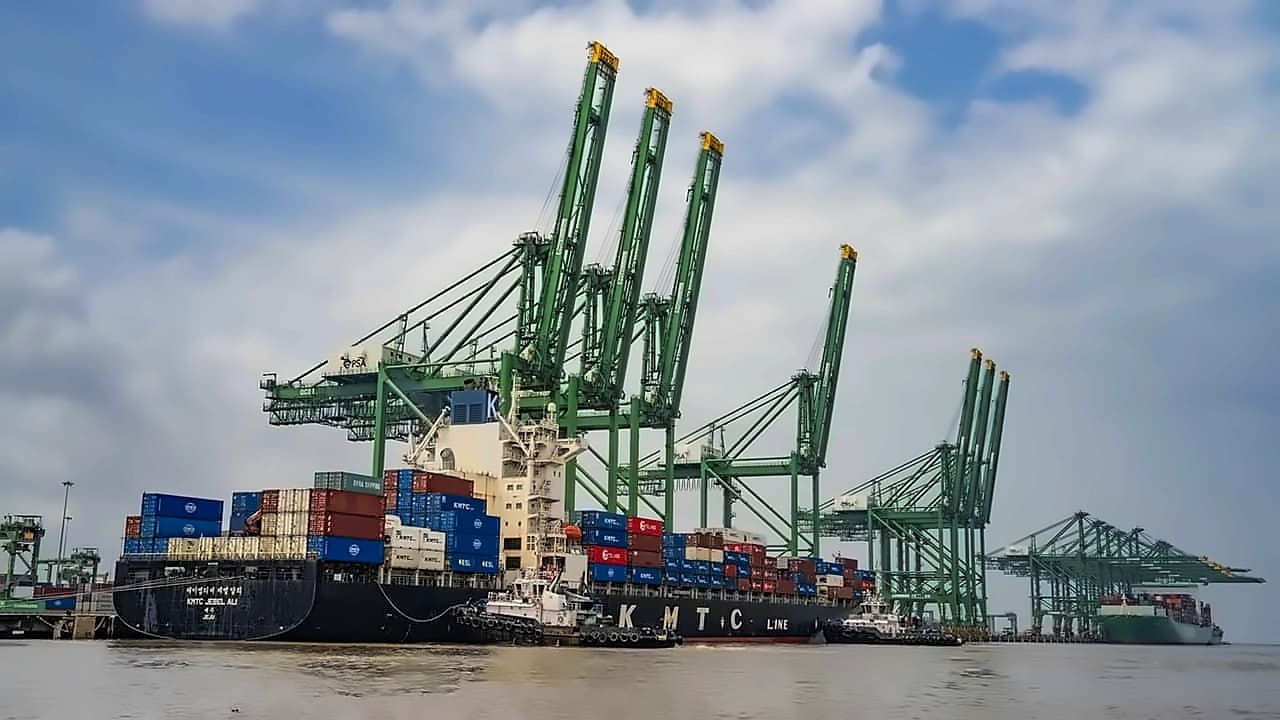
The unblocking of the Strait of Hormuz would be a major step toward relieving supply chain pressures that have weighed on Asian manufacturers since the conflict broke out. According to Moneycontrol, before the war, Japan relied on the Middle East for more than 90% of its oil imports, and the blockade resulted in production cuts and price hikes across the petrochemical industry. Trump confirmed the agreement included opening the vital Strait of Hormuz, though without giving details, while Iran said traffic through the strait would be regulated by it and Oman. This potential toll on shipping represents a potential blow to the rules of free trade and suggests there might be a toll of some sort on shipping. However, Sean Callow, a senior FX analyst at ITC Markets, noted that "The lack of details especially on freedom of shipping is a concern but not one that should constrain markets today as the surge in risk appetite plays out." Japan's Prime Minister Sanae Takaichi wrote on X that the agreement was a "major step toward a resolution" and hoped that "free and safe navigation in the Strait of Hormuz will actually be ensured." Australia's Prime Minister Anthony Albanese and Foreign Minister Penny Wong said they were pleased that the agreement included steps toward reopening the strait and restoring freedom of navigation, with the statement noting that "While full recovery will take time, restoring this vital trade corridor is essential to easing pressure on energy prices and economies, including in our region."
While the Strait of Hormuz reopening would offer near-term relief for Asia, economists warn that the shock waves of the crisis are likely to ripple through the end of the year, and possibly well beyond. According to Business Standard, over the past three-and-a-half months, currencies across Asia have plummeted, inflation has surged, and supply-chain bottlenecks have begun to choke industrial production. Joshua Ngu, vice chairman of Asia Pacific at energy consultancy Wood Mackenzie, noted that "Every day the strait has remained closed, the economic disruptions have grown exponentially and bled further down the supply chain." Liquefied natural gas prices in Asia are typically indexed to oil prices and operate with a three- to six-month price lag, meaning that even if oil prices come down in June, elevated natural gas prices are likely to persist through the end of the year. Supply-chain snarls are poised to drag on as well, with the global fertilizer supply disruption affecting five major exporters that collectively supply more than one-third of the world's urea stocks. Albert Park, chief economist at the Asian Development Bank, warned that "A disruption of a month or so is manageable, but if it bleeds far into the planting season, the reduction in crop yields raises serious food security issues." Haruhiko Sakaino, an adviser to Japan's Agency for Natural Resources and Energy, said that restoring supply chains to normal will likely take at least a year after West Asian shipments resume, noting that "It's like capillaries that have been destroyed. They take a long time to recover."