According to reports from Investing.com India, democratic socialism has gained significant political momentum in the United States, with a self-described democratic socialist being sworn in as mayor of the largest city on January 1st. Socialist candidates have swept primaries, sending the largest bloc of socialist legislators in New York history to Albany and two more to Congress. A billionaire governor, JB Pritzker, has endorsed these socialist wins as 'the recipe for winning in 2026 and beyond'. However, recent polling data reveals a growing divide within the Democratic Party regarding socialist policies. CBS News polling shows nearly 60% of Democrats have a positive view of socialism, while 49% of Democratic voters are concerned with the rise in socialism or communism according to The Center Square's Voters' Voice Poll. The polling data comes as several democratic socialist candidates across the country, including in New York, Colorado, Michigan, California, and even Florida, have received the nod from Democratic voters to advance to the November elections. AOC has polled ahead of corporate Democrats Gavin Newsom and Kamala Harris in prediction markets for the 2028 presidential election, despite the unpopularity of Trump with 69% now believing he has financially profited from the presidency (Reuters, 19 August 2026).

As reported by Investing.com India, the analysis acknowledges that capitalism has inherent flaws, including uneven distribution of rewards, boom-and-bust cycles, and the creation of a K-shaped economy where asset owners have pulled away from wage earners after 2008 and 2020. The piece notes that housing, healthcare, and childcare have outrun paychecks, leading younger workers to conclude the system is rigged. However, the analysis argues that much of this anger stems from serial bailouts since 2008, which have socialized losses for the powerful while ordinary citizens absorb the cost. The analysis suggests that this represents capitalism being corrupted rather than functioning as intended. Recent data shows that 53% of Gen Z hold a positive view of socialism and 38% view communism favorably (Cato Institute survey, 2026), representing a dramatic shift from decades of Cold War-era red scares experienced by their parents and grandparents.
The political divide over socialism has intensified with strong warnings from both political parties. President Trump has warned that 'Communism is a disaster. It’s been proven to be for thousands of years under different names, but same thing...Whether you call them radical socialists or communists is not that much, but there's little difference.' He continued by warning that it is difficult to 'come back' from communism, stating 'You die in squalor, and it gets very evil and very nasty.' U.S. Sen. John Fetterman, D-Penn., has been outspoken on several self-proclaimed democratic socialists gaining popularity within the Democratic party, citing the CBS News poll that found nearly 60% of Democrats have a positive view of socialism. Fetterman has called the Democratic Party 'the party of socialism' and stated 'The Democratic Party is becoming the party of socialism. 58% view socialism positively. 50% view capitalism negatively. I'm a proud free market capitalist. This is lunacy.' Veteran Democratic strategist James Carville has called on the Democratic Socialists of America to drop the word 'Democratic' from their name to distance the party from leftist policies.
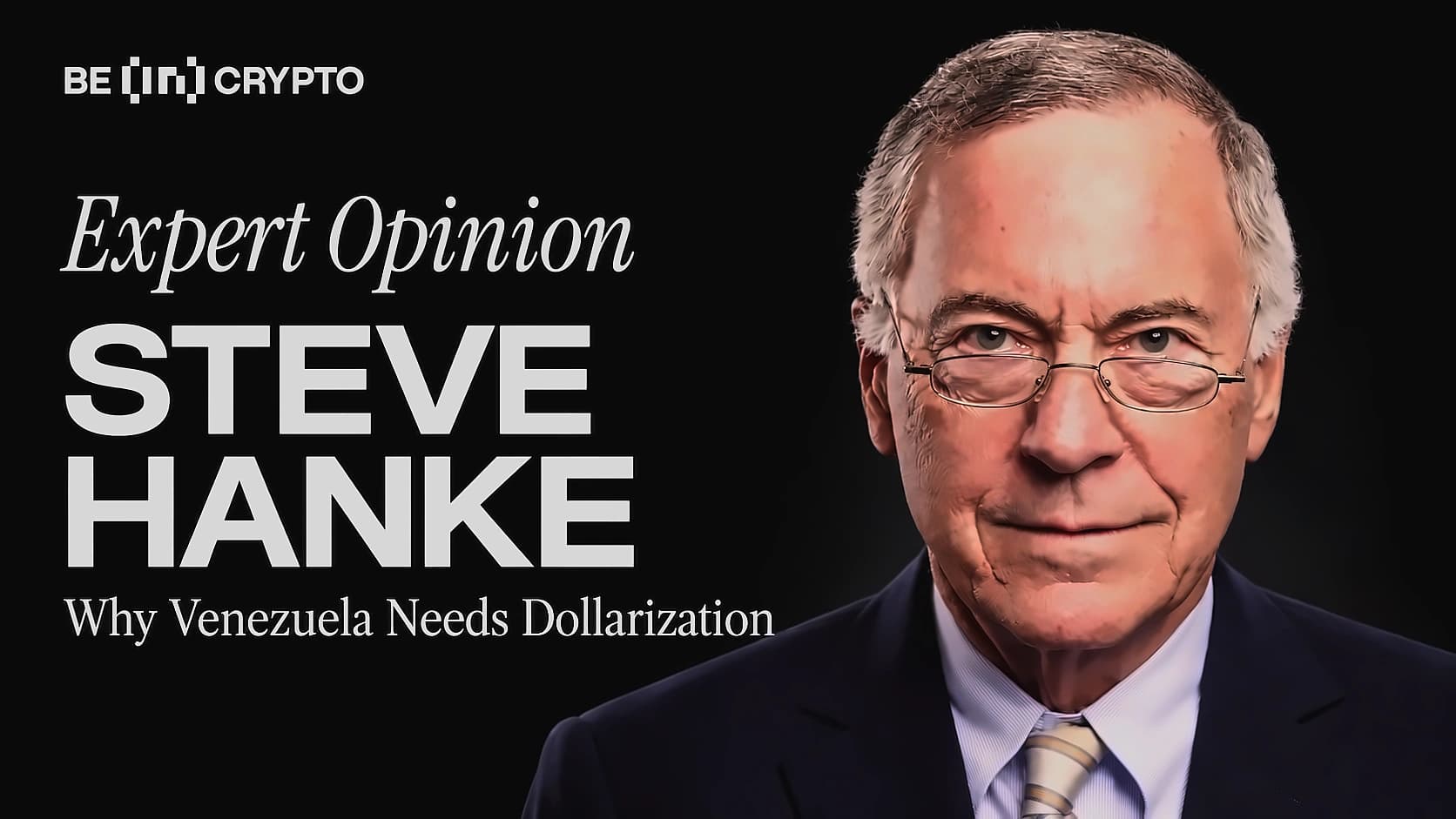
According to the analysis, Venezuela provides the most extreme example of socialist economic failure, despite being the richest country in Latin America with the world's largest oil reserves. The country nationalized hundreds of companies, imposed price controls, and expropriated private land under Hugo Chavez and Nicolas Maduro. The result was a deepest peacetime economic collapse in modern history outside of war, with output per person falling by roughly three-quarters, food production dropping 75%, and inflation crossing a million percent. Nearly eight million people walked out of the country on foot, demonstrating the self-inflicted nature of the collapse. The analysis notes that while U.S. sanctions arrived later, the collapse was well underway before 2017, and other oil states rode out the same 2014 price crash with their economies intact.
As reported by Investing.com India, the analysis challenges the Nordic countries as examples of successful democratic socialism, noting that Denmark's prime minister traveled to Harvard to clarify that 'Denmark is far from a socialist planned economy. Denmark is a market economy.'' The Nordic countries rank among the freest economies globally, with Denmark at #10 on the Fraser Institute's index, ahead of most of Europe. These countries maintain flexible labor markets, no legislated national minimum wage, strong property rights, aggressive free trade, corporate taxes lower than the U.S., and Sweden's nationwide school voucher system. The analysis notes that Denmark got rich first as a low-tax economy before reforming toward markets in the 1990s, and that the Nordic model pays for its welfare state by taxing the middle class, not just billionaires.