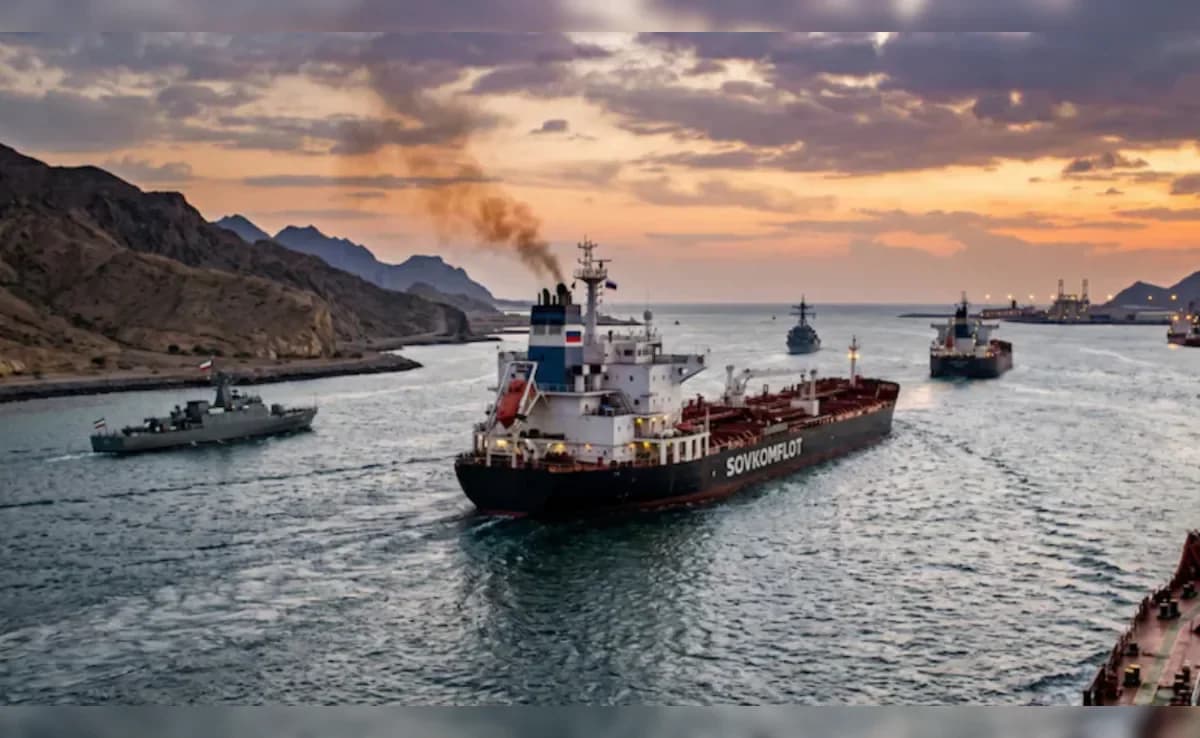
At least eight ships attempting to leave the Persian Gulf along the Omani coast turned back between Friday and Saturday, in the latest sign that reopening the Strait of Hormuz remains complicated by Iran seeking to assert its control over the key waterway. According to ship-tracking data, the vessels - including oil tankers, bulk carriers and vehicle carriers - were observed sailing toward the Strait of Hormuz, with some making sharp reversals after reaching the tip of the Musandam Peninsula. One crude tanker, two products tankers, and one bulk carrier then sailed northward to take an outbound route as dictated by Iran. Some of the vessels continued with their transits by switching to a route closer to Iran, demonstrating the complex navigation challenges facing maritime traffic. It remains unknown why the ships have U-turned, though Iran has repeatedly said that vessels should only transit the strait through the authorized route designated by the Islamic Republic. Over the past few months, vessels attempting to leave the Persian Gulf have reported hearing Iranian forces warning over radio communications that they needed permission from Tehran for their crossings, with some being attacked for proceeding with their journeys, sparking wider concern over coordinating transits through the strategically vital waterway.
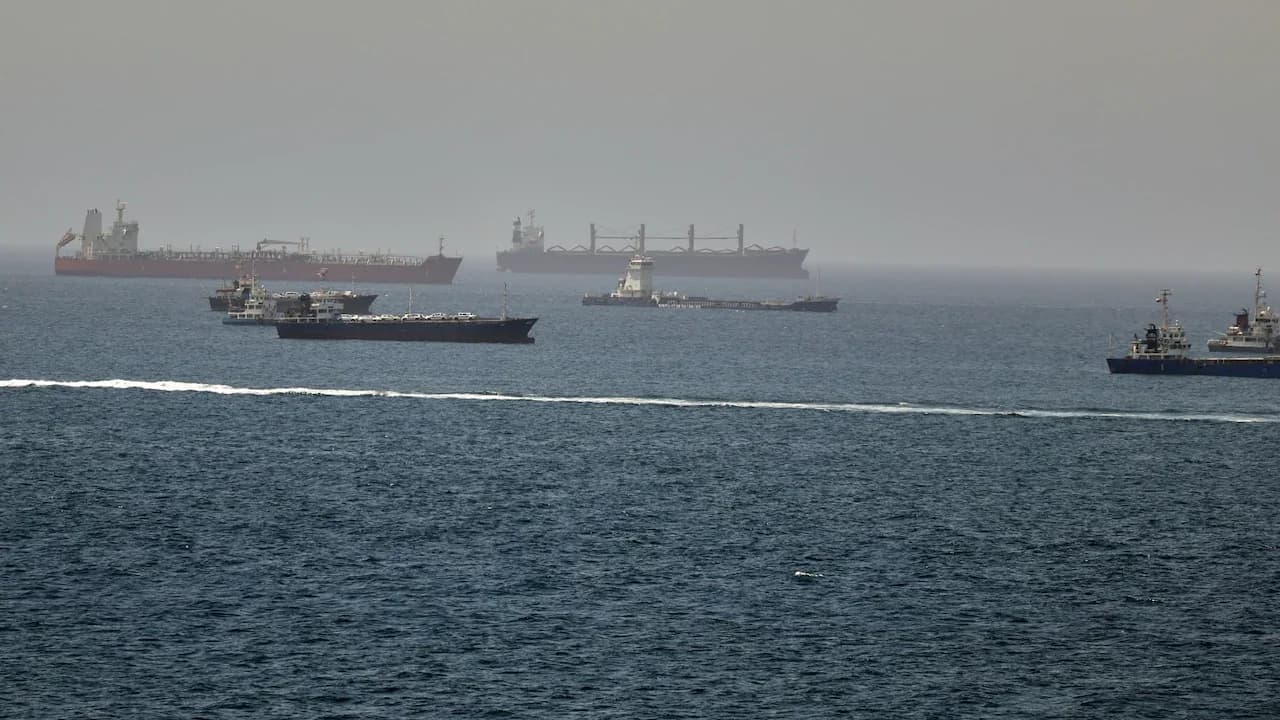
Technical-level talks are currently underway in Doha, Qatar, as reported by Al Jazeera sources, though senior US-Iranian negotiators are not meeting face-to-face. The diplomatic efforts continue amid the latest maritime incident, with US Middle East envoy Steve Witkoff and Jared Kushner holding discussions in Doha alongside Iranian representatives. These talks coincide with the container ship grounding and highlight the ongoing tensions in the region, with the latest incident underscoring the challenges in maintaining free navigation through the strategically vital strait. According to Pakistani Foreign Ministry spokesperson Tahir Andrabi, Wednesday's talks saw 'positive progress,' with Pakistan hoping the next round of talks would be scheduled as soon as possible after Khamenei's funeral.
Despite the escalating tensions, ship traffic in the strait continues to rebound significantly. Around 34 commodity vessels have crossed the strait daily on average since Monday, a notable increase from the daily averages for much of the war, but still a far cry from pre-war levels when about 130 vessels passed through daily. Between June 30 and July 1, 65 ships crossed along the Omani side, with 59 of them being supported by the US, according to data from the Joint Maritime Information Center. However, Richard Meade, editor-in-chief at Lloyd's, noted that traffic remains far below pre-war levels when about 130 vessels passed through daily. The US military's Central Command had previously stated that leaders underscored their shared commitment to the free flow of commerce through the strait, which could have sparked Iran's latest warning.
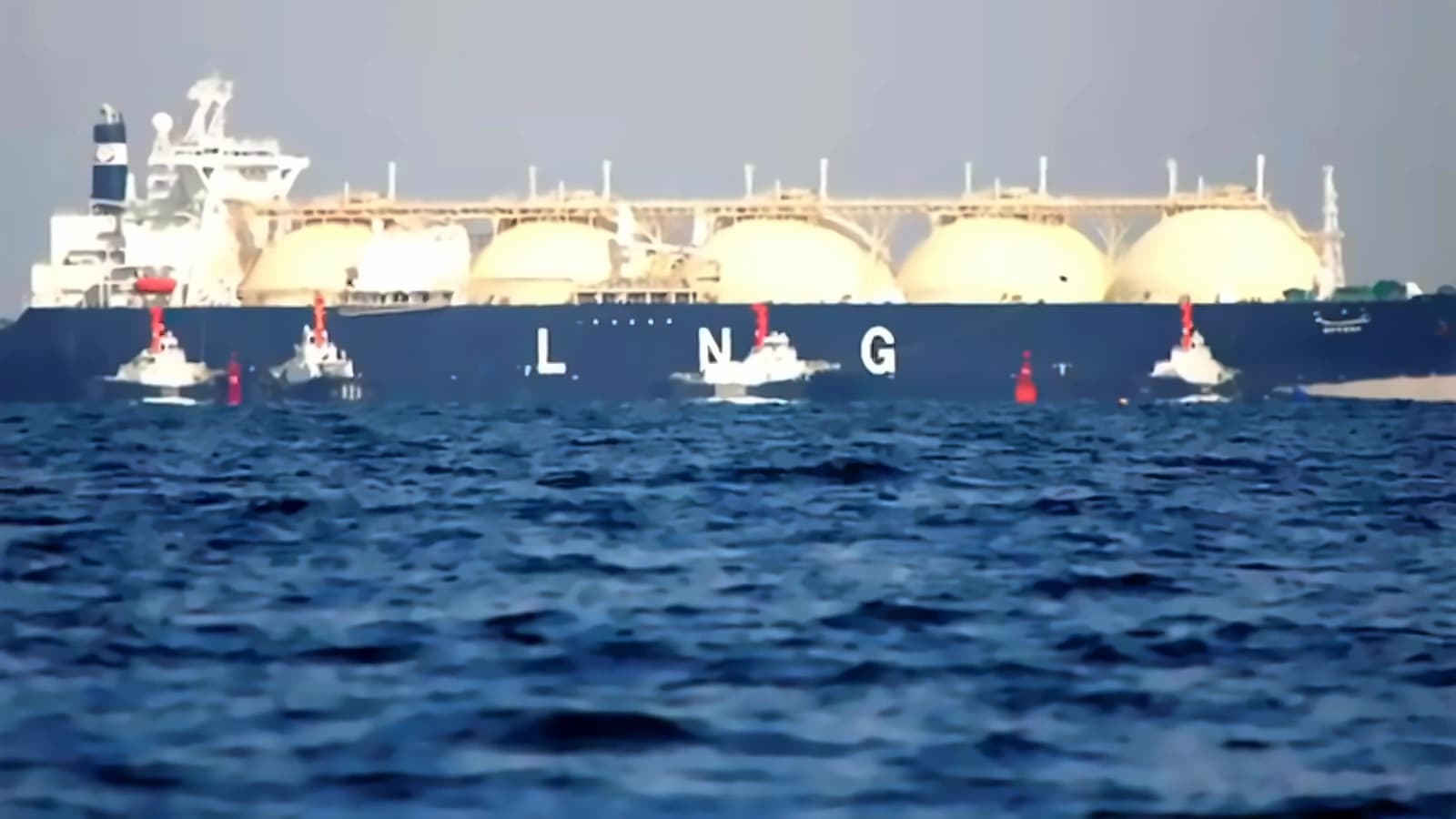
The Strait of Hormuz represents one of the most strategically significant fronts in ongoing negotiations, with almost 20% of the world's oil and a substantial share of Liquified Natural Gas (LNG) passing through the waterway. Despite a mid-June deal between the US and Iran to reopen the strait, Tehran has continued to claim its control over the vital corridor, while the US continues to support vessels' transits along the Omani coast. Any disruption in this transit results in an immediate effect on global oil prices and energy security, as noted by energy analysts. The Strait of Hormuz serves as the narrow mouth of the Persian Gulf and handles a significant share of the world's oil and natural gas shipments during normal conditions. While discussions involving regional stakeholders have continued, differences continue to arise over who should regulate navigation through the waterway, with Tehran maintaining that vessels should follow routes approved by Iranian authorities, while US and its allies have advocated for unrestricted freedom of navigation through international waters.
Iran's joint military command issued a stark warning Thursday that all oil tankers moving through the Strait of Hormuz must use its approved routes or face 'an immediate and forceful response from the armed forces', as reported by Iranian state television. The statement from the Khatam al-Anbiya military command comes after both US and Iranian diplomats met with mediators Wednesday in Qatar, with the threat ratcheting up tensions over the waterway crucial for international energy supplies. The warning was announced by Iran's Khatam al-Anbiya military command and broadcast on Iranian state media, according to AP reports. 'Any failure to comply, deviation from the designated route, or disregard for the navigation protocols of the Islamic Republic of Iran in the Strait of Hormuz will be met with an immediate and forceful response from the armed forces, endangering the security of the violating vessels,' the statement warned. It also threatened that 'interference by US forces in the strait will be met with a rapid and decisive reaction.'
The incident comes as Tehran continues to assert greater control over shipping movement through the Strait of Hormuz, a globally important maritime passage that handles a significant share of the world's oil and natural gas shipments during normal conditions. Iranian authorities said ships entering or leaving the waterway must follow instructions issued by the naval forces of the Islamic Revolutionary Guard Corps (IRGC). The Guard warned international shipping operators that using routes other than Iran-designated passages could result in serious incidents, with the navy 'repeatedly warning captains, shipowners and officials of shipping companies around the world that any entry or exit through routes other than the "Route of Authority" in the Persian Gulf could lead to irreparable incidents.' The risk tolerance of tanker companies and their crews is crucial to returning the global oil market to normal, with some vessels being attacked for proceeding with their journeys, sparking wider concern over coordinating transits through the strategically vital waterway.