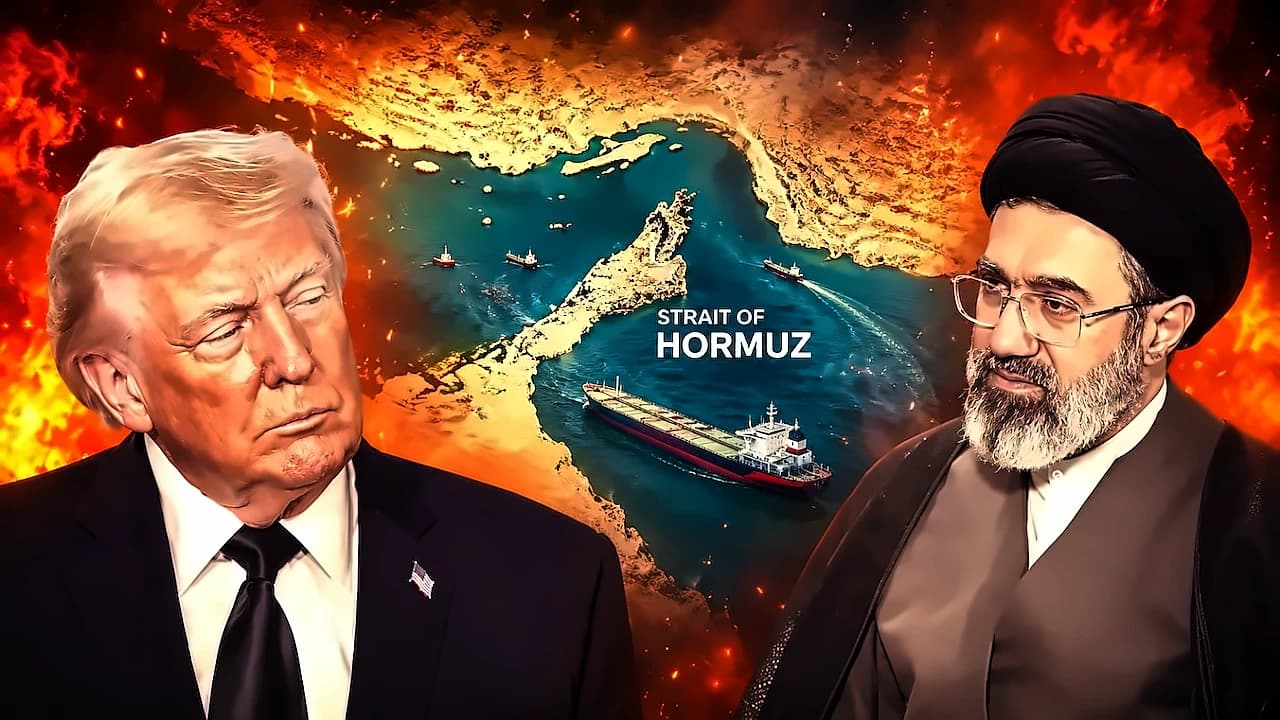
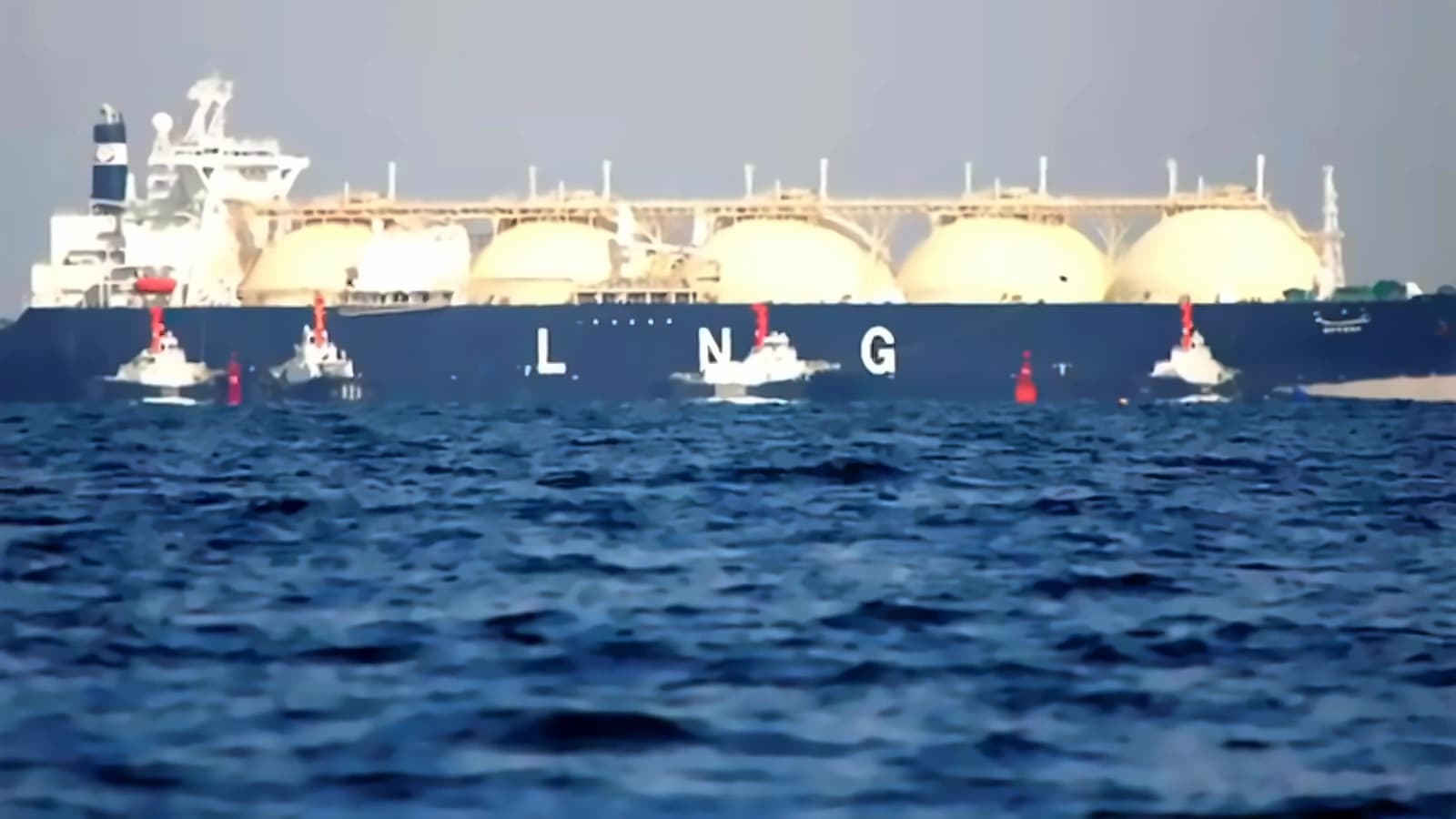
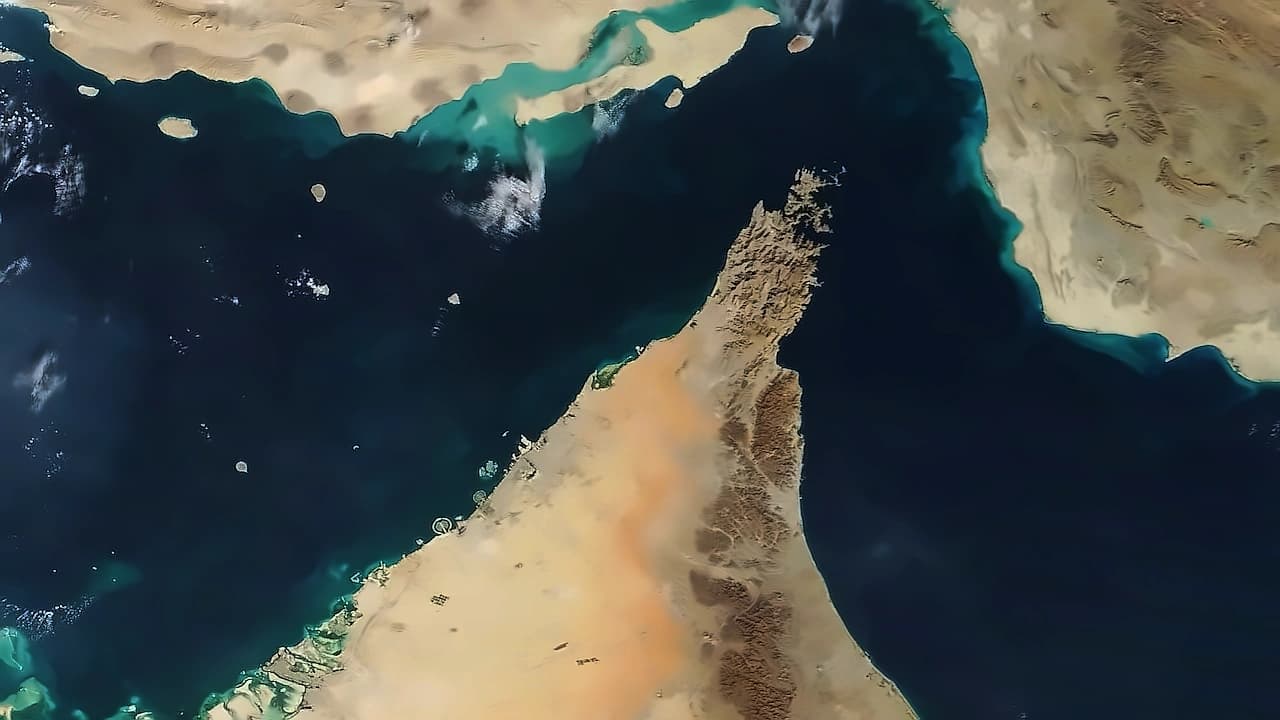
A massive maritime backlog has emerged as one of the biggest threats to global energy and commodity supply chains, with nearly 360 loaded cargo vessels currently stranded inside the Gulf region. According to shipping intelligence firm Kpler, as reported by The Financial Express, the bottleneck has intensified despite US-backed efforts to facilitate evacuation of commercial vessels trapped in the region. Even under what shipping analysts describe as a 'best-case' emergency evacuation scenario, only around 40 ships per day can safely exit the strategic waterway, a pace that could leave the global shipping system clogged for weeks. The crisis has now escalated further with tensions spiking after a ship anchored off the United Arab Emirates was seized and taken toward Iran and another was attacked and sank near the coast of Oman.
President Trump and Chinese President Xi Jinping reached a significant diplomatic agreement during their Beijing summit, with both leaders committing that the Strait of Hormuz must remain open and that Iran cannot possess nuclear weapons. As reported by the White House, the two sides agreed that the Strait of Hormuz must remain open to support the free flow of energy, with President Trump noting that Xi "would like to see a deal made" and has offered to help facilitate negotiations. Treasury Secretary Scott Bessent confirmed that China will do what it can to reopen the Strait of Hormuz, stating it is "very much" in China's interest to see the waterway reopened. This development comes as both countries share concerns about the war's impact on global oil trade, with China being the world's largest purchaser of Iranian oil.
In response to growing concerns over Strait of Hormuz disruptions, the UAE is accelerating plans for a second pipeline bypassing the strategic waterway, as reported by India Today. This strategic move could significantly boost crude export capacity to Fujairah by 2027, offering crucial relief to energy-dependent economies like India amid mounting geopolitical uncertainty. The development represents a proactive approach by the UAE to diversify its energy export infrastructure and reduce dependence on the Strait of Hormuz, which currently handles nearly one-fifth of the world's oil and gas trade. The pipeline project aims to provide alternative routes for crude oil transportation, potentially reducing the impact of any future disruptions in the strategic waterway.
Recent developments show Chinese ships have been allowed to pass through the Strait of Hormuz, with the process requiring direct coordination and arrangements with Iranian authorities, as reported by iasmindia. This represents a significant milestone in the ongoing crisis, as it demonstrates practical implementation of the diplomatic agreement reached between Trump and Xi. The passage of Chinese vessels through the strategic waterway indicates that Iran is beginning to facilitate commercial traffic despite the ongoing tensions, suggesting potential progress in easing the maritime crisis that has affected global energy and commodity supply chains.
The Strait of Hormuz represents nearly one-fifth of the world's oil and gas trade, making any disruption in the region an immediate concern for energy markets, governments and shipping companies. Historical shipping data reveals the Strait has never been designed to handle sudden one-way evacuations of this scale. Between January 2017 and February 2026, average laden vessel transit through Hormuz stood at around 41.3 ships per day, with the highest daily movement ever recorded at 62 ships on June 9, 2025. Even after the initial escalation on February 28, only 38 loaded vessels exited the Gulf despite heightened urgency across shipping markets. The current crisis highlights the logistical constraints in one of the world's most critical energy transit routes, with clearing the backlog potentially taking several weeks even under optimal conditions.