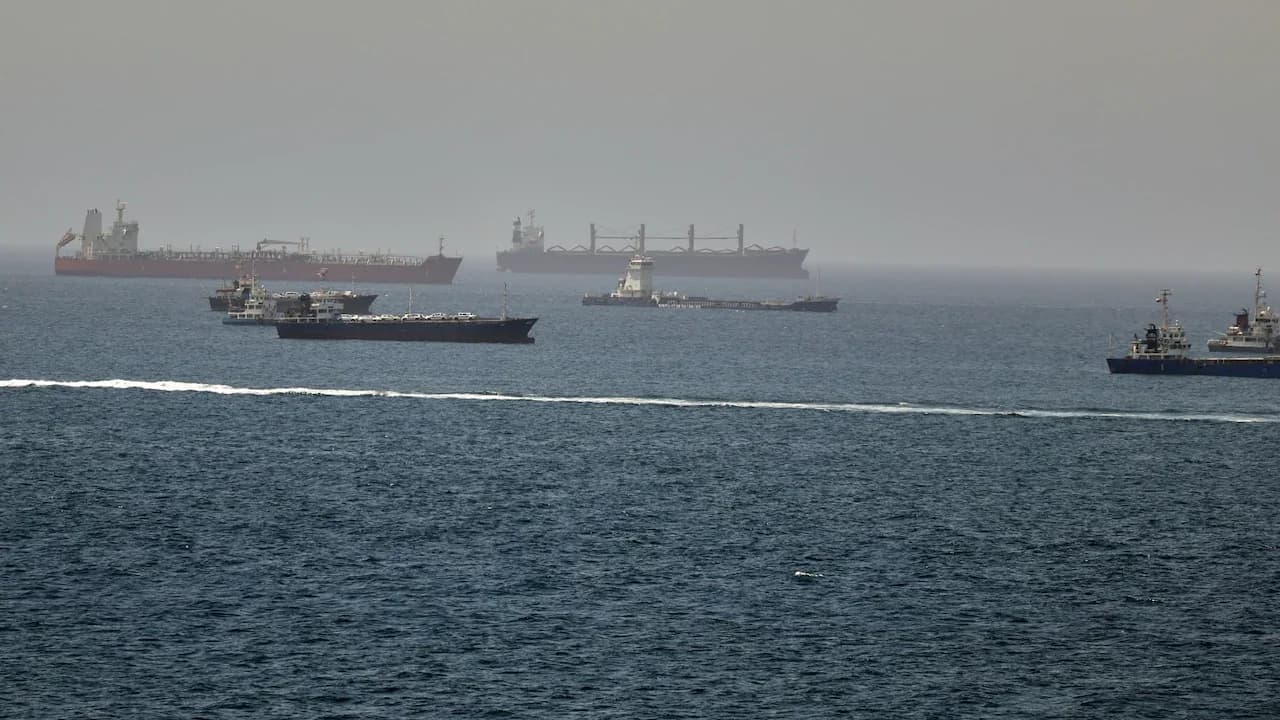
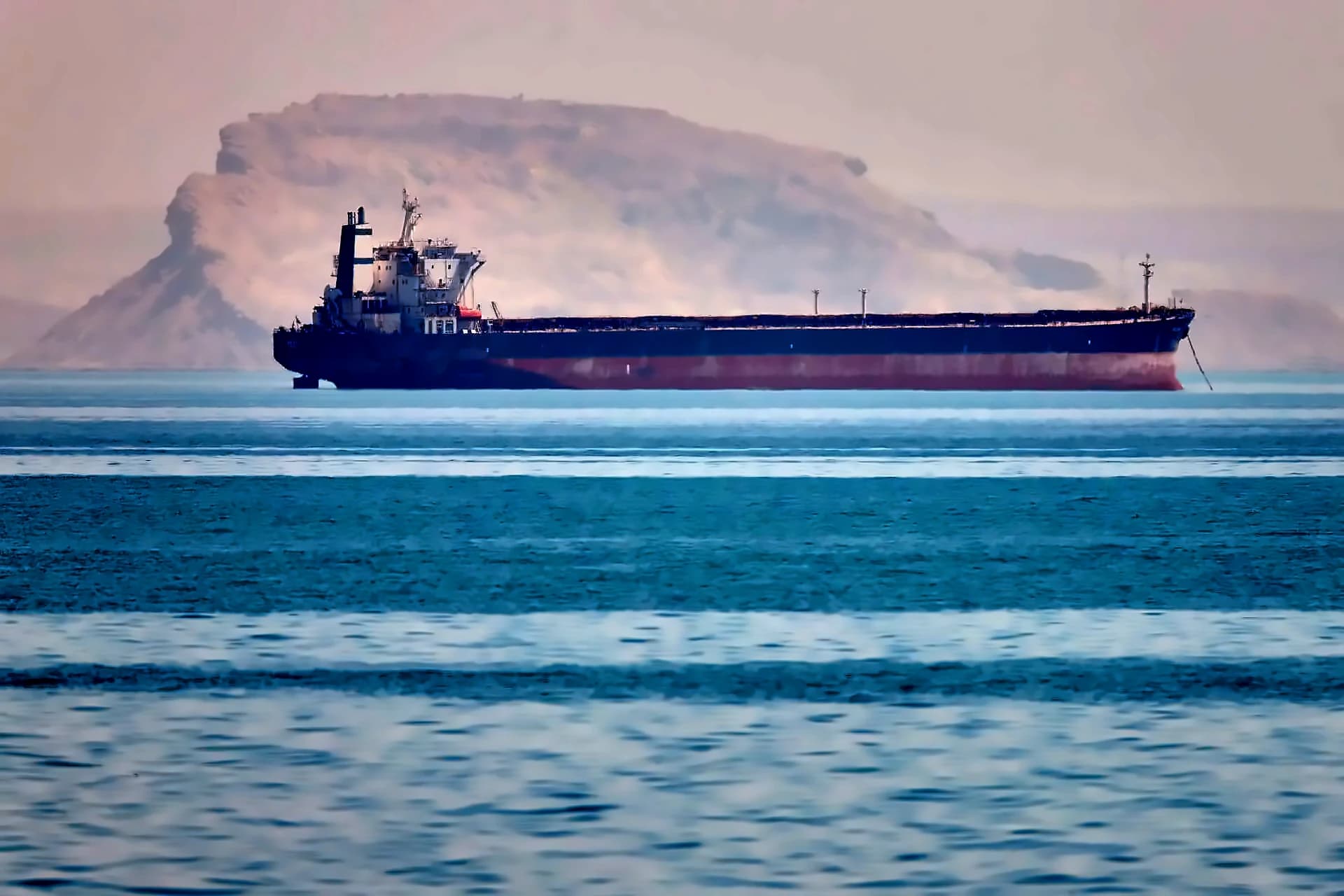
Oil shipments through the Strait of Hormuz picked up significantly on Friday following the US-Iran ceasefire deal, with at least four tankers carrying crude, oil products and liquefied petroleum gas entering the strait on Friday, heading for Iraqi Gulf ports according to MarineTraffic data. The rebound represents a substantial increase from earlier traffic levels, with 25 commercial crossings through Hormuz on June 18 - the highest single-day count since April 18 and more than five times the average daily level of the first 10 days of June. However, traffic remains well below pre-conflict levels of about 120 daily crossings. A Japanese-owned crude tanker exited the strait after being delayed by the war and was bound for Japan, while the Indian-flagged tanker Desh Vaibhav was preparing to sail to India after days of disruption. Ships have resumed broadcasting positions as they transited Hormuz, after weeks of concealing movements by switching off transponders. The latest developments show two very large crude carriers, the Sanmar Herald and Desh Vaibhav, were in the strait heading in the direction of the Arabian Sea on Friday, according to Business Standard reports.
Energy executives across the Gulf are working to restore oil production and shipping after the US-Iran interim peace deal reopened the world's most critical oil transit route. According to Business Standard, the unprecedented nature of the closure left many people working blind and without a timetable. In the United Arab Emirates, one official says the country spent the early days of the conflict working out how to stagger oil-well shutdowns to ensure production would be best-placed to rebound. Both the UAE and Saudi Arabia have managed to keep enough pressure in their fields to potentially return to prewar production rates within two weeks, officials say. Gulf oil producers were already active with tenders, with Kuwait Petroleum Corp offering crude for July delivery via a tender after lifting force majeure and announcing plans to ramp up output, while Abu Dhabi National Oil Company issued its fourth tender this month. Saudi supertankers have passed up millions of dollars in earnings since April waiting on standby to pick up the kingdom's crude at a moment's notice should the Strait reopen.
Iran has signalled tighter control over shipping operations, with state TV reporting that vessels must coordinate transit with the Revolutionary Guards navy. The shipping industry has rejected any fee or toll system being imposed on what they say is an international waterway. In an undated advisory circulated to the maritime industry in the last 24 hours and seen by Reuters, Iran's Persian Gulf Strait Authority said "no vessel is permitted to pass through the Strait of Hormuz without a valid passage permit issued by the PGSA" and reserves the right to introduce insurance fees, requiring shipowners to obtain and renew coverage. British maritime security firm Ambrey said Iranian forces ordered a Hong Kong-flagged tanker and a Saint Kitts and Nevis-flagged bulk carrier to turn back on Thursday. The deal opens the possibility for Iran to charge fees to manage Hormuz transits after 60 days, according to ship broker Braemar. Despite the pact, Iran has declared that ships can't cross the waterway without its permission, with the oil market watching cargo flows through Hormuz closely after Washington and Tehran signed the interim peace deal on Wednesday.
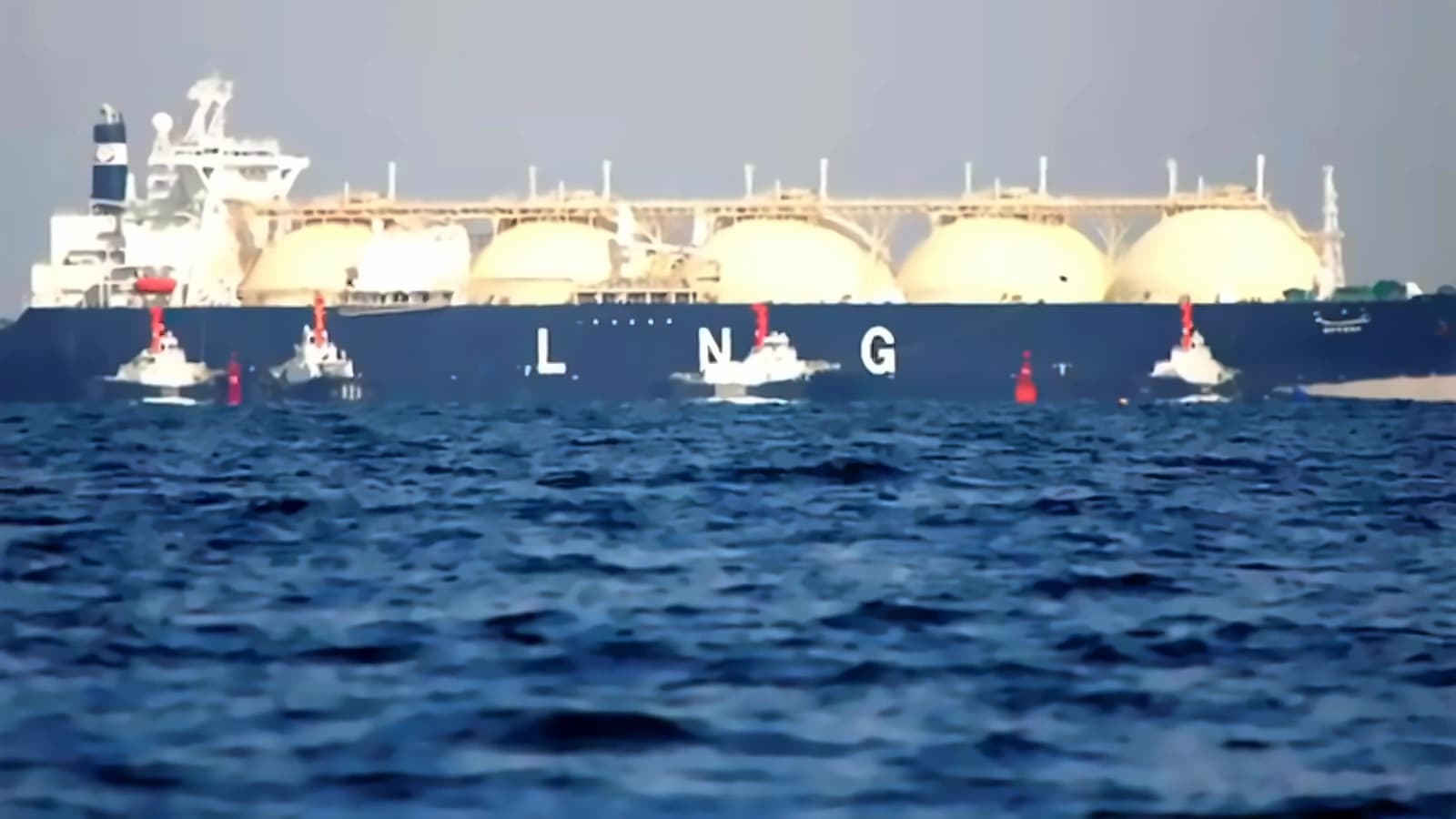
Qatar is beginning to reposition its LNG tanker fleet back toward the Middle East as the country prepares to ramp up exports. According to MarineTraffic.com data, five LNG tankers operated or chartered to state-owned QatarEnergy have changed course from routes in Asia and Africa since the announcement of the tentative U.S.-Iran agreement. The ships were all heading Wednesday for Qatar's Ras Laffan port in the Gulf, according to the tracking data. QatarEnergy said Tuesday that the company could return to full output nationally within a month, boosting production at other facilities, according to Reuters. The Mraikh's shipment will also be a relief for Pakistan, which is grappling with a gas crunch since its supply from Qatar was cut off. The South Asian nation is seeking an LNG cargo in a tender, which it may cancel if the tanker arrives.
Iranian oil exports have resumed following the U.S. naval blockade removal. According to TankerTrackers website, at least two National Iranian Tanker Company VLCC supertankers named DIONA (9569695) and HERO2 (9362073) have exited the U.S. Navy blockade perimeter, carrying a combined total of 3.8 million barrels of Iranian crude oil. A third tanker has also exited the blockade area. The U.S. formally lifted its blockade of Iranian ports on Thursday, with the U.S. navy-led Joint Maritime Information Center advising that "Mariners should be advised of the existence of mines and expect naval presence as clearance operations continue" and advising vessels to avoid the Traffic Separation Scheme because of mine risks. The U.S. will let Iran immediately begin selling oil and fuel under the deal, with the waiver of sanctions on oil sales taking effect immediately after the signing.
The reopening of the Strait of Hormuz marks a significant development for regional energy trade after extended disruptions, with roughly 20% of the world's crude oil and LNG supplies transiting the Strait before the conflict. However, commercial traffic through the Strait remains well below pre-conflict levels, with mixed messages about the status of the U.S.-Iran agreement keeping tanker traffic subdued. Oil prices stood at around $79 on Thursday, with traders expecting them to tumble further as the market works through this supply shock. The early signing demonstrates that both sides were aligned on reopening the Strait of Hormuz, as the global energy clock was starting to tick too loudly. The oil market is watching cargo flows through Hormuz closely after Washington and Tehran signed the interim peace deal on Wednesday, with the latest developments showing ships like the Desh Vibhor making mid-journey course adjustments amid ongoing tensions.