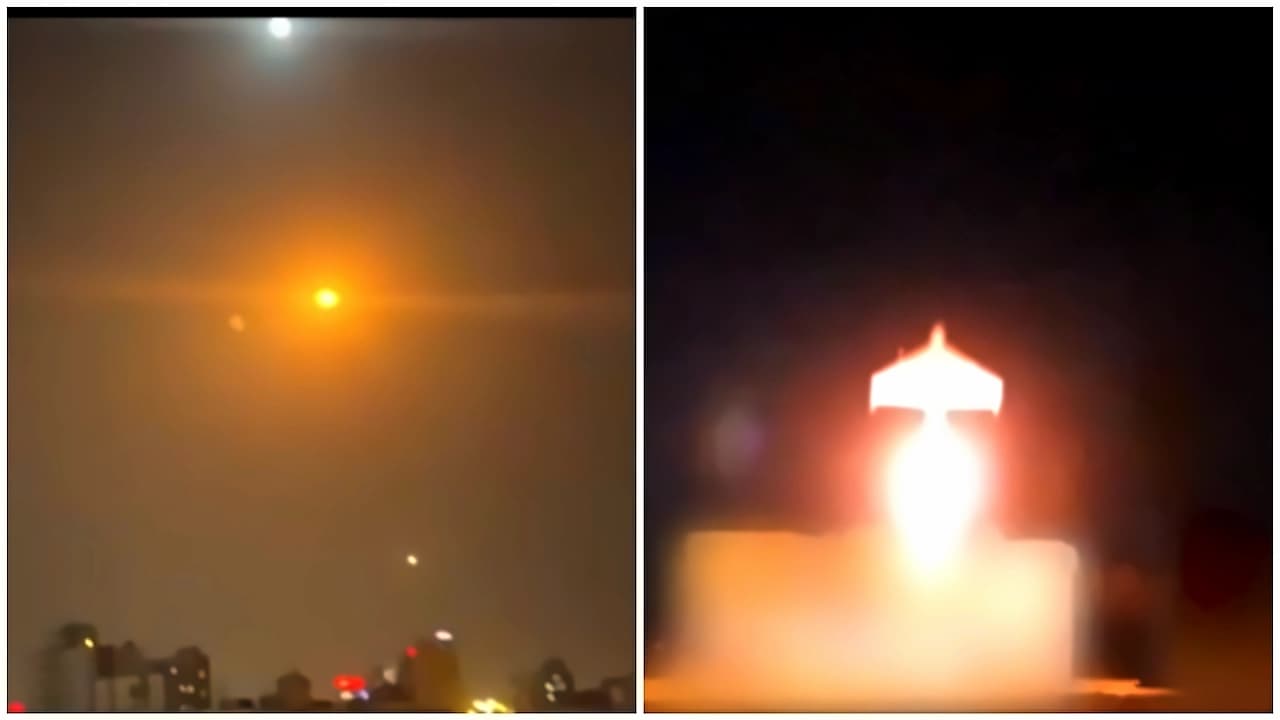
The latest escalation in Iran-US tensions began with U.S. Central Command (CENTCOM) conducting self-defense strikes in southern Iran on Monday, targeting missile launch sites and Iranian boats attempting to emplace mines. According to The New York Times, CENTCOM's chief spokesman Navy Capt. Tim Hawkins stated that 'targets included missile launch sites and Iranian boats attempting to emplace mines' and that U.S. forces 'conducted self-defense strikes in southern Iran... to protect our troops from threats posed by Iranian forces'. The strikes followed reports of explosions in the key southern Iranian city of Bandar Abbas, which has been attacked repeatedly during Operation Epic Fury and again earlier this month after the ceasefire was in place. Meanwhile, the United Kingdom Maritime Trade Operations (UKMTO) reported that the Olympic Life, a Marshal Islands-registered oil tanker, was attacked 60 nautical miles east of Muscat, Oman on Tuesday, struck by an unknown projectile that resulted in an explosion on the vessel's port side along the waterline.
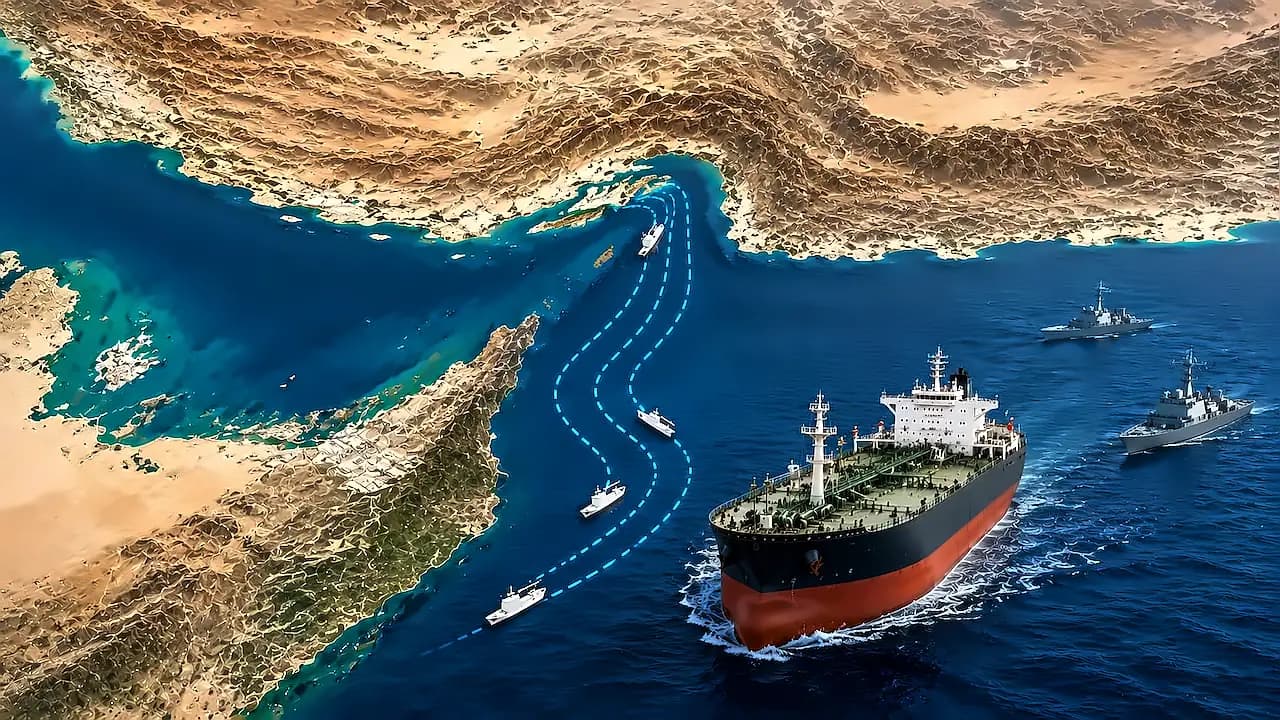
Iran has reiterated its firm control over the Strait of Hormuz, with the Khatam al-Anbiya Central Headquarters stating that 'The management of the Strait of Hormuz is exercised with full authority by the Armed Forces of the Islamic Republic of Iran'. According to Iranian media reports, vessels are now required to travel only through approved routes and obtain clearance from the IRGC Navy, with any violation of these regulations 'seriously jeopardising the security of their traffic'. The Islamic Revolution Guard Corps (IRGC) Navy made this announcement through its official news outlet, Sepah News, signaling Iran's authority over the critical shipping route. As reported by Tasnim, the military body stated that 'during the last 24 hours, 25 vessels, including oil tankers, container ships, and other commercial vessels, passed through the Strait of Hormuz after obtaining authorization and in coordination and with the security of the Revolutionary Guard Navy'. The IRGC Navy's public relations office confirmed on Tuesday that 'smart control' of the Strait of Hormuz was being carried out 'with authority' and warned that any violation would be met with 'crushing blows'.
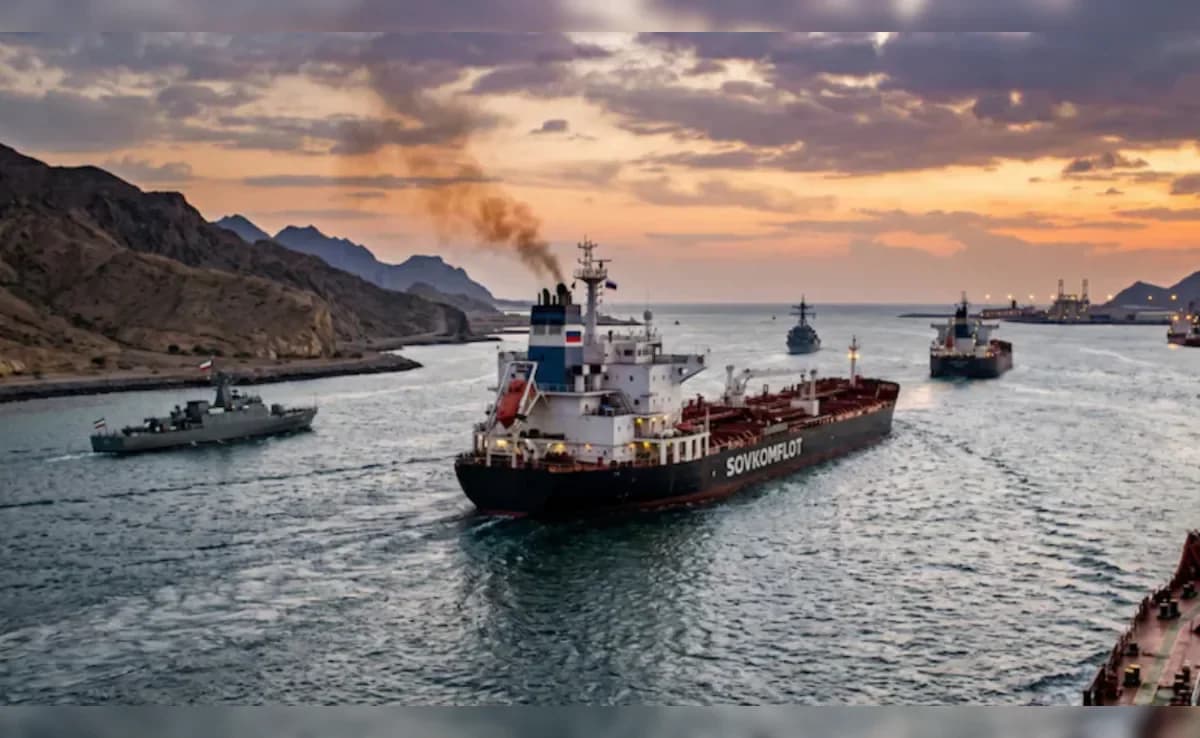
The crisis in the Strait of Hormuz has been complicated by Iran's implementation of a new fee system that the U.S. vehemently rejects. According to The New York Times, U.S. Secretary of State Marco Rubio stated that 'there were some talks going on in Qatar today, so we'll see if we can make progress on – I think it's a lot of talking back and forth going on about specific language in the initial document'. However, Rubio emphasized that 'the matter of Iran charging fees for ships transiting the Strait was unacceptable' and that the status of the Strait is 'non-negotiable'. The Iranian Foreign Ministry responded by labeling the U.S. strikes on Monday 'a gross violation of the ceasefire enacted on April 8' and stating that 'the Islamic Republic of Iran will not leave any act of mischief unanswered and will not hesitate in defending the country's integrity'. As reported by The New York Times, 'a tolling system that simply charges ships to pass through the waterway would be illegal under international law, but charging fees for actual services rendered to vessels, such as waste disposal at a port, is allowed under certain circumstances'.
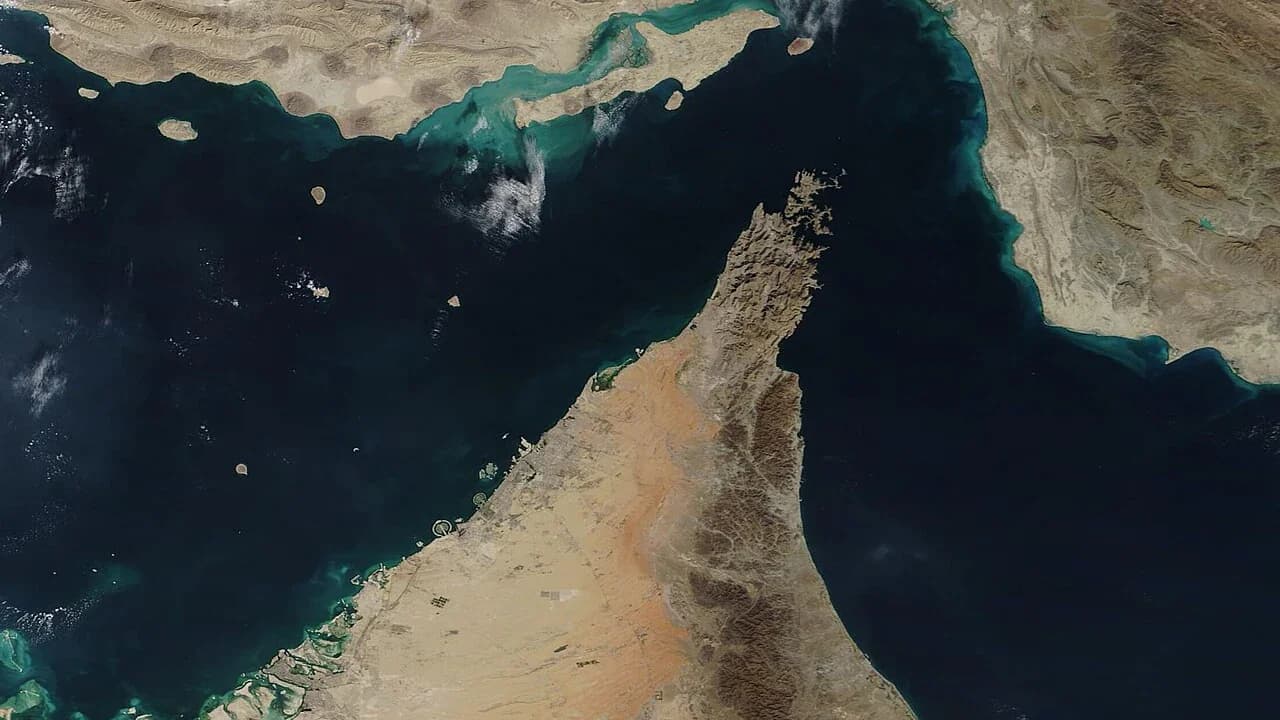
Later on Wednesday, Iran's Persian Gulf Strait Authority (PGSA) published a new map of Hormuz on X, marking a controlled maritime zone that vessels will not be able to transit without its authorisation, according to Al Jazeera. The authority said the zone stretches from Kuh-e Mubarak in Iran to south of Fujairah, in the United Arab Emirates, at the eastern entrance of the strait, and from the tip of Qeshm Island to Umm al-Quwain at the western entrance. The PGSA, created by Iran to supervise maritime traffic in the Strait of Hormuz, disseminated this map last week in which it sets the limits of its 'jurisdiction' in the area, one of the biggest bottlenecks in international trade. The closure of the strategic chokepoint has been having global economic impacts, with the PGSA implementing a new fee system that the U.S. rejects as unacceptable.
The escalation comes amid ongoing peace negotiations that have been complicated by recent hostilities. According to The Wall Street Journal, citing U.S. military officials, 'the U.S. Navy is quietly assisting vessel crossings through the Strait of Hormuz'. U.S. Secretary of State Marco Rubio indicated that 'there were some talks going on in Qatar today, so we'll see if we can make progress on – I think it's a lot of talking back and forth going on about specific language in the initial document' and that negotiations will take 'a few days'. However, he emphasized that 'the matter of Iran charging fees for ships transiting the Strait was unacceptable' and that the status of the Strait is 'non-negotiable'. Meanwhile, Iranian Supreme Leader Ayatollah Mojtaba Khamenei issued a threat against U.S. allies in the region, stating that 'the nations and lands of the region will no longer serve as shields for American bases' and that 'America will no longer have a safe haven for mischief and the establishment of military bases in the region'. Iran has also cautioned international naval forces operating in the region, warning that any interference with shipping administration or vessel movement would prompt a swift response.