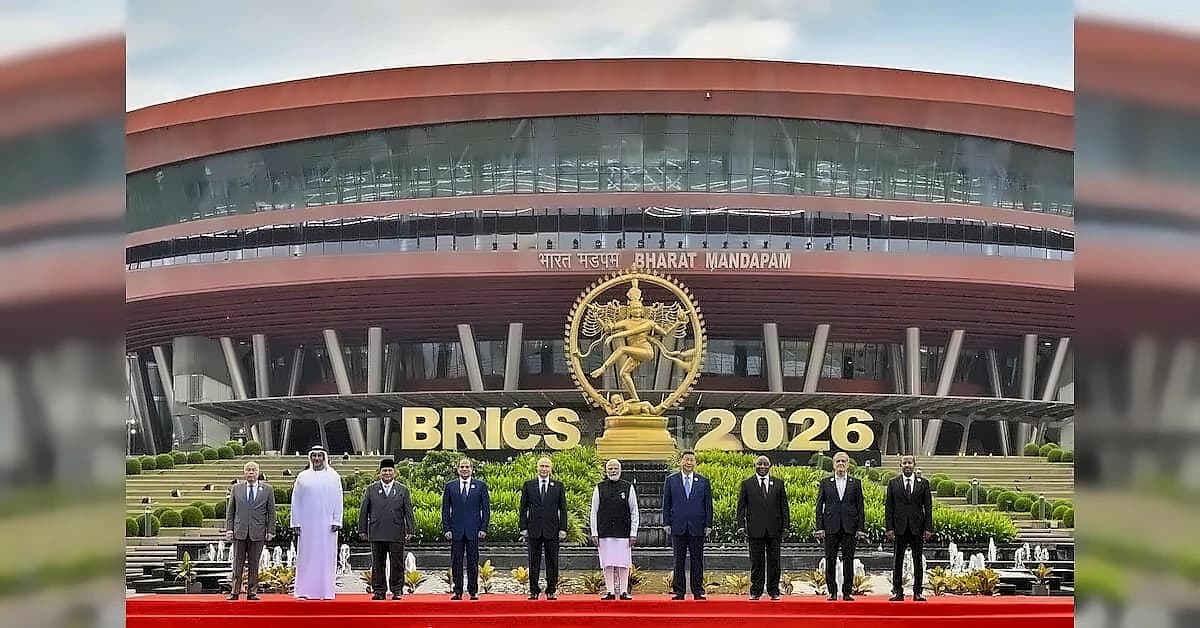
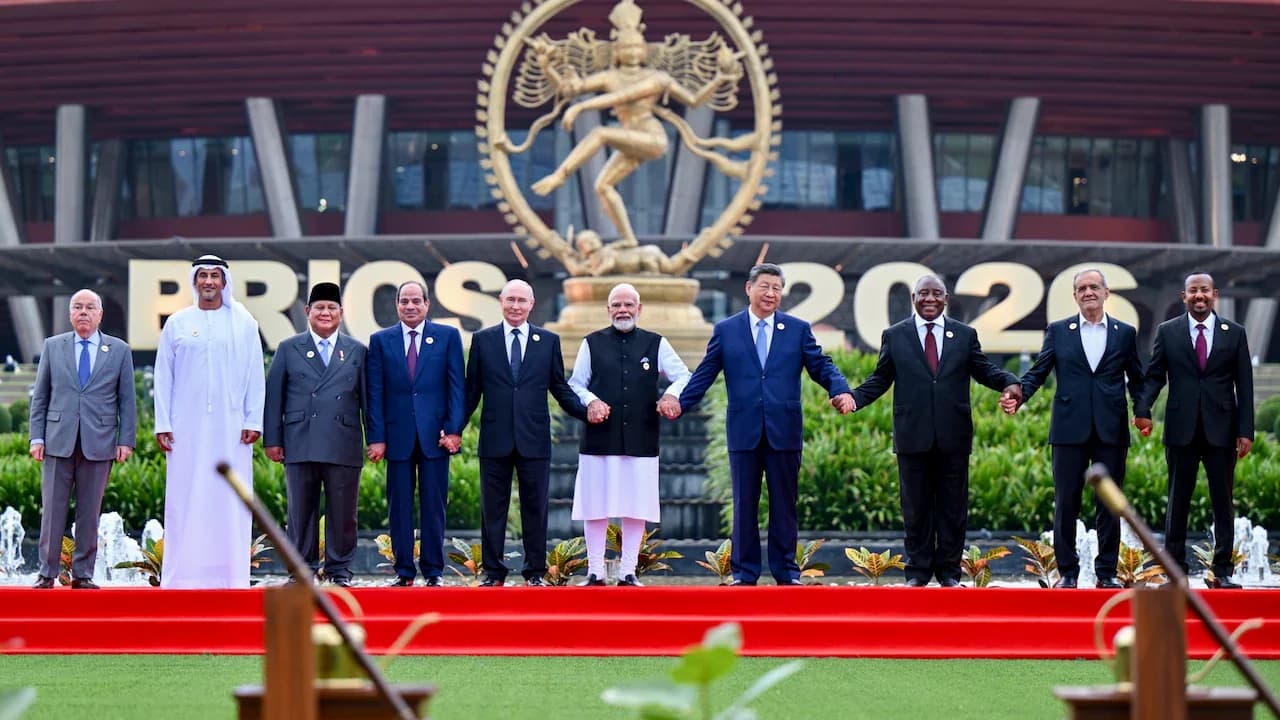
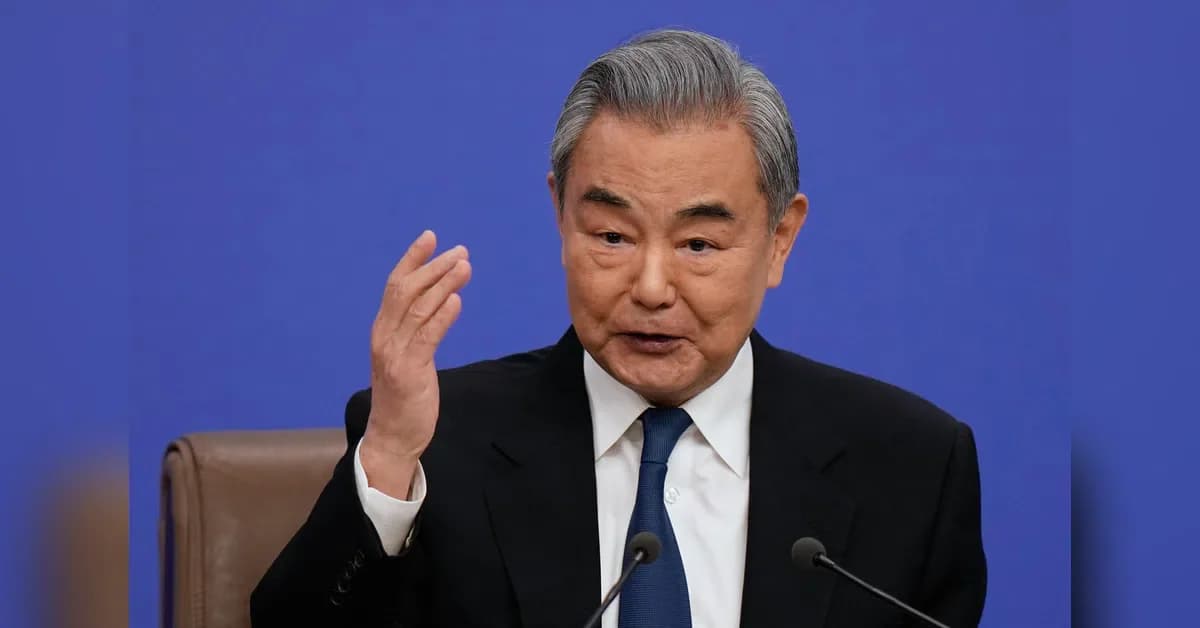
China's top diplomat Wang Yi has called on India, China, and Russia to take a leading role in strengthening solidarity among developing nations, describing the three countries as key pillars of the Global South. According to reports from Xinhua news agency, Wang Yi met Prime Minister Narendra Modi in New Delhi on Tuesday, during which he emphasized that China, India, and Russia, as 'the three largest developing countries and important members of the Global South', should play an exemplary role in promoting 'solidarity and self-reliance among Global South countries'. As per Xinhua, Wang Yi serves as Chinese Foreign Minister and made these remarks during his meeting with Prime Minister Modi, who was attending the BRICS NSAs' conference in New Delhi.
Wang Yi has now expanded his vision to include Russia in strengthening BRICS cooperation, urging China and Russia to bolster cooperation for the 'strengthening and expansion' of the BRICS mechanism. According to PTI, Wang Yi met Russia's Secretary of the Security Council, Sergei Shoigu in New Delhi, emphasizing that 'China is ready to work with Russia to implement the important consensus reached by the two heads of state, strengthen comprehensive strategic coordination, promote the accelerated development and revitalisation of the two countries, and make China-Russia contributions to the peaceful development of mankind'. The Chinese Foreign Minister noted that 'noting BRICS's role as an important platform for the international community to practice multilateralism, uphold fairness and justice, and promote peace and security, Wang urged China and Russia to strengthen coordination and cooperation for the strengthening and expansion of the BRICS mechanism, making it a leading force of the Global South'. As reported by PTI, the meeting took place on the sidelines of the BRICS NSAs' conference hosted by India on June 22-23, with both Wang and Shoigu attending the conclave.
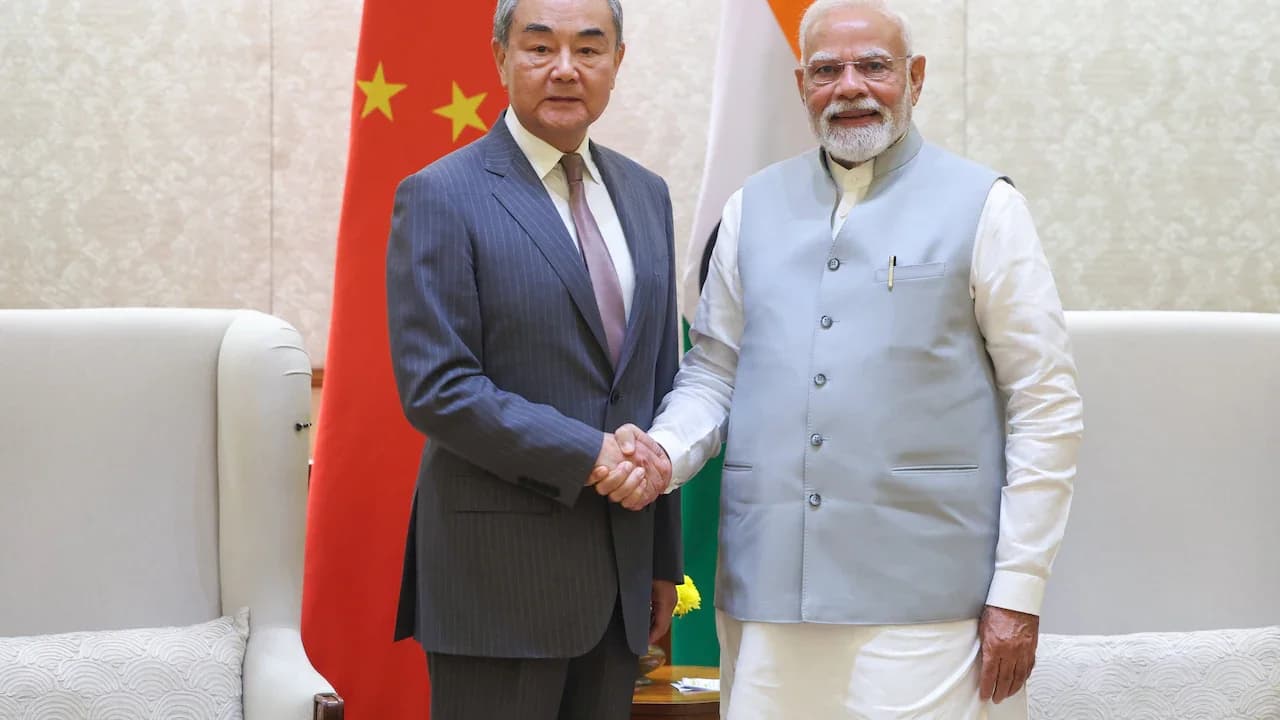
The meeting between Wang Yi and Prime Minister Modi took place in New Delhi, marking a significant diplomatic engagement between the two nations. As reported by Xinhua, Wang Yi emphasized that 'China is ready to work with India to implement the important consensus reached between the leaders of the two countries and properly handle sensitive issues'. He outlined China's commitment to 'continuously enhance trust and dispel doubts, properly handle sensitive issues, deepen mutually beneficial cooperation, maintain the positive momentum of China-India relations, and jointly advance their respective modernization processes'. Wang also highlighted that 'stronger China-India ties fully serve the fundamental interests of the two peoples and conform to the common expectations of the international community'. The expanded cooperation now includes Russia in the strategic partnership framework.
BRICS has undergone significant expansion since its original formation, now representing 11 major emerging economies that bring together around 49.5% of the global population, around 40% of the global GDP and around 26% of the global trade. According to Xinhua, the bloc has expanded to include Egypt, Ethiopia, Iran, and the United Arab Emirates (UAE) in 2024, with Indonesia joining in 2025. As China prepares to take over the rotating BRICS chairmanship in 2027, Chinese Foreign Ministry spokesperson Guo Jiakun emphasized that BRICS countries should 'shoulder BRICS responsibilities to uphold the international order, draw on BRICS consensus to resolve security problems, take BRICS actions to tackle global challenges, and leverage BRICS wisdom to improve governance in emerging sectors'. The expanded BRICS framework now represents a significant force in global governance and economic cooperation, with the latest developments showing enhanced cooperation among its member nations.