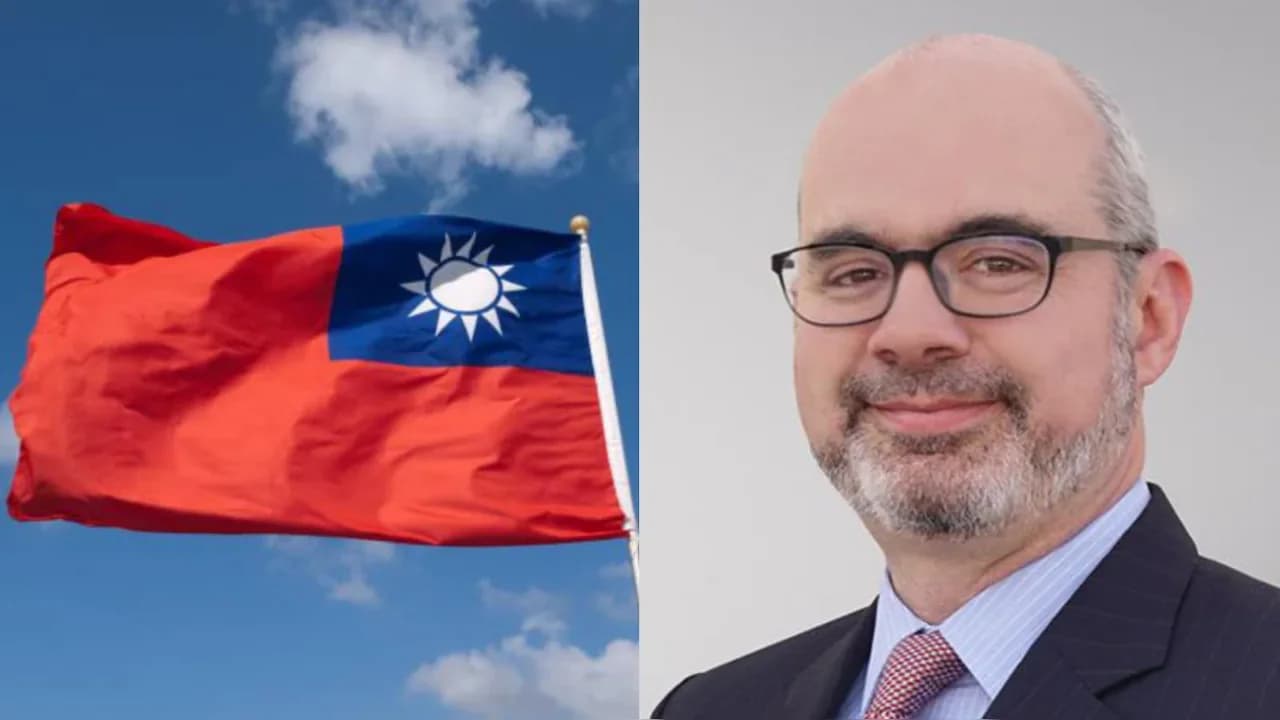
With US President Donald Trump's visit to China in May and the summit with Chinese President Xi Jinping, Taiwan reunification has once again come into focus. According to reports from Business Standard, China insisted that the United States' attitude on reunification is a central issue, while Americans largely ignored the matter. The Chinese government faces three fundamental choices for handling Taiwan: maintaining the status quo, pursuing peaceful unification through grey-zone tactics and economic pressure, or resorting to forceful unification through military action. As reported by Business Standard, doing nothing on the Taiwan issue is implausible given China's patience is running low for three key reasons: the risk of Taiwan's freedom hardening resistance, potential global support for Taiwan's independence, and Chinese public opinion turning against the communist party for perceived defeatism.
China's second option for peaceful unification consists of grey-zone tactics and economic sanctions, as reported by Business Standard. Grey-zone tactics are already advanced through coercive diplomacy, influence operations in Taiwan, and moves to enlist the Kuomintang on China's side. In 2025, Taiwan sent over ₹8,400 crore worth of goods to the mainland, representing 15% of its total exports. A more aggressive policy would involve stopping all trade with Taiwan, which would be devastating given the economic dependence. However, Business Standard analysis suggests that grey-zone tactics and trade sanctions alone are unlikely to lead to Taiwanese capitulation, as the strong sense of Taiwanese identity and potential export diversification make peaceful reunification prospects slim. Recent analysis from RUSI reveals that Beijing has integrated grey-zone coercion and geoeconomic leverage into a single strategy designed to change rivals' behaviour without requiring overt conflict. Each instrument is modest and deniable individually - a coast guard patrol, a withheld export licence, elite capture and a viral rumour - but applied together over a longer timeline, they shift the facts on the ground while making retaliation politically awkward or economically painful for everyone but Beijing.
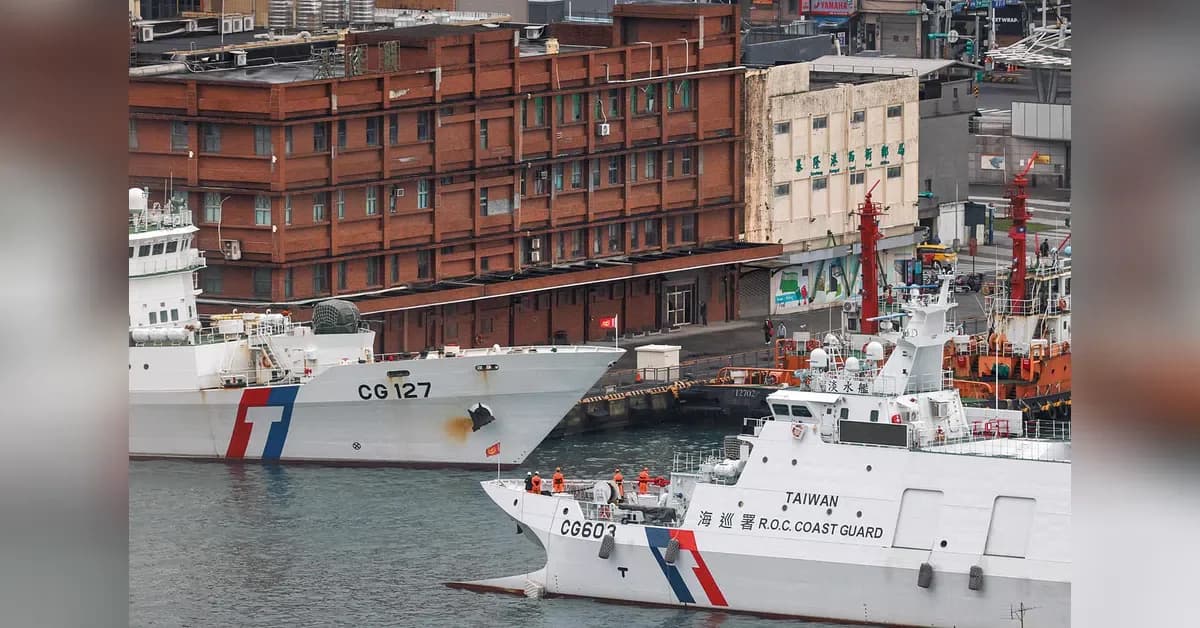
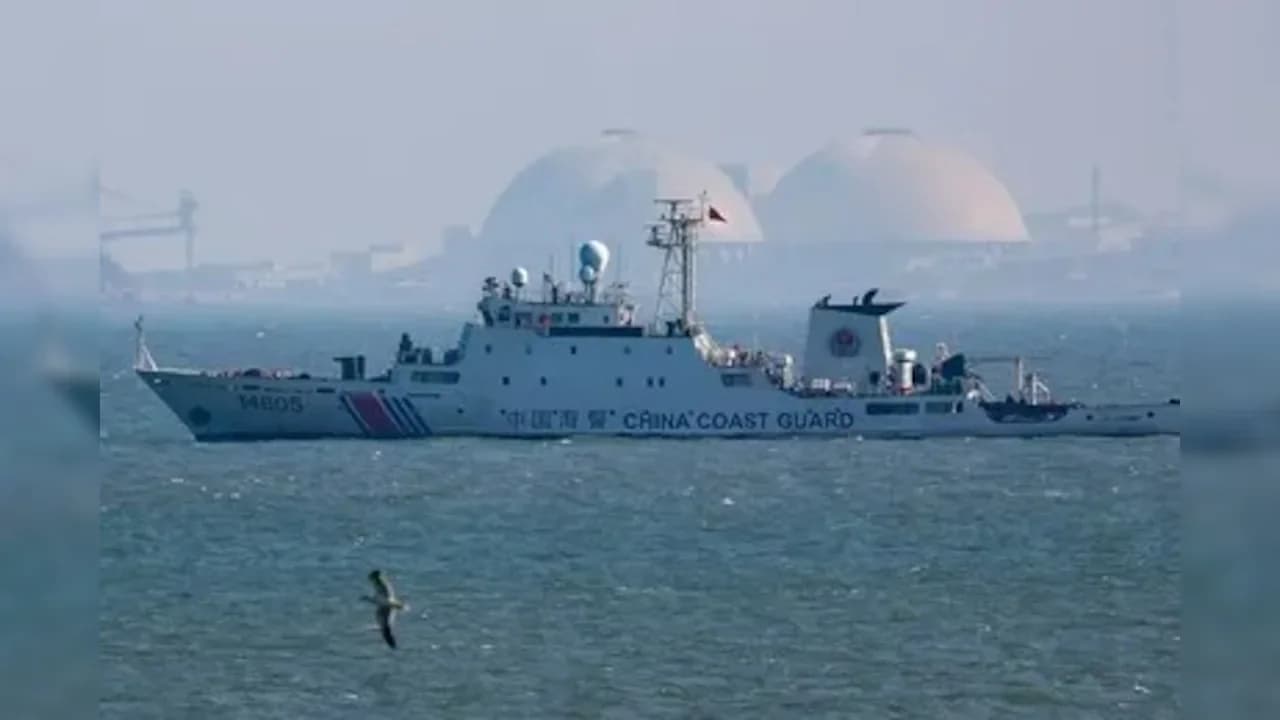
Taiwan faces significant naval asymmetry as China continues expanding its maritime capabilities. According to Taiwan International Ocean Forum analysis, the Chinese People's Liberation Army Navy (PLAN) currently has more than 370 combatant vessels and is expected to reach 435 by 2030. The China Coast Guard operates more than 150 1,000-tonne or heavier patrol vessels, compared with the Coast Guard Administration's fleet of 167 patrol vessels. Research Institute for Democracy, Society and Emerging Technology analyst Cathy Fang emphasizes that Taiwan should not attempt to match Chinese vessels encroaching on restricted waters on a one-to-one basis. Instead, Taiwan should develop an integrated strategy using uncrewed systems, deploying drones for surveillance and evidence collection while reserving crewed vessels for enforcement. The military has plans to obtain 1,320 uncrewed attack boats, with uncrewed aerial vehicles suited for detecting suspicious vessels, surface vehicles for security cordons, and autonomous underwater vehicles for observing undersea cables.
If peaceful reunification proves unsuccessful, China may resort to forceful unification beginning with a blockade, according to Business Standard analysis. Chinese authorities would issue warnings to commercial shipping to cease operations or face seizure and destruction. The analysis suggests that while Taiwan could survive weeks or months of blockade through underground reserves and potential US-Japanese airlift support, such an effort would be logistically, economically, and politically impossible over several months. Business Standard notes that if China invades, an amphibious operation appears more likely than airborne assault, given that only 10% of Taiwan's coastline is suitable for landing operations. The PLA would face significant challenges including limited suitable landing areas, vulnerability to Taiwanese and US air power, and the need to overcome Taiwan's 100,000 active personnel plus 1.5 million reservists.