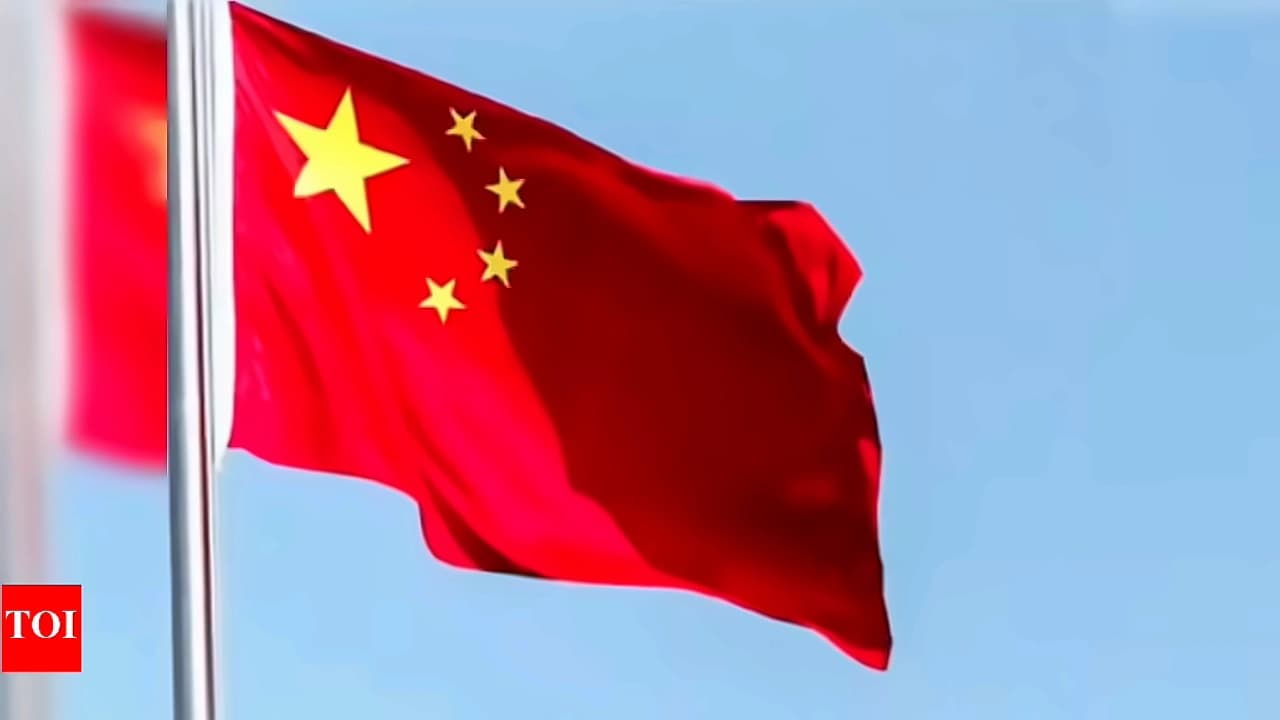
China recorded a record global trade surplus of about USD 1.2 trillion last year despite years of trade restrictions and sanctions imposed by the US, according to reports from The Times of India. The surge has prompted leaders of the Group of Seven (G7) economies to discuss ways to address growing trade imbalances amid fears of a new 'China Shock' hitting European industry. After years of US tariffs aimed at curbing Chinese manufacturing dominance, Beijing has continued to expand exports, redirecting goods from the American market to Europe and other parts of Asia.
G7 leaders have unveiled ambitious plans to reduce their dependence on China for critical minerals, setting a target to reduce reliance on any one supplier outside the group and partner countries for rare earth elements and permanent magnets to below 60 per cent by 2030, with a long-term goal of bringing it down to 50 per cent 'as soon as possible', as reported by The Times of India. The push gained urgency after China's export restrictions on permanent magnets last year disrupted global industries and highlighted the risks of relying on a single dominant supplier. The initiative will later expand to include five additional minerals each year, with a particular focus on rare earth elements, where China currently controls around 90 per cent of global production.
The G7 leaders announced plans to create a new platform with an expanded role for the International Energy Agency (IEA) to coordinate critical mineral supply chains, beginning with pilot projects focused on lithium and nickel, according to The Times of India. The initiative aims to establish 'harmonised, interoperable mechanisms' to avoid undermining competitiveness or imposing excessive cost burdens. The IEA will support the effort by monitoring markets and providing early warnings of market distortions. Countries have announced 195 critical minerals projects since the start of 2026, involving around €64 billion ($74 billion) in investment, with the G7 committing to expand recycling capacity to account for a'significant share' of annual critical mineral consumption by 2030.
French President Emmanuel Macron warned that Chinese exports were 'literally killing a large part of the European industry' and acknowledged that Europe had been slow to recognise the challenge, as reported by The Times of India. The issue featured prominently during discussions at the G7 summit in France this week, with leaders noting 'with concern that global imbalances have been persistent and widened in recent years' - a reference widely interpreted as targeting China's trade practices. European policymakers are increasingly considering tougher trade measures against Chinese imports, with the European Union currently applying relatively low tariffs on most Chinese goods under World Trade Organization rules, although certain sectors such as electric vehicles face duties of up to 35%.
The G7 leaders committed to increasing domestic stockpiles of critical minerals across industrial and public sectors to protect against future supply shocks, with the United States launching its $12 billion critical minerals reserve, Project Vault, earlier this year, while the European Union has shortlisted tungsten, rare earths and gallium for its first joint stockpile, according to The Times of India. The leaders pledged to expand recycling capacity, aiming for G7 recycling systems to account for a'significant share' of annual critical mineral consumption by 2030. The statement also mentioned possible measures such as price-gap subsidies, joint procurement mechanisms, quotas and price floors through multilateral trade agreements, though some G7 allies remain sceptical about proposals from the Trump administration to support mineral production through price regulation.