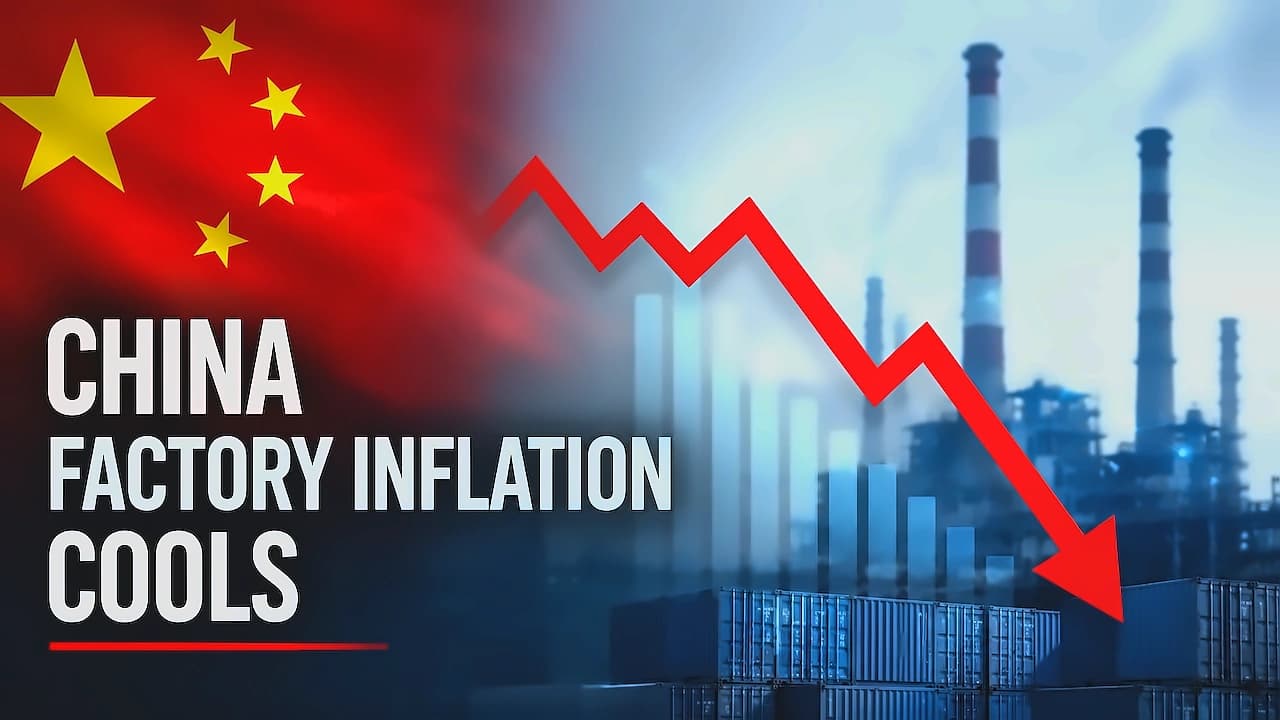
China's manufacturing activity unexpectedly slipped into contraction during July, with the official manufacturing Purchasing Managers' Index falling to 49.2 from 50.3 in June. According to reports from Reuters, this marked the weakest reading in five months and was well below the median forecast of 50.1 in a Reuters poll. The figure dropped below the 50-mark that separates expansion from contraction, highlighting renewed weakness in the world's second-largest economy. The National Bureau of Statistics (NBS) attributed the weak factory performance to a high base and a traditional off-season for some manufacturing industries, as reported by Reuters. Despite the overall contraction, key segments of the manufacturing sector continued to show resilience, with the high-tech manufacturing PMI at 53.3 remaining firmly in expansion territory and the equipment manufacturing PMI at 51.4 also signaling solid expansion. The latest data shows most key subindices fell below the 50 threshold in July, with production at 49.6, new orders at 48.5, new export orders at 49.6, and purchase volumes at 49.4 all slipping from expansion in June back into contraction in July.
The offshore yuan held its gains around 6.74 per dollar on Friday, remaining at its strongest level since February 2023, as investors raised expectations for additional policy support following PMI data releases. According to latest reports, the yuan touched 6.75 against the USD, marking the highest level since February 2023. The currency strength comes after official figures showed China's manufacturing PMI fell to 49.2 in July 2026 from 50.3 in June, marking its first contraction since February. The weak readings followed data showing Q2 GDP growth missed expectations and fell below the government's 4.5%-5% target range, with the non-manufacturing PMI also slipping to 49.0 from 50.2. At the Politburo meeting, authorities vowed timely policy measures and to accelerate public spending and government bond fund usage, though policymakers are expected to adopt a cautious approach to unveiling additional stimulus measures amid double-digit export growth.
The economic weakness extended beyond manufacturing, with the official non-manufacturing PMI falling to 49.0 from 50.2 in June, its weakest level since the pandemic-stricken 2022. According to Business Standard, the sub-index on new orders fell to 48.5 in July - the lowest since 2023 - from 51.2 in June, while the sub-index for production fell to 49.9 from 51.4. Weakness in domestic goods demand, including in building activity, contributed to the lower PMI figures, according to Capital Economics, while several typhoons that hit China in July may have also disrupted manufacturing. China's economy has been under pressure from sluggishness in domestic spending and investment, as a years-long weakness in its massive property sector hits consumer confidence. Fierce competition for jobs has left workers worried over spending, with the services PMI specifically declining to 49.3 from 50.4. The grim readings underscore the headwinds confronting the economy with growth already slowing in the second quarter despite solid external demand.
The weaker-than-expected PMI readings pointed to weakening demand, with the sub-index for new orders dropping sharply to 48.5 from 51.2 in June, marking the lowest level in 38 months according to official data accessed via Wind. New export orders also slipped into contraction at 49.6, indicating softer overseas demand. According to China Beige Book, U.S.-bound shipments fell outright for the first time in several months, marking a sharp reversal from June when shipments to the U.S. rose 14%, helping overall exports surge 27% — the fastest pace in nearly five years. This represents a significant unwinding of the export rush that powered a second-quarter rebound, as manufacturers had braced for additional levies from President Trump's Section 301 probes after the 10% broad-based duty expired on July 24. The subindex for production fell to 49.9 in July, down from 51.4 in June, while retail sales also fell in July from both the prior month and a year earlier, with travel and restaurants seeing a sharp on-year downturn.
China's economy expanded 4.3% year-on-year in the second quarter, slowing from 5.0% in the first quarter and falling below the government's annual growth target range of 4.5%-5.0%. As reported by Reuters, the PMI data showed that downward pressure on the economy had increased, with the constraint from weak domestic demand on the release of production and supply capacity becoming a prominent problem. The disappointing data will likely sharpen expectations for easing, though the Politburo readout stopped short of concrete policy steps. Chinese leaders see growth at risk of falling below target in the second half, as new-economy sectors such as AI fail to offset the slowdown in traditional industries, according to Eurasia Group analysts. The Politburo pledged in a meeting to "attach great importance" to the difficulties and challenges in the economy, and said the government would leverage existing policies and roll out new policies in a timely manner. Economists expect China to continue to rely on exports to support its economic growth for the rest of the year, with Chinese leaders also pledging to boost domestic consumption.