Markets reacted as expected after President Donald Trump put 'Project Freedom' on hold, with Brent crude dropping more than 3% toward $107 per barrel after briefly surging above $126 during the latest US-Iran escalation. According to reports from Investing.com India, the Stoxx Europe 600 and Germany's DAX both rose around 1% as lower energy prices eased inflation concerns. Most investors treated the market move as another short-term geopolitical relief rally, but analysts suggest they are missing a much bigger underlying story.
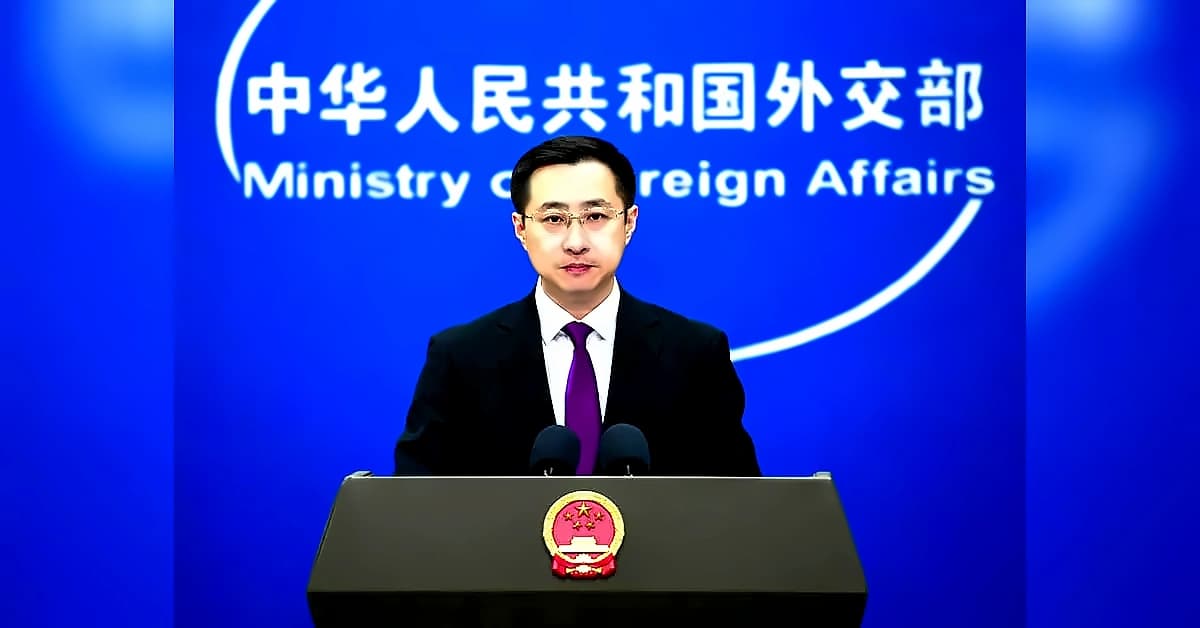
Iranian foreign minister Abbas Araghchi arrived in Beijing this week for talks with Chinese foreign minister Wang Yi, as Trump prepares for his meeting with Xi Jinping. As reported by Investing.com India, this highlights how central China is becoming to any diplomatic outcome involving the Strait of Hormuz. The Strait handles roughly 20% of global seaborne oil trade and a significant share of LNG exports, with around 84% of crude shipments moving through the route destined for Asia. China remains the world's largest crude importer and one of the largest buyers of Iranian oil despite years of sanctions pressure from Washington.
China now occupies a uniquely powerful position where Iran needs China economically, Gulf producers need Chinese demand, and the global economy needs stable energy flows through Hormuz. According to the analysis, Washington increasingly appears to need China engaged if it wants diplomatic stability around one of the world's most strategically important shipping corridors. Beijing is expanding its influence without deploying a naval coalition or becoming directly involved militarily, positioning itself as an indispensable diplomatic force tied directly to global energy flows.
While markets remain supported by strong corporate earnings, especially across AI and large-cap tech, underlying investor behavior is changing. As reported by Investing.com India, capital is moving more carefully with freight exposure, energy sensitivity, supply-chain resilience, pricing power and balance-sheet strength becoming increasingly important considerations. The market is beginning to recognize that geopolitical influence increasingly translates directly into economic leverage, with sectors tied to energy security, commodities, strategic infrastructure, defence and cybersecurity likely to attract increasing investor attention if Hormuz instability continues.

The current market confidence that disruption remains manageable after Trump paused the naval escort operation could change quickly if energy volatility starts feeding more aggressively into inflation expectations, freight costs and corporate earnings guidance over coming quarters. According to the analysis, the bigger investment issue is not only whether tensions cool temporarily, but how much geopolitical and economic leverage China is building by becoming increasingly difficult to bypass during global energy crises. Investors are still underestimating the scale of this structural shift in global energy security dynamics.