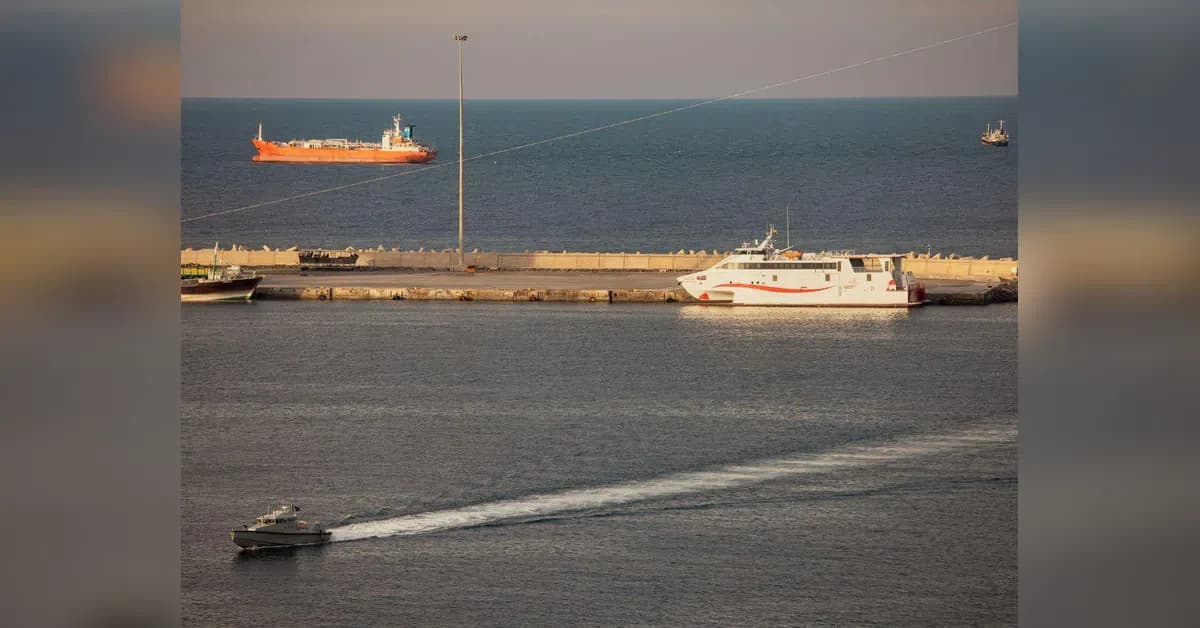
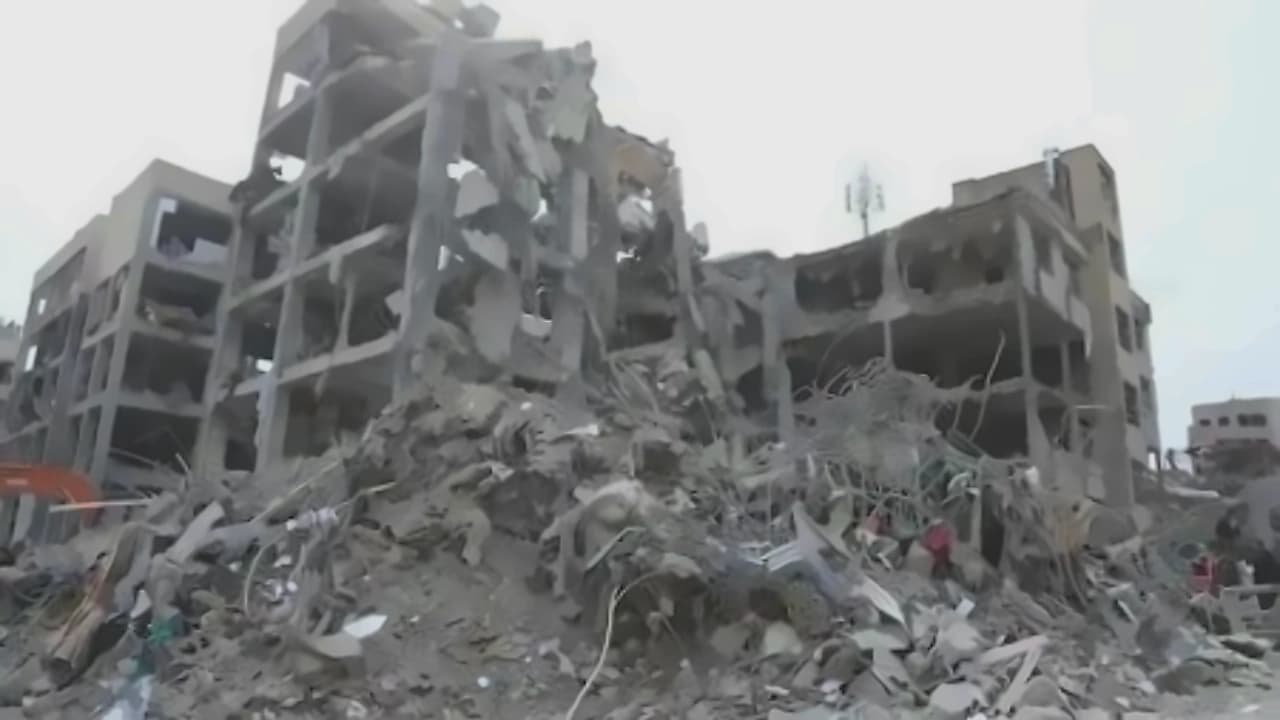
The war in Iran and effective closure of the Strait of Hormuz have created a clear winner among Asian economies, with China emerging as the primary beneficiary according to an analysis by the Asia Group consulting firm. As reported by the Business Standard, while the energy shocks and supply chain challenges have posed challenges for China, the country has largely managed to avoid the inflation spikes and cascading economic effects that have afflicted other nations. This resilience is reinforcing China's position as a competitive manufacturing destination, with the country demonstrating its ability to use prices, export controls, subsidies and managed currency to absorb economic shocks effectively. The second-order effects of the crisis run in Beijing's favor and reinforce its narrative that China is the stable global partner of choice.
China's strategic positioning has been strengthened by its substantial energy reserves and clean energy capabilities. According to the Asia Group analysis, China's oil and gas reserves and clean energy supplies have allowed it to avoid the worst effects of the energy crisis. The country has managed to reduce oil imports by more than 30 percent annually in May, leaving a large supply of global oil available for other countries to purchase. When the Strait closed, there was still a degree of slack in several key commodity markets, including oil and helium, which helped blunt some of the most severe effects. China also played an outsized role in balancing the global energy system during the crisis: by cutting refinery runs, drawing selectively on inventories, redirecting supply, suppressing some demand, and importing less, Beijing absorbed part of the lost Hormuz volume and moderated pressure on global markets.
The crisis has created significant economic challenges across Asia, particularly for manufacturing-dependent economies. Asia sources 80 percent of its oil and 90 percent of its natural gas through the Strait of Hormuz, making the region particularly vulnerable to disruptions. The war has impeded production of critical materials including naphtha for plastics and chemicals, helium for semiconductors and MRI machines, and sulfur for copper and electric vehicle battery refining. In India, rising fertilizer, fuel and food prices have stoked political opposition, while in Japan, higher energy costs could increase fiscal pressures on the government. Emerging markets were hit first and hardest, with many countries still working their way through domestic economic and political systems. Advanced economies such as Japan and South Korea entered the crisis with substantial reserves but would confront difficult fiscal and political trade-offs if disruptions persist.
The crisis has accelerated global demand for clean energy technologies that China dominates, creating significant export opportunities. According to the Asia Group analysis, disruptions have helped Beijing promote itself as the stable partner of choice and accelerated global demand for solar panels, batteries and electric vehicles. Many Southeast Asian countries are now looking to China for solar panels, battery energy storage systems and electric vehicles, with China's exports of these products soaring amid the energy crisis. The crisis could also erode Southeast Asia's manufacturing competitiveness, potentially slowing the trend of companies moving production out of China to other markets. Accelerating EV and renewables demand could boost the region's clean energy manufacturers, with countries that can move rapidly to deploy cheap renewable energy gaining a structural cost advantage.
The closure of the Strait of Hormuz has created significant challenges for global supply chains, particularly affecting sectors like semiconductors and data centers. The well-cited risk of outright input shortages — especially of helium for semiconductors — is overstated in the near term, as chipmakers have been able to absorb premiums. However, their price-setting impact creates scarcity and cost pressures elsewhere that are harder to see and slower to resolve. The AI sector may be dodging headline risks, but its buying power in a constrained market will create scarcity across healthcare, construction, and smaller manufacturers. The crisis has made the world more reliant on U.S. energy exports in the short term, but could undermine key elements of Washington's strategy in the longer run. Many countries will pursue an "all of the above" strategy, prioritizing resilience over efficiency, with energy security becoming one of the defining investment themes of the post-crisis period.