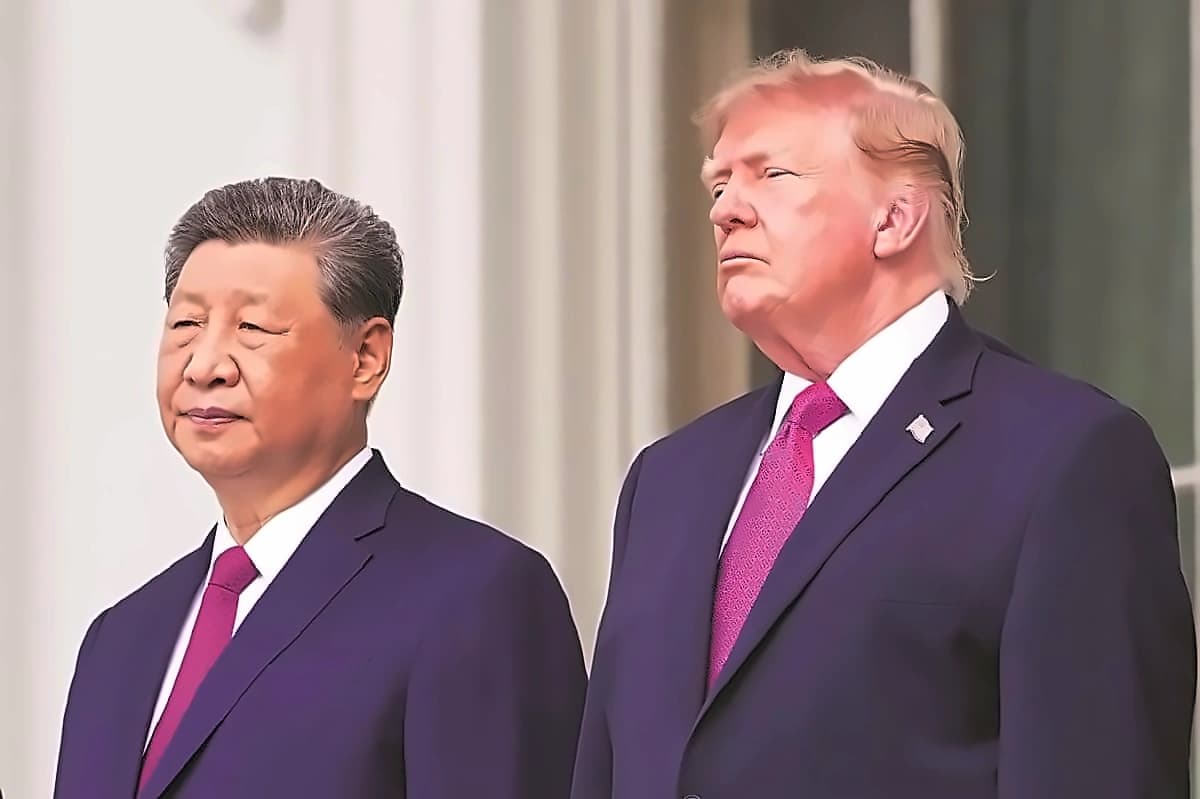
**China and the US have reached a landmark agreement during President Xi Jinping's visit to the US, with the two sides agreeing to a $30 billion reciprocal tariff-reduction arrangement and launching dialogue on artificial intelligence, according to China's Ministry of Foreign Affairs. The agreement was part of an eight-point consensus reached during the three-day summit, with the two sides recognizing the work of their economic teams and endorsing steps including the establishment of a trade council. The United States and China had earlier agreed to extend by two months a trade truce that was due to expire on November 10, allowing more time to work on a potentially bigger trade deal, as confirmed by US Treasury Secretary Scott Bessent. On artificial intelligence, the two sides agreed to establish a dialogue to discuss the technology's risks and benefits, with the next round of discussion set for November, and to set up a communication channel for AI-related incidents.
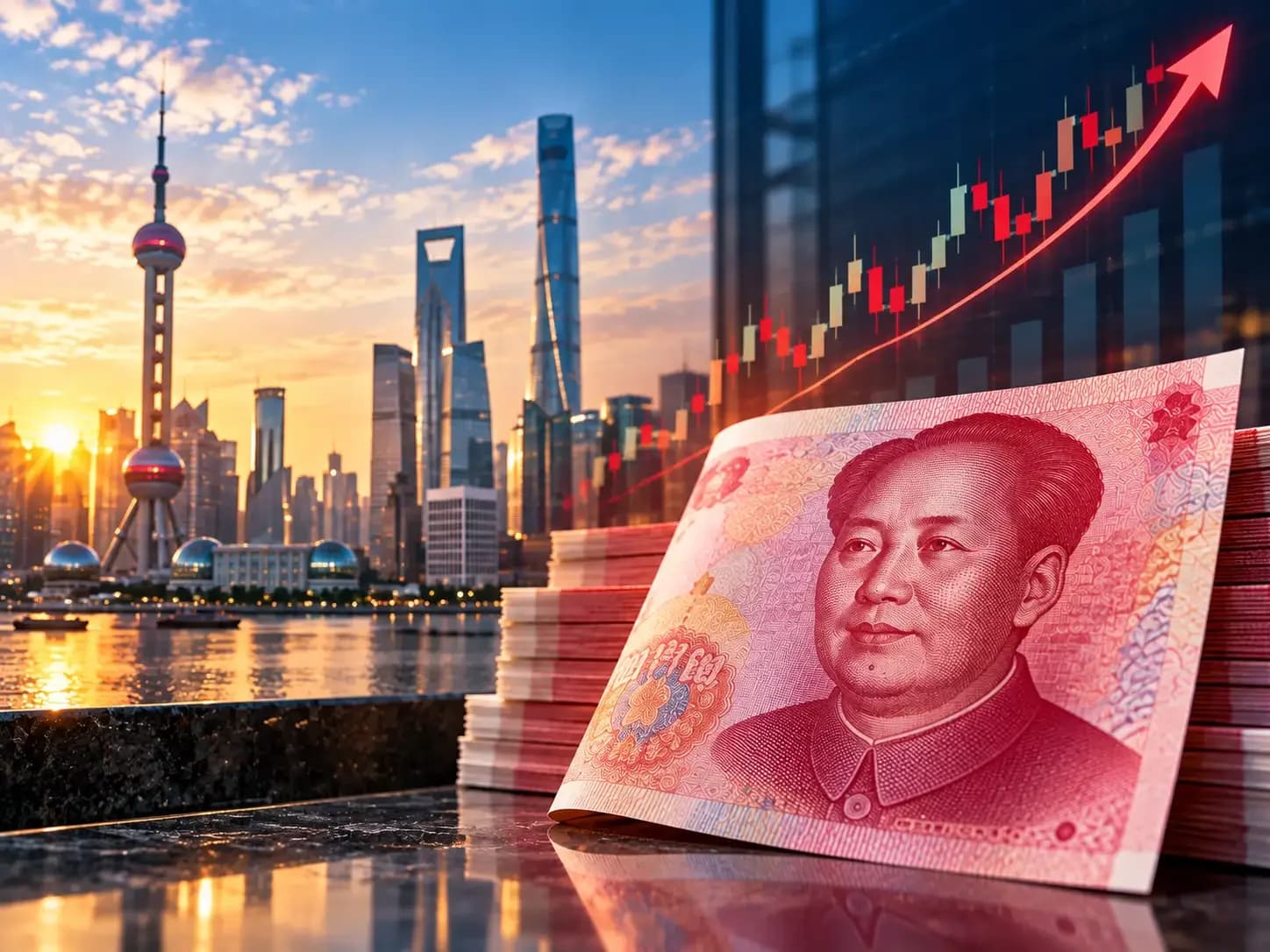
The offshore Chinese yuan hit 6.6930 mark this week, testing the strongest level since August 2022, but has since retreated to 6.7130 levels. The currency's recent strength was initially driven by optimism over the Trump-Xi trade truce extension, but firm US dollar index overseas and tepid Chinese economic cues are now capping its movement. The yuan's retreat from four-year highs reflects growing concerns about China's economic fundamentals, despite the diplomatic progress. This moderation in yuan strength suggests that while diplomatic relations may be improving, underlying economic conditions continue to weigh on currency performance.
The Trump-Xi summit delivered on substantive agreements beyond the initial expectations, with the three-day gathering showcasing personal diplomacy rather than big public breakthroughs. **Through Thursday evening in Washington, the most significant news tied to the gathering was the trade truce extension, but the summit's conclusion revealed the $30 billion reciprocal tariff-reduction arrangement and AI dialogue launch that had not been anticipated by market participants. The day was capped off by a state dinner featuring a three-course menu, attended by American tech and financial titans, with Trump gifted Xi a statue of a bald eagle and declaring they have "never gotten along better". Xi offered a gauzy history of US-China ties in his dinner toast that papered over historic tensions, while Trump repeatedly cast Xi as a friend rather than the US's foremost geopolitical rival.
The Conference Board Leading Economic Index (LEI) for China dropped by 0.2% in August 2026 to 148.2 (2016=100), after also declining by 0.2% in July. As a result, the LEI contracted by 1.7% over the six-month period from February to August 2026, a larger rate of decline compared to the 1.0% decrease over the previous six-month period between August 2025 and February 2026. The China LEI has now declined the fifth time in the last six months, indicating persistent economic challenges. However, the Conference Board Coincident Economic Index (CEI) for China edged up by 0.6% in August 2026 to 158.8 (2016=100), partially reversing a 0.8% decline in July, suggesting some economic resilience despite the LEI weakness.
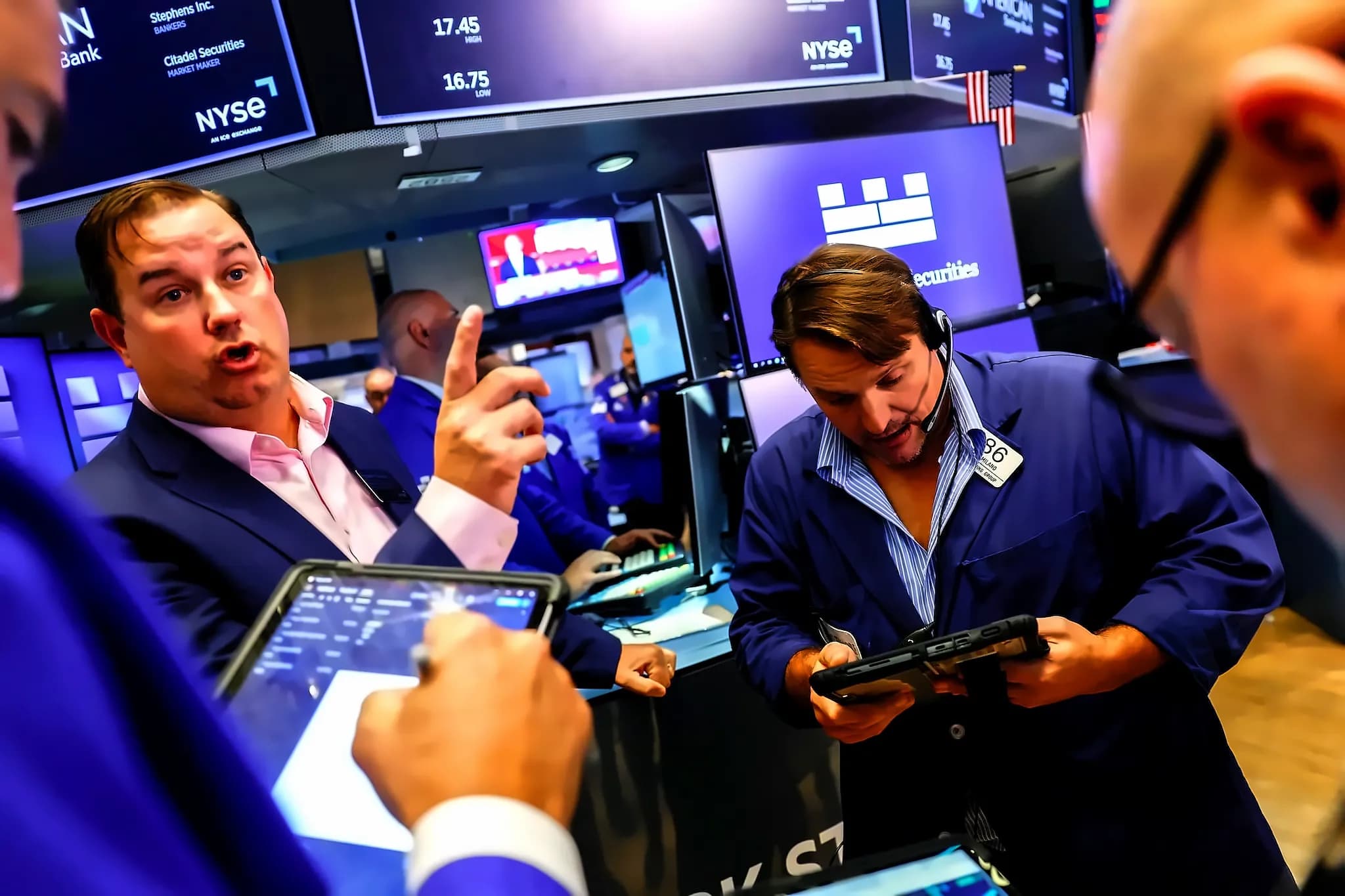
The leaders also agreed to support each other in hosting the Asia-Pacific Economic Cooperation leaders' meeting and the Group of Twenty summit, with both leaders signalling their intention to attend the gatherings hosted by the other. On foreign policy, the leaders agreed that Iran should fulfil its commitment not to develop nuclear weapons, and that no country or entity should impose transit tolls on international waterways. They also recalled that China and the United States fought as allies in World War Two. For investors, the focus now shifts to whether the Trump-Xi talks can produce concrete agreements beyond the extension of the trade truce, particularly on tariffs, technology restrictions and broader economic cooperation. Some investors took a more constructive view of the longer-term relationship, with Charles Wang, chairman of Shenzhen Dragon Pacific Capital Management, saying US-China relations could gradually move away from confrontation towards greater understanding, compromise and coexistence.