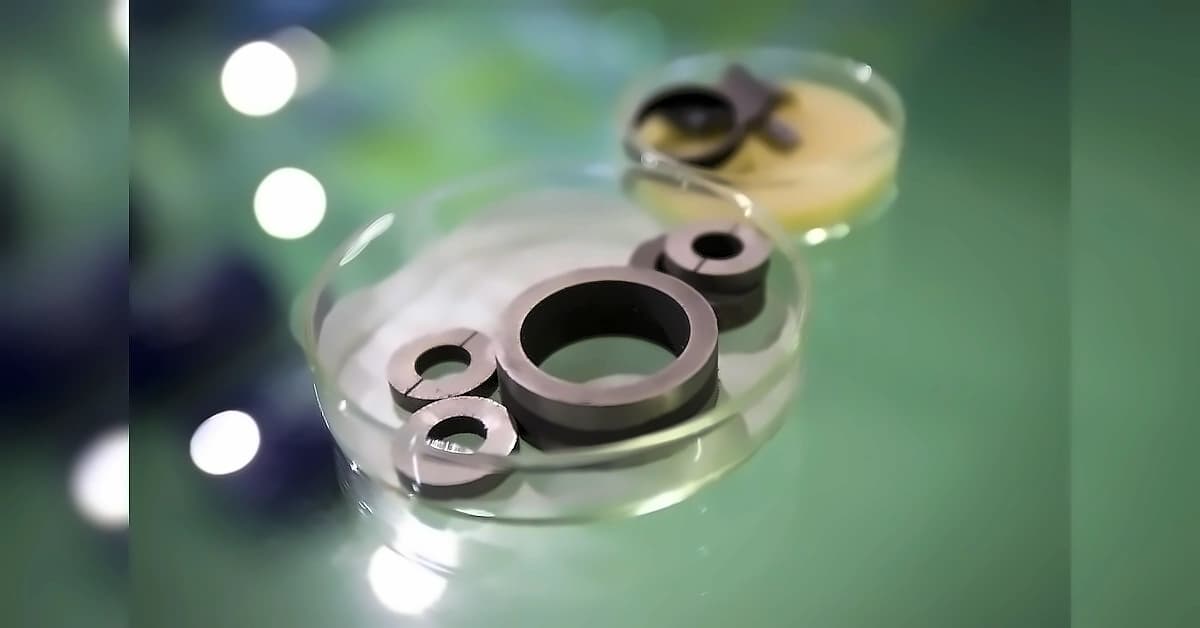
China maintains overwhelming control over the critical rare-earth supply chain essential for humanoid robot production. According to reports from Cross Currents Substack, China controlled around 69% of global rare-earth oxide production in 2024, with approximately 90% of global separation capacity, roughly 90% of rare-earth metal and alloy output, and approximately 92% of global NdFeB magnet production. However, Core Consultants' new Global Rare Earths Outlook 2026–2030 reveals even tighter control, estimating that China controls about 91% of light rare earth separation, approximately 99% of commercially significant heavy rare earth separation, 90–92% of metal and alloy production and 92–94% of sintered NdFeB magnet manufacturing. The US Department of Defense will face tighter restrictions on buying NdFeB and samarium-cobalt magnets from China, Russia, Iran and North Korea from January 1, 2027.
The rare earth market has evolved into a strategically controlled system rather than a conventional commodity market. As reported by Core Consultants, some Chinese rare earth suppliers have stopped shipments to the United States not because mines have ceased producing or buyers have refused to pay, but because exporters fear becoming entangled in the widening geopolitical contest between Washington and Beijing. The report describes this as a 'control shock' affecting materials, processing equipment, technical knowledge and access to finished magnets. Current pricing shows significant disparities, with August 2026 indications of approximately US$210 per kilogram for dysprosium in China, compared with offshore quotations ranging from US$575 to more than US$2,500. Terbium is indicated at approximately US$990 per kilogram inside China and between US$2,050 and more than US$4,500 in offshore channels. These spreads incorporate licensing risk, traceability, product specifications, limited inventories and the scarcity value of material that can actually be delivered outside China.
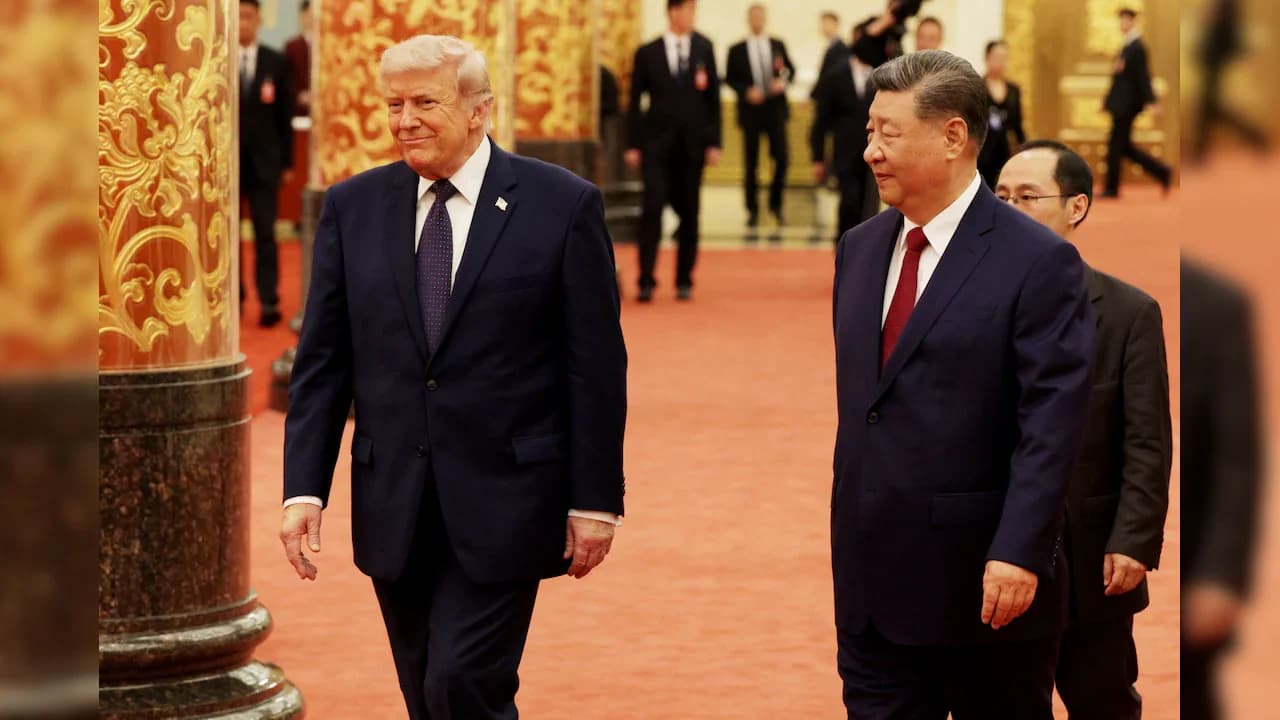
The US has implemented significant trade restrictions on Chinese robotics, with Donald Trump banning imports of Chinese humanoids and four-legged robot dogs citing cybersecurity and national-security concerns. According to The Economist, Unitree Robotics became the first major humanoid robot maker to list on Shanghai's STAR Market in August, with shares priced at 150.80 yuan and opening with a 629% jump. However, the late-2025 agreement between President Donald Trump and Xi Jinping suspended the October expansion for one year, but did not remove the April licensing requirements. The October measures are scheduled to return around November 10, 2026, unless the two governments reach another understanding. These restrictions create complex market dynamics, as they may make non-Chinese magnets scarcer and more expensive for all industries competing for the same supply chain.
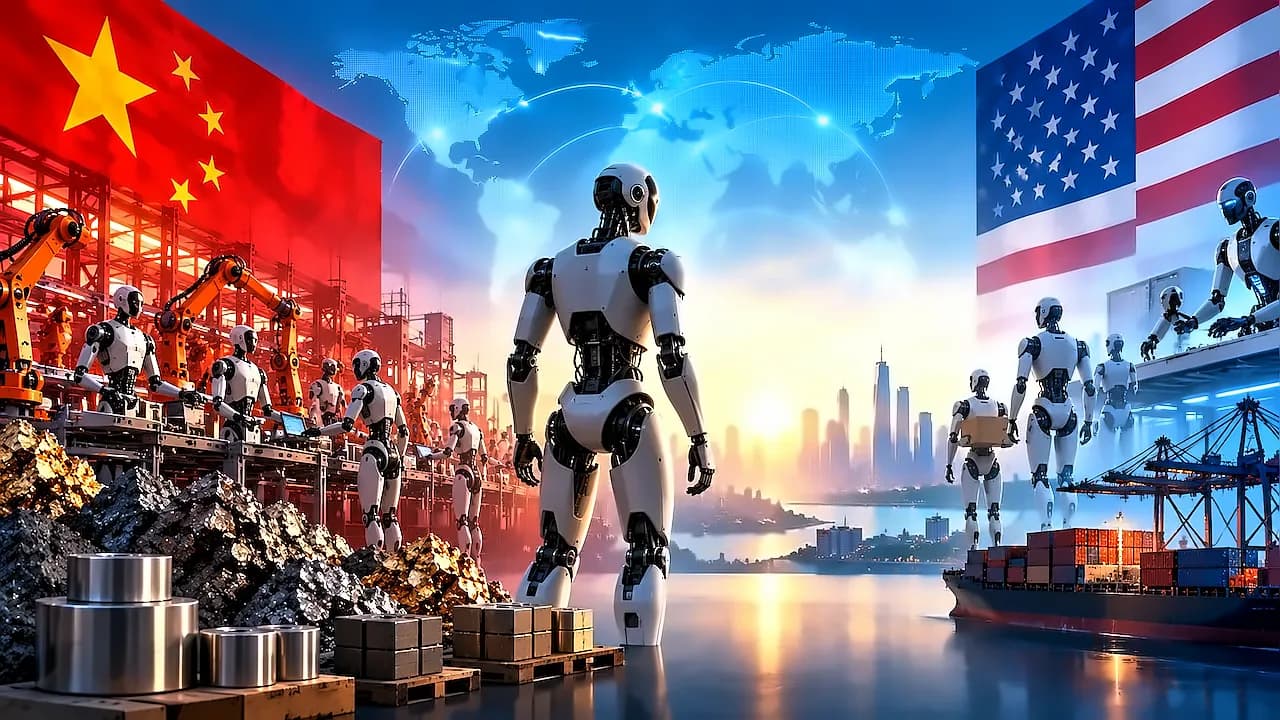
The competition between the US and China in humanoid robotics extends beyond manufacturing capabilities to supply chain control. As reported by The Economist, the real competition isn't about who makes the best robot, but who controls the supply chain and reaches the finish line first. While the US may have advantages in technology and capital, China's dominance of the rare-earth supply chain creates an irreplaceable advantage that could determine the ultimate winner in this technological race. The defining question now facing investors is not whether rare earth demand will grow, but which companies can remain solvent long enough to build the necessary capacity—and whether they can deliver a qualified product before the geopolitical window changes again. Core Consultants' analysis suggests that investors concentrating principally on resource size, grade and projected mine production may be looking at the wrong end of the supply chain, as the value lies not only in the material produced but in the ability to keep producing through weak prices, regulatory changes and interruptions in the international trading system.