The Trump administration on Tuesday banned imports of foreign-made humanoid robots and power inverters, marking a significant escalation in US-China technology trade tensions. According to reports from Reuters and Business Standard, the Federal Communications Commission released measures barring Chinese imports of new humanoid and quadruped robots, along with connected power inverters used to link renewable energy sources and batteries to power grids and data centres. The FCC stated that these devices could create supply chain vulnerabilities that could disrupt US economic and national security and could create a cybersecurity risk that threatened American critical infrastructure. The decision could strain bilateral relations as the technology race between the two world leaders advances, with analysts estimating that Chinese humanoid robots' global market share has reached roughly 85 per cent. FCC chairperson Brendan Carr said in a statement that the move was to "secure America's critical supply chains," as the US has been taking steps to keep Chinese technology out with recent bans on imports, including Chinese-made drones. The commission's reasoning centres on what these machines can sense and record, with advanced robots increasingly carrying high-fidelity sensors, including LiDAR along with tactile, acoustic and thermal sensors, capable of continuously gathering data about their surroundings.
The restrictions are expected to significantly impact Unitree, a world leader in humanoid robots with just under a fifth of global market share, according to Counterpoint Research data. As reported by Reuters, the firm was recently added to the Pentagon's list of alleged Chinese military-backed companies. According to Business Standard, of the around 15,000 humanoid robots shipped globally in 2025, Unitree and AGIBOT, two of China's largest advanced robotics companies, each shipped more than 5,000, while their US counterparts like Tesla and Figure AI each shipped a few hundred or less, according to technology research and advisory group Omdia. The measures apply only to models not yet released, though the FCC retains authority to revoke authorisations for previously approved models, with the agency expected to exempt many non-Chinese suppliers as it has done with earlier bans on foreign drones and routers. US Representative John Moolenaar, who chairs the House Select Committee on China, reportedly said the FCC's move "protects our country and strengthens our nation's robotics industry."
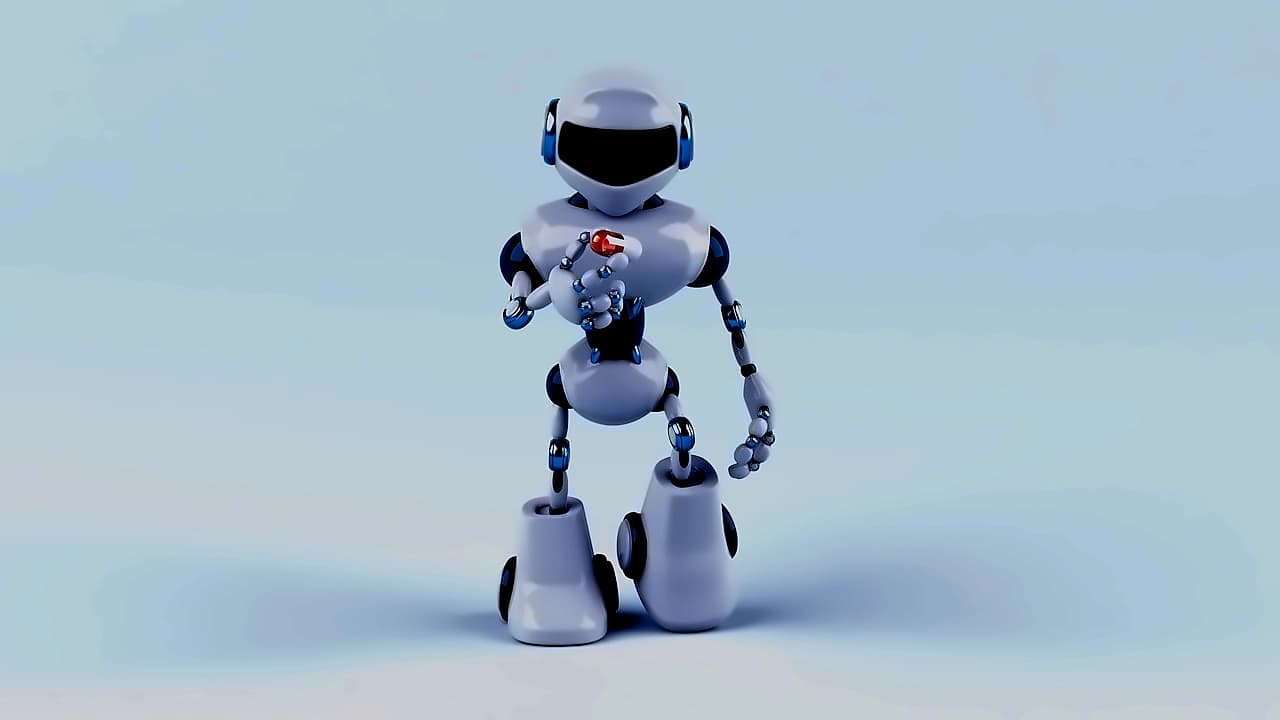
The ruling lands against a backdrop where Tesla CEO Elon Musk has been vocal about China's position as Tesla's toughest rival in the humanoid robot space. On a recent Tesla earnings call, Musk pointed to the company's Optimus humanoid robot as central to its future, predicting it would eventually dwarf every other product the company has made. But he was equally blunt about where the real competition sits, naming China as the country best positioned to challenge Tesla in the humanoid robot space, pointing to its manufacturing scale and rapidly advancing AI capabilities as reasons no other rival currently comes close. The commission argued that building this technology domestically would cut production costs, boost output and support broader efforts to reindustrialise American manufacturing, and said reliance on foreign-made robotic systems without proper oversight leaves both critical infrastructure and personal safety exposed. Any foreign-produced advanced robotic device will now be added to the FCC's Covered List by default, unless the Department of War specifically certifies that a particular device, or class of devices, doesn't pose such a threat.
The debate has gained momentum after Beijing-based Moonshot AI launched its Kimi K3 model earlier this month, which is seen as closing the gap with leading US AI systems developed by OpenAI and Anthropic. According to Business Standard, senior Trump administration officials have alleged that Moonshot used a technique called "distillation" to secretly train its model using American AI systems. Treasury Secretary Scott Bessent has also said sanctions remain an option for Chinese AI companies found guilty of intellectual property theft. Zuckerberg's comments come as the Trump administration considers action against some Chinese AI companies over these allegations, with the administration expected to announce a voluntary framework that would allow AI developers to submit their models for testing before public release. Morgan Stanley analysts forecast China's humanoid robot market could reach USD 15 billion by 2030, with analysts noting that "Chinese manufacturers have been scaling production and reducing costs faster than most overseas competitors."
Chairman Brendan Carr of the FCC emphasized that the agency will continue to do its part to secure America's critical supply chains, as reported by Reuters. The ban represents a significant expansion of US restrictions on Chinese technology imports, building on previous measures targeting drones and networking equipment. Separately, U.S. Treasury Secretary Scott Bessent has warned that Chinese companies could face financial sanctions or placement on the Commerce Department's Entity List, which restricts access to U.S. technology. The timing of these restrictions, coinciding with Zuckerberg's public stance on AI model access and Musk's warnings about Chinese robot competition, underscores the complex dynamics within the US technology sector regarding China engagement. The debate intensifies as the Trump administration is expected to introduce a voluntary framework allowing AI developers to submit new models for testing before public release, with several industry leaders backing stronger oversight measures. Anthropic CEO Dario Amodei has called for stronger regulation of advanced AI systems, while Google DeepMind chief Demis Hassabis has suggested creating an industry-led body similar to FINRA to develop common standards. The latest US ban could also potentially impact collaborations between US and Chinese technology companies, with Nvidia in June revealing a humanoid robot reference design which uses the humanoid chassis of Chinese robot maker Unitree.