Canadian Prime Minister Mark Carney has declared that trade negotiations with the United States will only resume when American officials stop posting memes and start being serious about negotiations. Speaking in Ottawa on Tuesday, Carney emphasized that 'When the Americans stop doing memes, stop throwing shade, stop trying to be tough and start being serious about having those discussions, we can have those discussions.' According to reports from The Times of India, this statement comes as Canada's retaliatory tariffs are set to take effect on September 8, covering more than 700 US products worth C$27.6 billion in trade. The suspension follows Canada's walkout on August 21, when the country called its negotiators home after Washington demanded Canadian industries be turned into subsidiaries of US firms.
The United States responded to Canada's withdrawal with 50% tariffs on Canadian goods worth approximately $20 billion, as reported by The Times of India. This represents about 5% of the $382 billion in goods Canada shipped south last year, according to US Census Bureau data. The White House invoked Section 338 of the Tariff Act of 1930, which allows a president to impose duties on countries discriminating against US exporters. Ryan Majerus, partner at King & Spalding and former US trade official, noted that 'This law is literally a blank canvas because it's never been litigated.' The choice was forced after the Supreme Court struck down Trump tariffs built on a 1977 emergency law in February.
The ongoing trade dispute has sparked a significant shift in consumer behavior, with Canadians prioritizing domestic products amid the tariff tensions. According to The Canadian Press, food and household goods companies are seeing a surge in demand as consumers actively seek Canadian-made alternatives. Kathleen Chapman, president of aVenco Ltd., reported that direct-to-consumer orders have jumped from about 20 in the last two years to hundreds in the week since the new U.S. tariffs came into effect. The company's U.S. business, which previously made up roughly 30 to 40% of sales, has stalled due to the tariff impact. Meanwhile, G.E. Barbour Inc., which generates about half its sales in the U.S. market, is increasingly focused on domestic markets and launching Barbours Market, an online store for domestic brands to create a Canadian-exclusive marketplace.
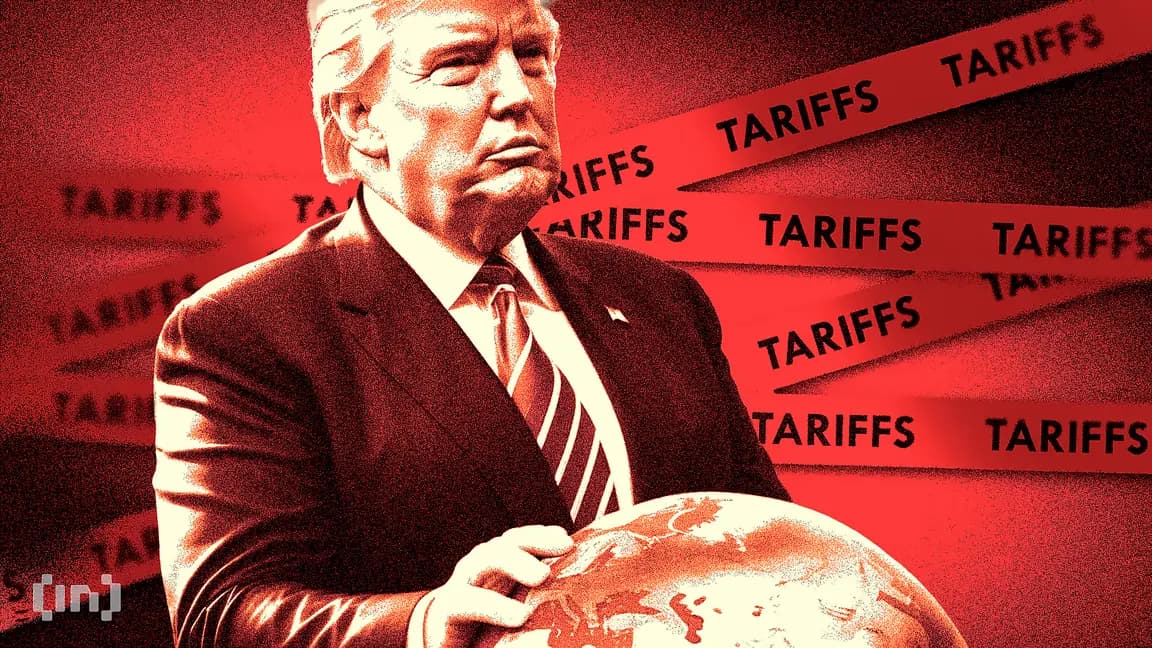
As Canada's retaliatory tariffs are set to take effect next week, many consumers are anxious about the impact of the surtaxes on affected items. The counter-tariffs are expected to raise prices on various US goods, prompting some consumers to consider purchasing affected items before the tariff increases take effect. This consumer behavior reflects the immediate economic impact of the trade dispute, with Canadian consumers facing higher costs on products ranging from food and household goods to industrial products covered under the retaliatory measures. The price increases are expected to be significant given the C$27.6 billion in affected trade value, representing a substantial portion of bilateral commerce between the two nations.