External Affairs Minister S Jaishankar emphasized the critical need for deeper India-ASEAN cooperation during his Wednesday remarks at the ASEAN Post-Ministerial Conference with India 2026. Addressing ministers and senior officials from ASEAN member states, Jaishankar stated that the conference theme 'Navigating Our Future Together' accurately reflects the realities facing countries today as they confront an increasingly volatile international environment. As per Business Standard, Jaishankar said the theme captures the sentiment that many feel today, noting that the world is extremely turbulent and it is increasingly evident that no single nation or even grouping can deal with it on its own. The minister urged India and ASEAN to look ahead and identify practical ways to deepen collaboration in areas that directly affect economic growth, regional security, and long-term development.
Jaishankar highlighted that supply chains face unprecedented stress in the current era of volatility and disruption, with recent global events demonstrating how vulnerable international trade networks can become during periods of conflict, political tensions, and economic uncertainty. According to Business Standard, he noted that the most visible stress is on supply chains, as economies become increasingly interconnected, disruptions in one region often have far-reaching consequences for manufacturing, trade, and consumer markets worldwide. The minister emphasized that 2026 is the ASEAN-India year of maritime cooperation, coinciding with the current global challenges facing international trade and security. As per ANI, Jaishankar specifically underlined the importance of maritime trade, stating that 'Because we are all so dependent on maritime trade, that too could become a source of anxiety. Observing international law, in that regard, is therefore vital.'
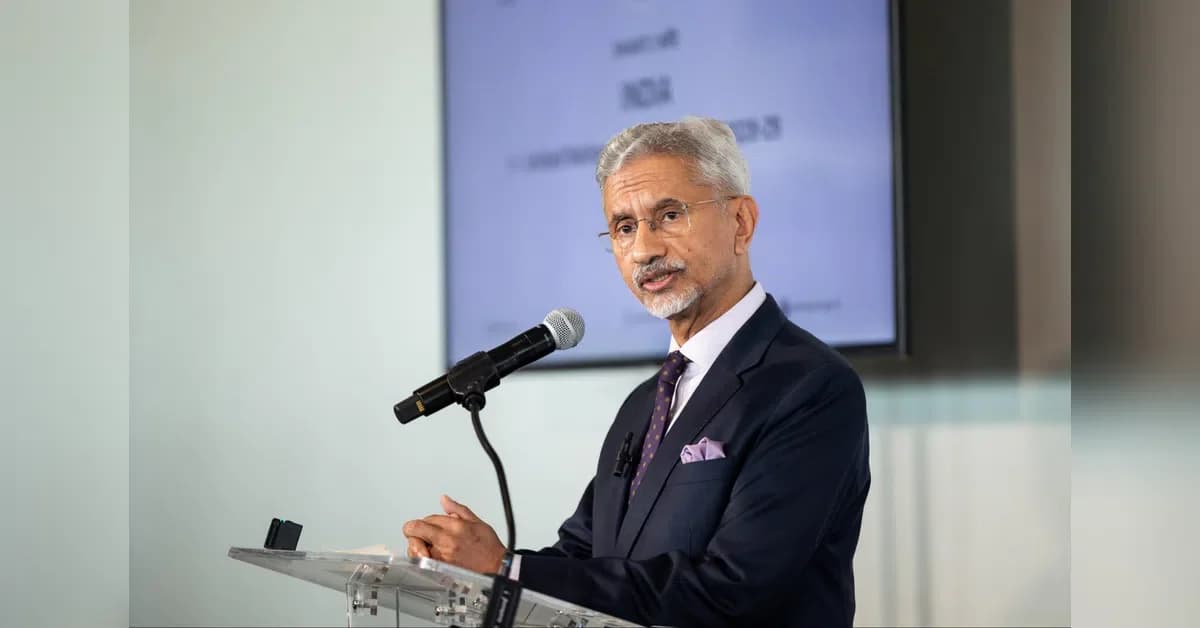
During his opening remarks at the ASEAN Post-Ministerial Conference with India 2026 in Manila, Jaishankar emphasized that energy, food and health security can 'no longer be taken for granted' in the current global environment. As per Business News, the minister stressed that both India and ASEAN must work together to address these critical security challenges that have become increasingly complex and interconnected. This emphasis on essential security priorities reflects the growing recognition that traditional security concerns have expanded beyond military and diplomatic domains to encompass economic and social dimensions that directly impact regional stability and development. As per ANI, Jaishankar noted that 'Energy, food, and health security can no longer be taken for granted. Both India and ASEAN are optimistic about their prospects.'
According to the report, Jaishankar outlined that the India-ASEAN agenda covers multiple sectors including trade and investment, mobility and talent, technology, digital and AI, green and sustainability, and connectivity. He stressed that "it is only through deeper cooperation that we can de-risk and diversify," emphasizing the mutual benefits of enhanced regional partnership. The minister acknowledged the Philippines' role as the country coordinator in further strengthening the India-ASEAN Comprehensive Strategic Partnership, noting that the partnership has steadily expanded over the years and now covers a broad range of strategic sectors that are increasingly shaping the future global economy. Strengthening cooperation across these sectors will enable both India and ASEAN to reduce risks associated with overdependence on limited markets while creating more diversified and resilient economic ecosystems.
As reported by Business Standard, Jaishankar emphasized that India and ASEAN, who account for 2 billion people, must navigate this world in transition together to ensure it remains safe and steady. He noted that both India and ASEAN have historically contributed to peace, prosperity, and development across the wider Indo-Pacific region and share a responsibility to help shape a stable regional order during a period of global transition. The minister expressed confidence that despite continuing geopolitical uncertainties, both India and ASEAN remain optimistic about their long-term prospects, with their eyes firmly fixed on opportunities while addressing challenges. Rather than allowing global challenges to dictate their future, he encouraged both sides to focus on opportunities that can drive inclusive growth and strengthen regional partnerships. As per ANI, the Philippines has assumed the ASEAN Chairship for 2026 under the theme "Navigating Our Future, Together," focusing on regional peace and security, economic integration, digital transformation, inclusive growth and people empowerment.
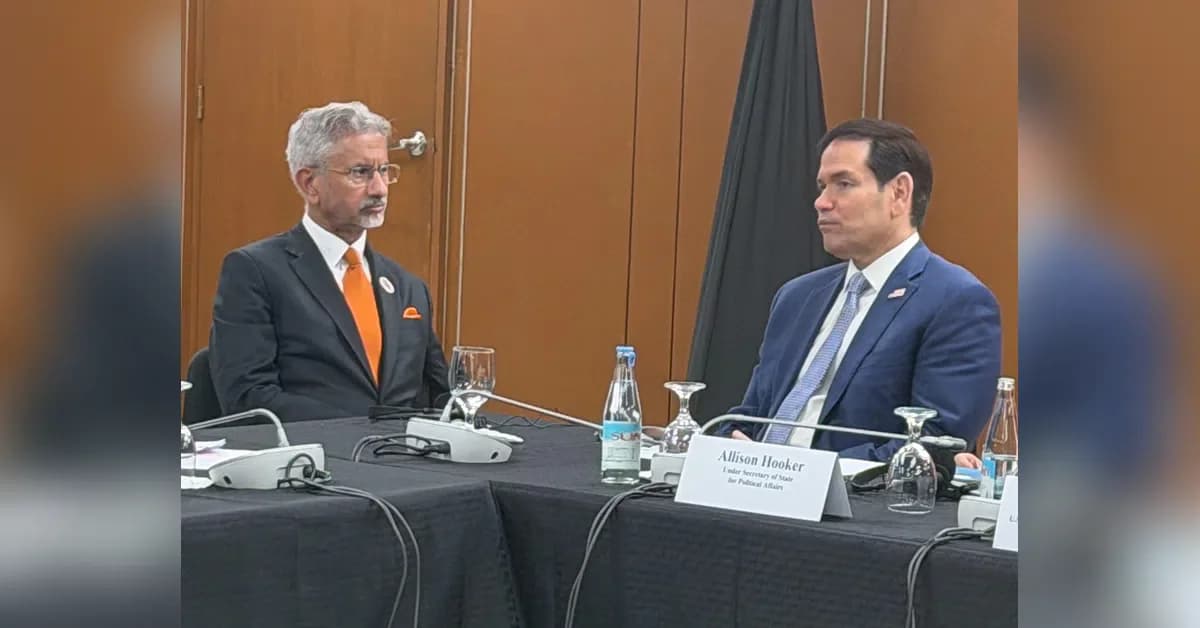
During his two-day visit to the Philippines, Jaishankar will participate in the Quad Foreign Ministers' Meeting alongside his counterparts from Australia, Japan, and the United States. According to Business Standard, the discussions are expected to focus on regional security, maritime cooperation, economic resilience, and strengthening the rules-based international order in the Indo-Pacific. The Quad meeting represents a key component of India's multilateral diplomatic engagement in the region, reinforcing India's growing engagement with like-minded partners while continuing to deepen its longstanding partnership with ASEAN. The meeting is part of India's broader strategy to strengthen its regional alliances and contribute to maintaining stability in the Indo-Pacific region. As per ANI, Jaishankar is also expected to participate in ASEAN-India, East Asia Summit (EAS) and ASEAN Regional Forum (ARF) meetings during his visit from July 22 to 23, and hold bilateral meetings with his counterparts. During his visit, Jaishankar held bilateral meetings with Australian Foreign Minister Penny Wong and Philippine Foreign Secretary Ma. Theresa P. Lazaro in Manila, discussing ways to deepen strategic ties, enhance cooperation across key sectors and review developments in the Indo-Pacific ahead of the Quad Foreign Ministers' Meeting.