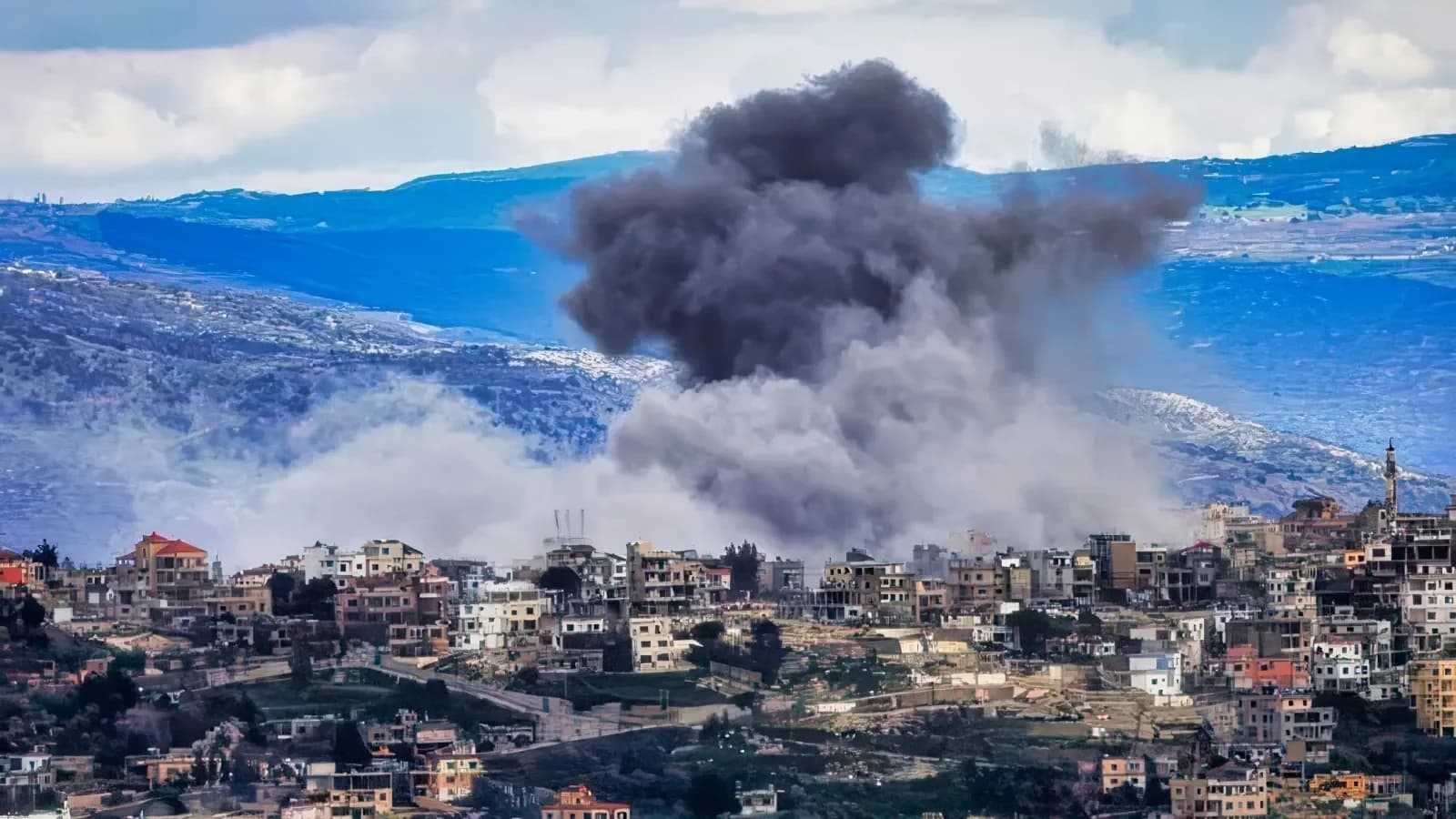
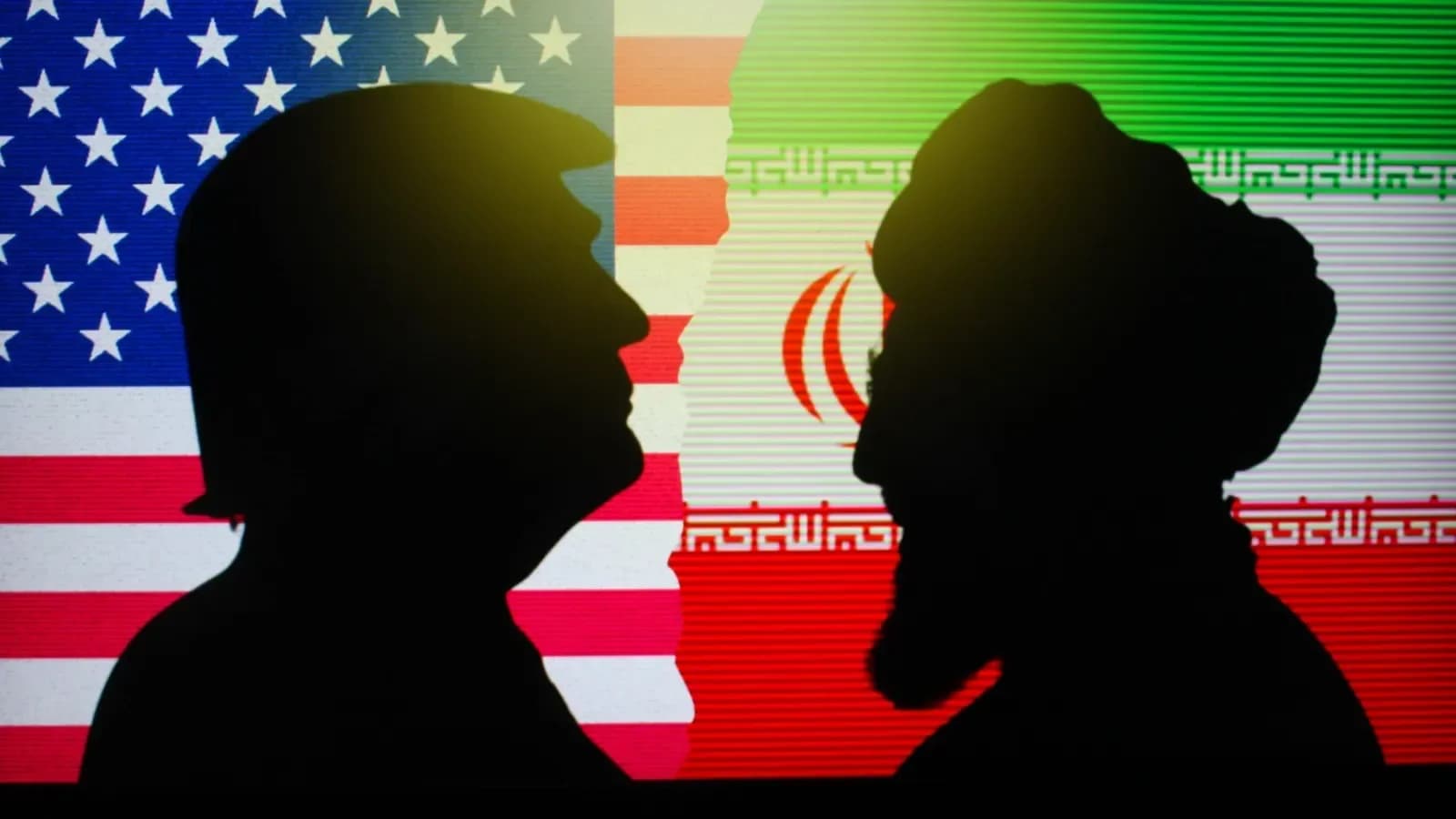
US President Donald Trump announced Friday that he will convene an emergency meeting in the White House Situation Room to make a final decision on a broad, multi-part peace deal with Iran. Taking to Truth Social, Trump outlined the rigid, unyielding terms under which the United States is prepared to permanently lift its unprecedented naval blockade, end hostilities, and orchestrate the highly complex excavation and destruction of Iran's deeply buried enriched nuclear materials. The President made it explicitly clear that any comprehensive settlement hinges on Tehran permanently relinquishing its nuclear weapons ambitions, alongside the immediate, unconditional opening of the world's most critical oil chokepoint. "Iran must agree that they will never have a Nuclear Weapon or Bomb," Trump declared, adding that "The Hormuz Strait must be immediately open, no tolls, for unrestricted shipping traffic, in both directions."
Pakistan's Deputy Prime Minister and Foreign Minister Mohammad Ishaq Dar arrived in Washington, D.C. on May 29 for high-level diplomatic discussions with US Secretary of State Marco Rubio. According to Pakistan's Foreign Ministry, Dar will meet with Rubio to review bilateral relations and exchange views on regional and global developments of mutual interest. The meeting represents a key component of Pakistan's elevated diplomatic stature following Dar's engagements at the UN Security Council in New York. During the visit, DPM/FM will meet with U.S. Secretary of State and National Security Advisor Marco Rubio to discuss matters of bilateral and regional significance, with Dar returning to Islamabad later the same day. US Secretary of State Marco Rubio met Pakistani Deputy Prime Minister and Foreign Minister Ishaq Dar and thanked him for the role Pakistan continues to play in advancing peace in the Middle East. Rubio said both leaders 'agreed upon the importance of working together to further strengthen a meaningful partnership for better security and more prosperity for our two nations.'
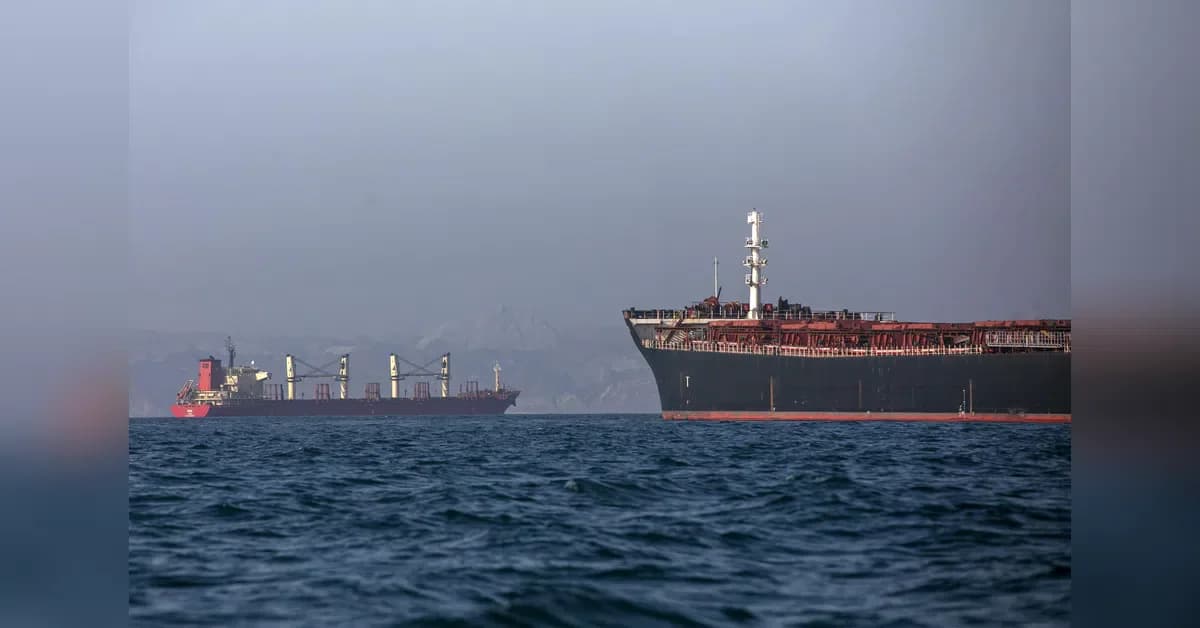
Traffic through the Strait of Hormuz appeared all but deserted on Thursday as commercial operators remain wary of renewed military escalation. According to reports from Business Standard, no commercial vessels were spotted transiting the waterway Thursday morning as tensions spiked following a second round of US strikes against Iranian military targets this week. The halt follows a sluggish Wednesday, which saw just six two-way crossings, including a Turkish Suezmax entering to load cargo in the Persian Gulf, according to ship-tracking data compiled by Bloomberg. Signalling an imminent end to the maritime standoff, Trump announced that commercial and international ships previously trapped by the U.S. Navy's defensive perimeter are free to depart. This development could reshape West Asia's security landscape as the naval blockade that has disrupted global oil shipments appears to be ending.
The US Treasury Department has issued a stern warning to global shipping and finance firms, stating that cooperation with Iran's newly designated Persian Gulf Strait Authority could invite US sanctions. According to the latest Treasury statement, anyone cooperating with the so-called strait authority may be providing support or services to Iran's Islamic Revolutionary Guard Corps (IRGC), which Washington designates as a Foreign Terrorist Organization. The Treasury accused the Persian Gulf Strait Authority (PGSA) of spearheading an Iranian-controlled scheme aimed at extracting illegitimate tolls from commercial vessels transiting the Strait of Hormuz, one of the world's most critical oil shipping chokepoints. Treasury Secretary Scott Bessent announced that the Treasury had sanctioned Iran's Persian Gulf Strait Authority, stating that "Iran's PGSA is a joke, and today Treasury has sanctioned it." The department warned that any person or entity cooperating with the authority — including through toll payments made via fiat currency, digital assets, offsets, informal swaps, or other in-kind payments — may be exposed to US sanctions risk.
Iran claimed that several ships attempted unauthorized entry into the Persian Gulf last night, some of which turned back, while two were stopped. As reported by Business Standard, Tehran also said 26 ships crossed the strait in the past day, which could include smaller, coastal vessels. The assertion remains unverified, with heavy signal jamming and disabled navigation systems obscuring actual transits. Widespread interference with signals on the industry's Automatic Identification System continues to cloud the picture, making independent verification of ship traffic difficult.
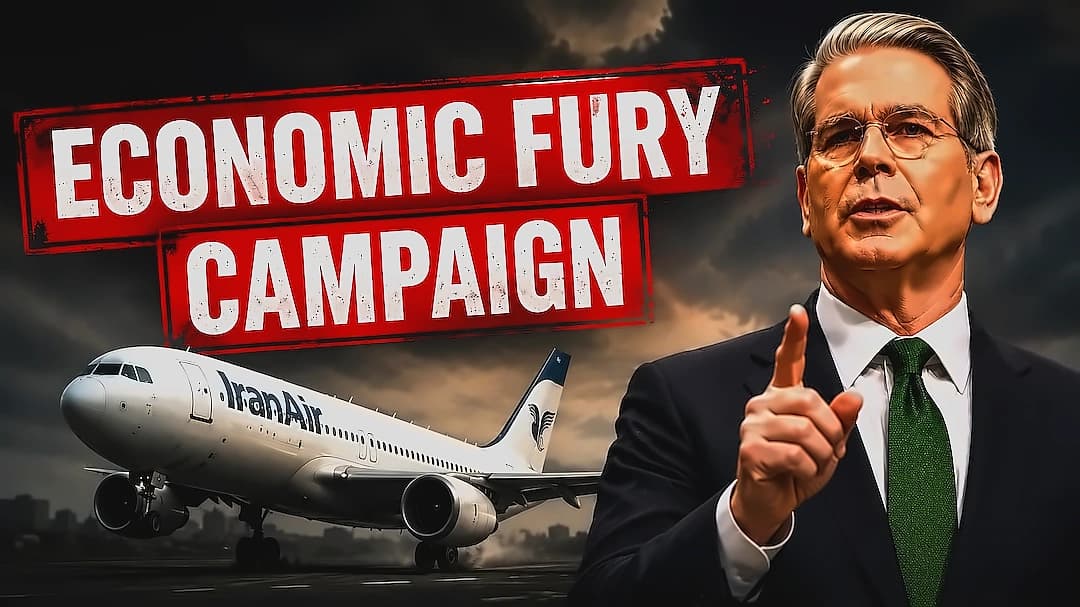
President Donald Trump said no single nation would be allowed to control the Strait of Hormuz, underscoring one of the central obstacles to securing a lasting agreement with Iran. According to Business Standard, the comments came after American forces intercepted Iranian drones aimed at a commercial vessel and destroyed a nearby launch unit. Treasury Secretary Scott Bessent announced that the United States will shut down Iranian airlines' access to landing spots, refueling, and ticket sales, as reported by Bloomberg. Bessent laid out a cascade of punitive measures targeting Iran's aviation sector as part of Washington's "Economic Fury" campaign against Tehran. The Treasury Department said it would continue targeting what it described as sanctions evasion networks and any foreign companies supporting Iranian commerce, including airlines and maritime intermediaries.
Bessent further stated that the US Naval Blockade had sharply reduced the amount of Iranian crude oil being transported by sea, according to his latest statements. He warned that Washington is preparing additional restrictions targeting Iranian airlines, including limiting their access to international landing rights, aircraft refueling services, and ticket sales. Bessent claimed that Iranian security forces are facing payment problems, police officers are failing to report for duty, and operations on Kharg Island — Iran's main oil export terminal — have been disrupted. "The Iranian economy and currency are in free fall," Bessent wrote, adding that "only a satisfactory outcome in negotiations will end the downward spiral." The Treasury Department formally designated the PGSA under Executive Order 13224, a counterterrorism authority used by Washington to sanction entities accused of supporting terrorist organizations.