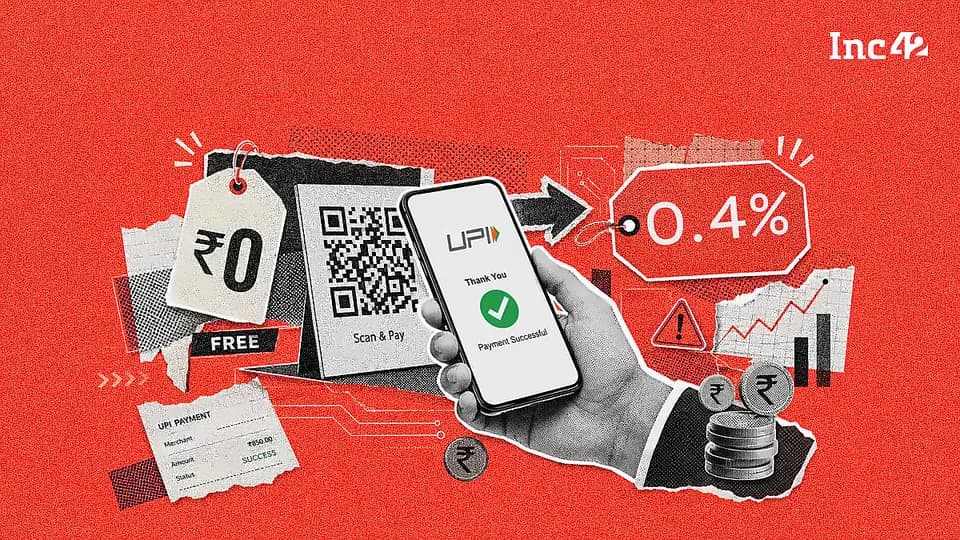
The UPI Merchant Discount Rate (MDR) framework was officially announced on Tuesday, September 15, with implementation effective from October 15, 2026. According to the latest NPCI announcement, the baseline 0.4% MDR will apply to transactions above ₹2,000, with a cap of ₹300 for high-value purchases exceeding ₹75,000. This represents a significant reduction from traditional card-based transaction fees, which typically range from 1.5% to 2.5% per transaction, with debit card MDRs capped at up to 0.90%. The government has advised banks to ensure merchants do not pass on additional MDR costs to consumers, with UPI application providers expressly prohibited from imposing platform fees or hidden charges. As per NDTV reports, the fee is part of the payment ecosystem and is paid by eligible merchants, not consumers, with the cost distributed among relevant participants according to the framework. However, the new MDR framework represents a nuanced tiered system that safeguards small vendors, shields essential services with flat-rate caps, and establishes maximum cost limits for larger commercial transactions.
A significant gap in the new UPI MDR framework is the absence of a daily transaction limit for repeated payments to the same merchant. According to The Times of India reports, NPCI reportedly does not currently plan to introduce separate daily limits on UPI payments made to the same merchant. This means merchants could potentially avoid MDR charges by breaking up larger payments into multiple transactions of ₹2,000 or less within the same day. For example, a merchant receiving a ₹6,000 payment could ask customers to make three separate payments of ₹2,000 each, since each transaction would fall within the free limit. As one NPCI executive told The Times of India, "If the customer is willing to pay the merchant three times and both sides agree, it is between them. There is not much that can be done at the transaction level." Industry executives noted that such workarounds could become significant over time, though NPCI does not expect them to become widespread or continue as a significant practice long-term.
Small merchants, including street vendors, receiving up to ₹1 lakh per month through UPI QR codes into their personal bank accounts will remain exempt from MDR charges. According to NPCI, these merchants are part of a special category called Person-to-Person-Merchant (P2PM) and are not required to replace or re-register their QR codes under the new MDR framework. However, merchants with inward credit of aggregate UPI payments of over ₹1 lakh per month, consecutively for 3 months, will be moved to the regular merchant category (P2M) that attracts the 0.4% MDR charge. Essential services including railways, telecommunications, insurance, fuel, utility bills, educational transactions, and agricultural inputs will attract a flat MDR of ₹5 per transaction instead of the 0.4% levy. Payments relating to mutual funds, securities, stockbrokers, and dealers will attract an MDR of 0.02%, capped at ₹300 per transaction, while monthly utility bills, OTT subscriptions, and recurring investments paid through automated recurring standing instructions (UPI Mandates or AutoPay) won't face MDR charges. The government estimates that approximately 96% of person-to-merchant transactions will remain unaffected by the new MDR framework.
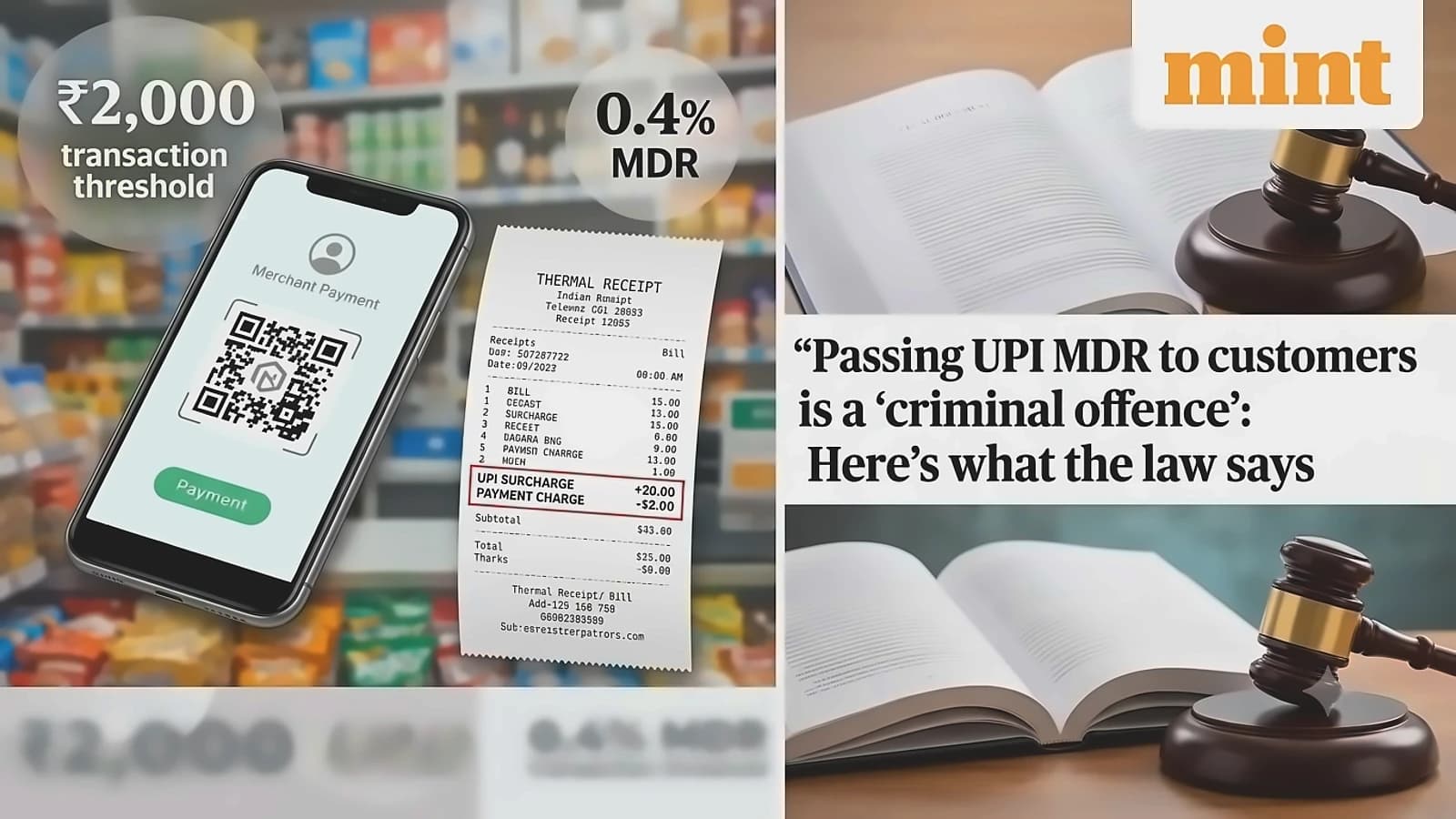
Several potential workarounds could emerge under the new MDR framework, though NPCI expects some merchants to explore these strategies. According to The Times of India reports, merchants could potentially distribute receipts across different bank accounts, QR codes, or payment service providers to keep each one below the prescribed threshold. Another approach would be directing business payments to personal UPI IDs, since person-to-person transactions remain free regardless of amount. However, treating commercial receipts as personal transfers would effectively present them as personal transfers rather than legitimate exemptions. Banks or payment providers could subsequently reclassify such accounts. Additionally, businesses could potentially gain from being incorrectly assigned to merchant categories that attract flat ₹5 charges instead of the 0.4% rate. Industry executives noted that treating ordinary sales as recurring payments merely to claim exemptions would constitute misclassification. More than 95% of merchant-payment volumes will continue to remain free under the framework, but transactions above ₹2,000 represent around two-thirds of total merchant payment value, meaning widespread attempts to avoid charges could have meaningful impact on collections.
Consumers should compare final invoices with advertised prices and retain copies of price and payment receipts if they notice surcharges. According to Siddharth Maurya, Managing Director of Vibhvangal Anukulkara, cited in Mint reports, customers should ensure selling price, taxes, and final amounts on invoices agree with listed prices. Raghunandan Saraf, Founder and CEO of Saraf Furniture, noted that from a responsible retail standpoint, it is unethical to bury payment costs in opaque or hidden charges. If customers find additional charges, they should request correct invoices with breakdowns and explanations, and retain UPI transaction records and photos of displayed prices. The NPCI emphasized that UPI will continue to remain completely free for all person-to-person transactions, irrespective of the amount transferred, with over 24,000 crore UPI transactions worth ₹314 lakh crore made in 2025-26, though transactions above ₹2,000 accounted for only 4% of volume but two-thirds of value. This means that payments made to individuals, family, friends, and personal contacts will remain completely free for both sender and receiver. The real test will come after implementation: whether the new revenue model strengthens the financial sustainability of UPI without discouraging merchants or making digital payments more expensive for consumers.