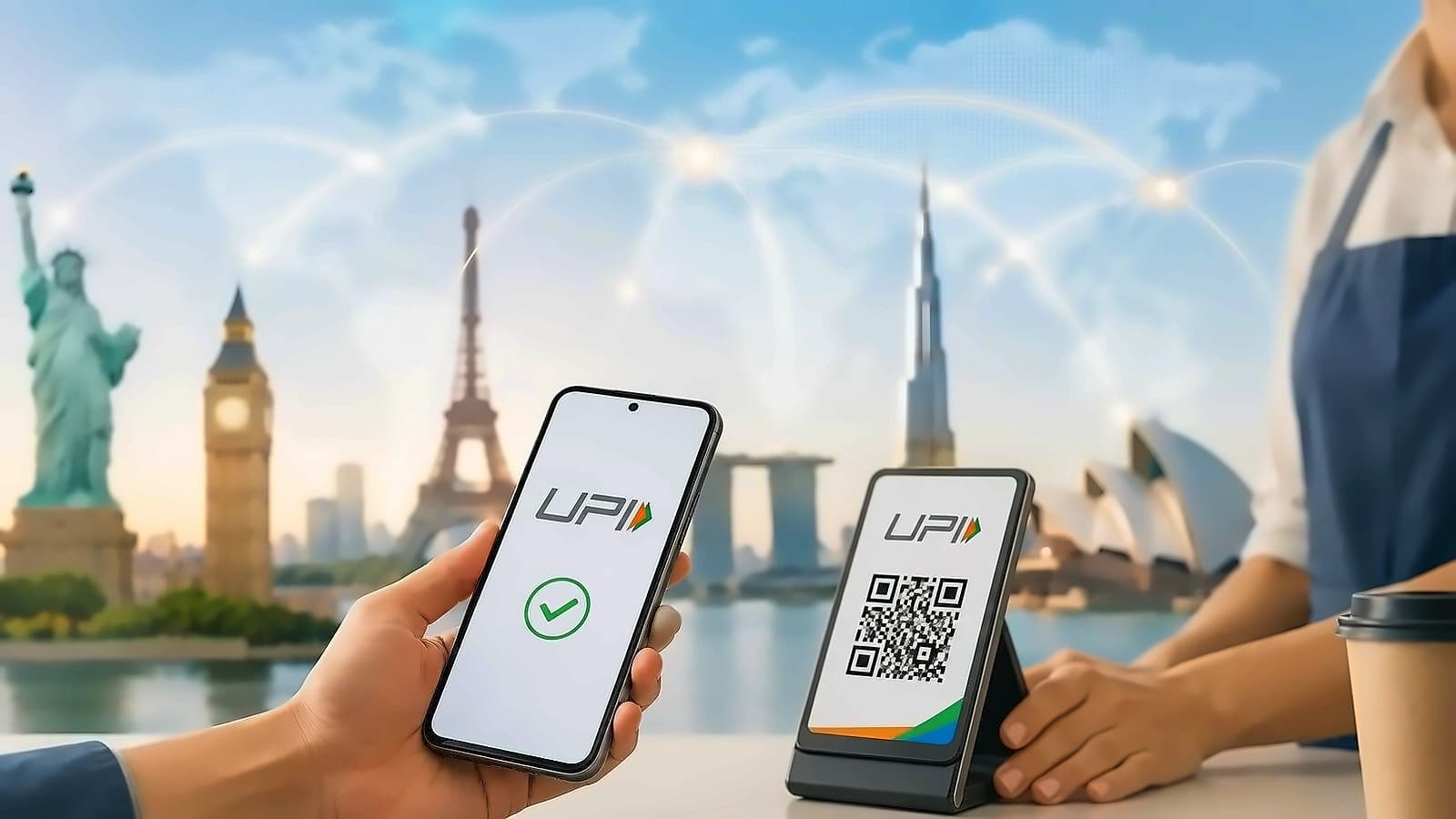
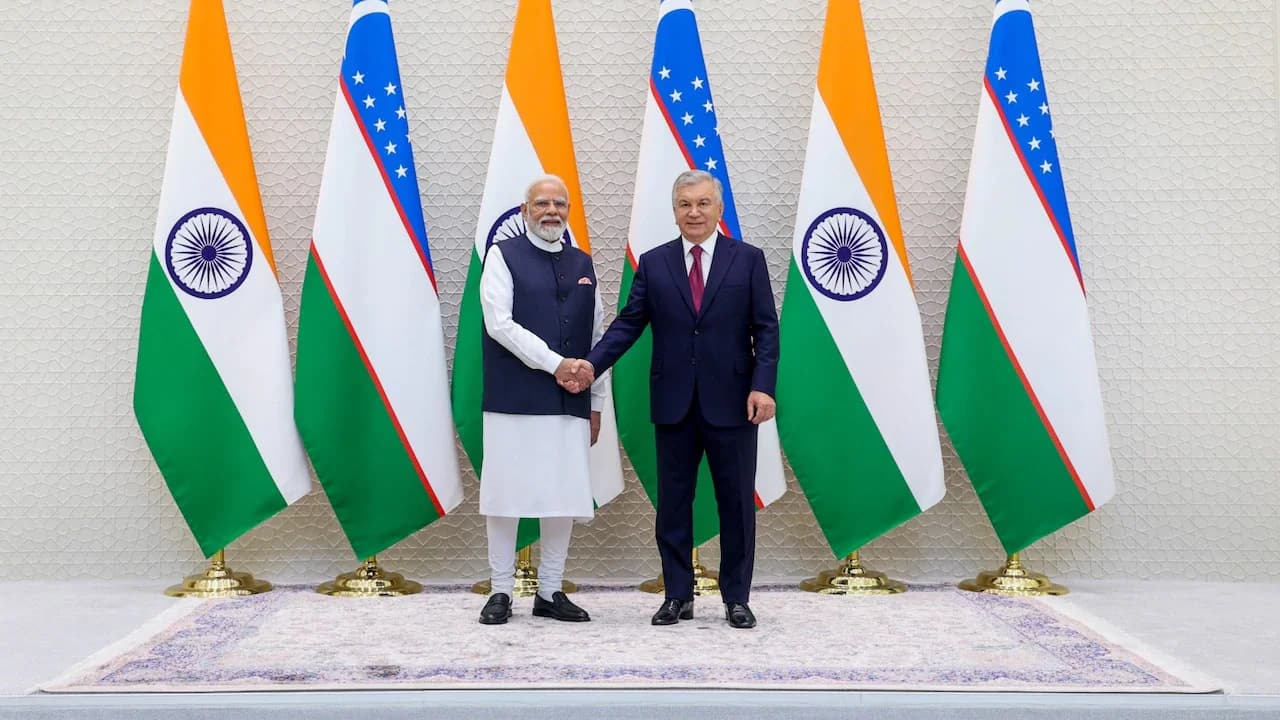
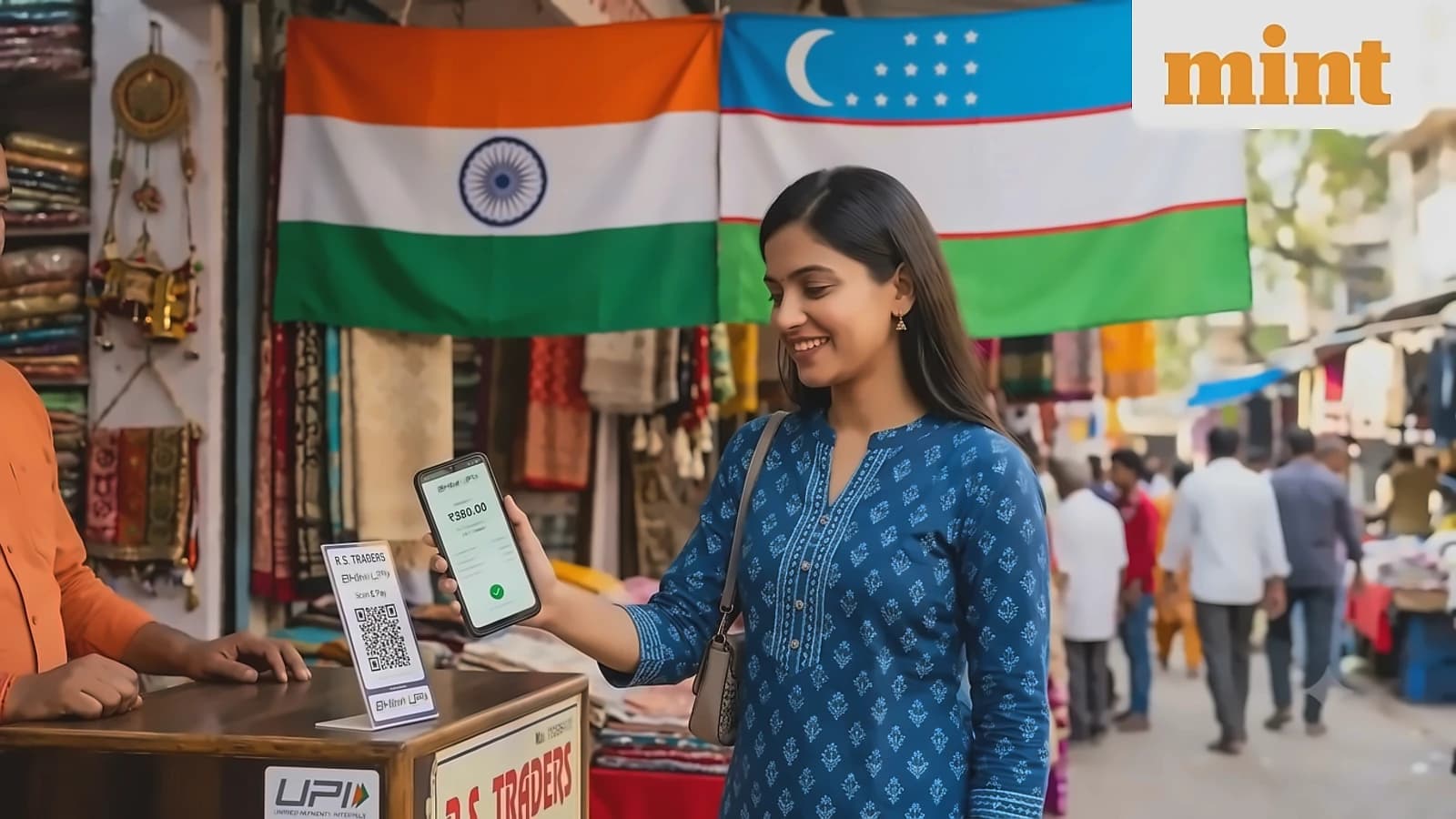
During Prime Minister Narendra Modi's August 29-30 visit to Uzbekistan, NPCI International Payments Ltd and Uzbekistan's National Interbank Processing Centre signed a commercial agreement that will allow Indian UPI apps to scan Uzbekistan's UZQR national QR codes for merchant payments. According to the latest reports, this arrangement could make payments easier for Indian travelers and strengthen India's digital public infrastructure footprint overseas. The implementation will enable Indian UPI apps to scan national QR codes (UZQR) for merchant payments in the Central Asian nation, facilitating digital transactions between the two countries. The digital payments integration represents a significant step in expanding India's digital infrastructure internationally and enhancing economic cooperation.
India and Uzbekistan have elevated their bilateral relationship to a Comprehensive Strategic Partnership, signalling a deeper and more structured engagement between the two countries. As reported by Business Standard, the partnership encompasses 11 agreements covering trade, investment, infrastructure, critical minerals, mining, defence and security, agriculture, pharmaceuticals, health, information technology, digital public infrastructure, culture, tourism, and education. The framework provides a broader institutional mechanism for long-term cooperation and creates new avenues for economic engagement between the two nations. Bilateral trade currently stands at more than $1 billion, with the partnership targeting $5 billion in annual trade by 2030. The new Comprehensive Strategic Partnership provides a broader framework for India to expand its economic and strategic presence in Central Asia, with mining and mineral cooperation becoming particularly significant as India seeks reliable supply chains for critical resources.
During the delegation-level talks in Tashkent on August 30, 2026, Uzbek President Shavkat Mirziyoyev announced 30-day visa-free entry for Indian passport holders, allowing Indian citizens to visit the Central Asian country without obtaining an advance e-visa or tourist visa. As reported by NDTV, this initiative is intended to boost tourism, strengthen people-to-people ties and facilitate business exchanges as India and Uzbekistan expand their economic partnership. President Mirziyoyev described India as a reliable strategic partner and highlighted that bilateral trade crossed $1 billion for the first time last year. The Uzbek president also emphasized the expansion of business links, noting that the number of joint ventures between the two countries has increased sevenfold in recent years. For Indian tourists, Uzbekistan offers historic landmarks including Registan Square in Samarkand, Bibi-Khanum Mosque, Shahi Zinda, and Gur-e-Amir Mausoleum, along with traditional experiences such as plov, manti, shashlik, and yurt stays.
During the bilateral talks between Prime Minister Narendra Modi and Uzbekistan President Shavkat Mirziyoyev, the two countries agreed to establish a long-term arrangement for uranium supply following discussions on expanding cooperation in clean energy. As reported by the Ministry of External Affairs, New Delhi has been looking at procuring Uranium from Uzbekistan to produce nuclear energy for civilian purposes. "We will make a long-term arrangement for the supply of uranium," Prime Minister Modi said during the talks. Uzbekistan, which possesses significant uranium resources and is one of the world's top five uranium suppliers, is expected to become an important partner in India's efforts to diversify its nuclear fuel supplies. This development represents a significant advancement in India's nuclear energy strategy and strengthens the bilateral energy cooperation framework between the two nations. The joint statement revealed that both sides will explore cooperation in geology, mining, nuclear energy, industrial cooperation, and critical and strategic minerals, including projects for the processing of mineral resources, production of value-added products and recycling initiatives.
Modi announced that New Delhi would host the India-Central Asia Summit in 2027, marking a significant milestone in India's regional engagement strategy. According to a joint statement issued after the Modi-Mirziyoyev meeting, the two leaders called for strengthening engagement within the Central Asia-India format at the level of heads of state and other levels. The inaugural India-Central Asia Summit was held virtually on January 27, 2022, after New Delhi had to cancel plans to host the leaders of the five Central Asian Republics as guests at the Republic Day parade due to apprehensions of another Covid-19 spike. Modi's current visit to the Central Asian Republics is expected to strengthen the perception that New Delhi wishes to remain deeply engaged with Central Asia. India has sought to revive the effort in the last couple of years with External Affairs Minister S Jaishankar hosting the foreign ministers from the region at the India-Central Asia Dialogue of Foreign Ministers in June 2025, where the Prime Minister met the ministers. Modi landed in Bishkek, the capital of the Kyrgyz Republic, on Sunday evening to attend the Shanghai Cooperation Organisation Summit, where he will meet the rest of the Central Asian leadership.