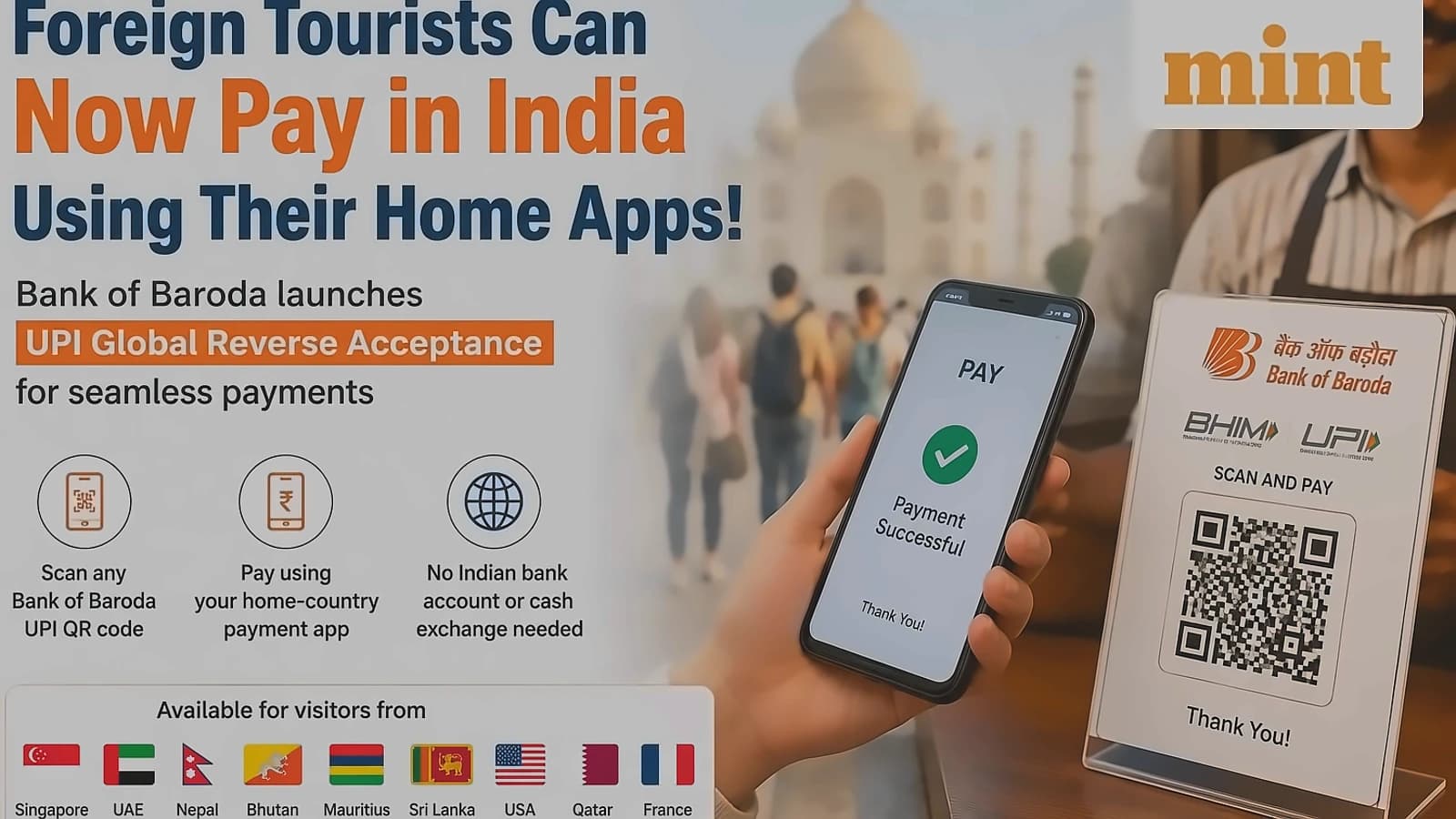
The Unified Payment Interface (UPI) system is now operational in 13 foreign countries, providing Indian travelers with a familiar payment solution abroad. According to reports from Mint, the system is available in Bhutan, Singapore, UAE, France, Mauritius, Sri Lanka, Nepal, Qatar, Greece, Cambodia, and Uzbekistan. As reported by The Economic Times, Kazakhstan is among 11 countries identified for potential cross-border QR-payment cooperation, with India offering a blueprint for expanding domestic payment infrastructure internationally. The expansion benefits Indian tourists, students, and business travelers by allowing them to use homegrown mobile applications for payments instead of relying on international debit or credit cards.
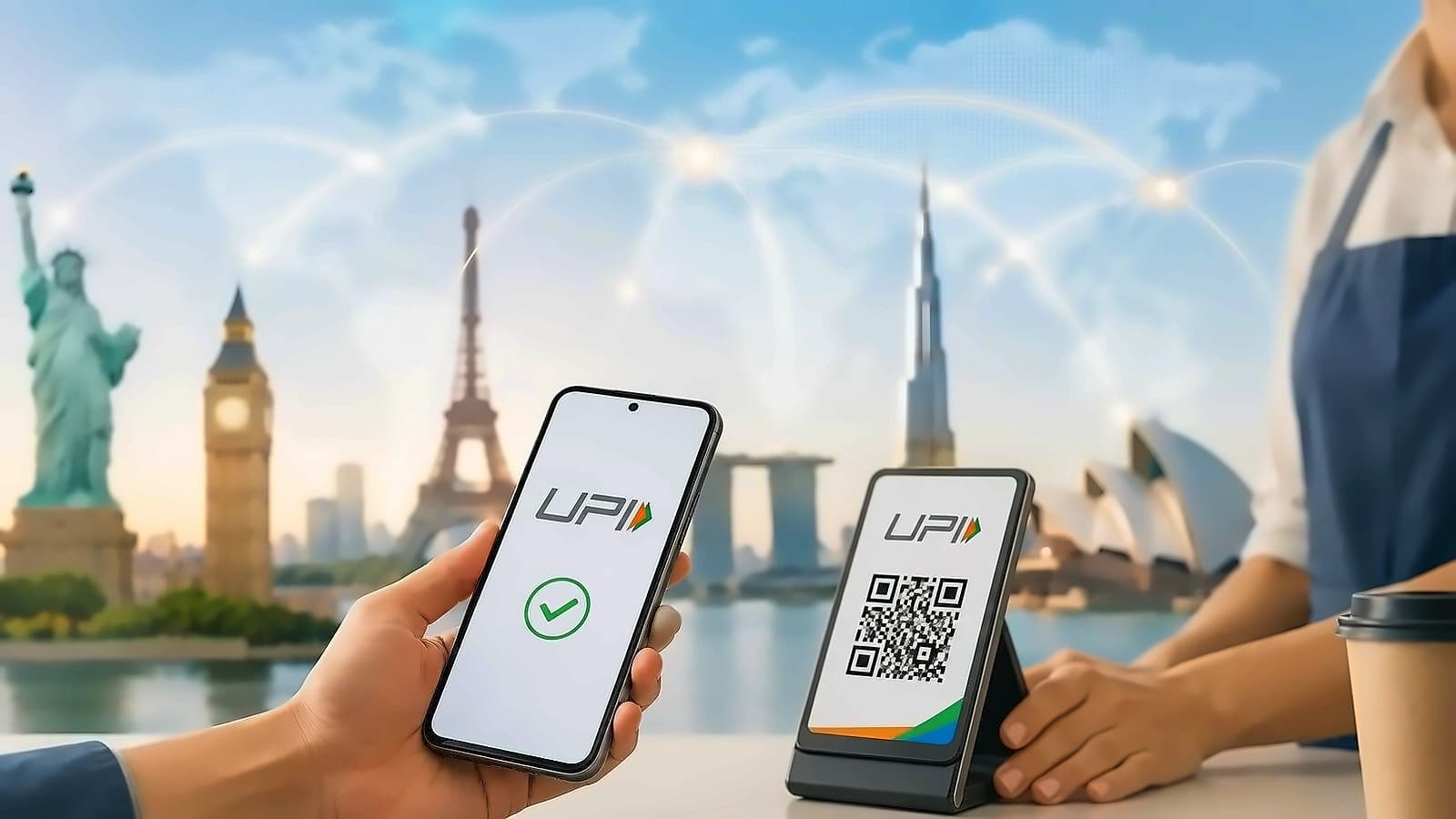
As reported by Mint, the UPI rollout began with Bhutan in July 2021 for Person-to-Merchant (P2M) transactions through RMA Bhutan. Singapore followed in August 2021 with multiple partners including NETS Singapore, HitPay Payment Solutions, and LiquidPay Group. UAE became available in April 2022 through Mashreq Bank, Network International, and Magnati-Sole Proprietorship LLC. The most recent additions include Greece (May 2026) with Eurobank S.A., Nepal (June 2026) with Nepal Clearing House Limited, and Cambodia (June 2026) with Acleda Bank PLC. According to The Economic Times, NPCI International currently works with 11 countries on international merchant-payment acceptance, with Kazakhstan being a key target for cross-border QR payment cooperation.
According to The Economic Times, UPI Global Acceptance allows Indian users to make QR-based payments at participating international merchants directly from UPI-enabled applications. Users can scan a participating local QR code and review the transaction amount, exchange rate, and applicable fees before completing the payment. As reported by The Economic Times, Kazakhstan launched its national Interbank Mobile-Payment System on July 19, allowing customers of participating banks to make real-time interbank transfers and payments using phone numbers and a single QR code. The system enables merchants to accept payments from customers of various participating banks without installing new equipment, providing a foundation for cross-border expansion.
According to Mint, UPI offers significant cost advantages over traditional payment methods. The merchant discount rate (MDR) for UPI is set at 0.4% for transactions above ₹2,000, capped at ₹300 for high-value purchases. This compares favorably to standard credit card MDRs of 1.5-2.5% per transaction and debit card MDRs capped at 0.90%. The system also eliminates forex processing charges associated with international cards, providing substantial savings for travelers. As reported by The Economic Times, Kazakhstan's non-cash transactions accounted for 17.6 trillion tenge (US$39.3 billion) in July, covering 1.3 billion transactions, with internet and mobile banking comprising 77.6% of the number and 89.6% of the value of non-cash payments.
According to The Economic Times, NPCI International's activities extend beyond merchant payments to include cross-border person-to-person remittances and technology provision to countries developing domestic payment infrastructure. As reported by The Economic Times, some countries have adopted elements of India's technology to develop sovereign instant-payment or card systems rather than building such infrastructure entirely from scratch. Kazakhstan's growing domestic use of digital payments provides a substantial base for cross-border expansion, with QR-code payments accounting for 2.34 billion transactions worth 11.8 trillion tenge (US$26.3 billion) in January-July. The potential use cases extend beyond tourism, with cross-border QR payments facilitating transactions for travelers, small businesses, and merchants while supporting broader economic and financial links between partner countries.